From the file. Written for the paper dated April 1985. Opened in the public stacks July 14, 2026.
As the debate over healthcare reform heats up, the issue of our aging population emerges as a focal point, revealing the excesses and shortcomings of both left and right ideologies.

The aging population in America presents a pressing challenge that both political parties are grappling with, albeit through vastly different lenses. On one hand, the left pushes for an expansive, government-led healthcare system that promises universal coverage, ostensibly aiming to ensure that senior citizens do not face financial ruin in their twilight years. On the other hand, the right advocates for market-driven solutions, emphasizing personal responsibility and the notion that individuals should make their own healthcare choices, which they argue will foster efficiency and innovation.
The Left's Approach: Universal Coverage
The left's approach, championed by various advocacy groups and progressive politicians, is characterized by a push for universal healthcare. Proponents argue that a robust government plan will alleviate the burdens faced by seniors, who often find themselves navigating a complex maze of insurance options and healthcare providers. They claim that the current system is riddled with inefficiencies and inequities, which disproportionately affect the elderly.
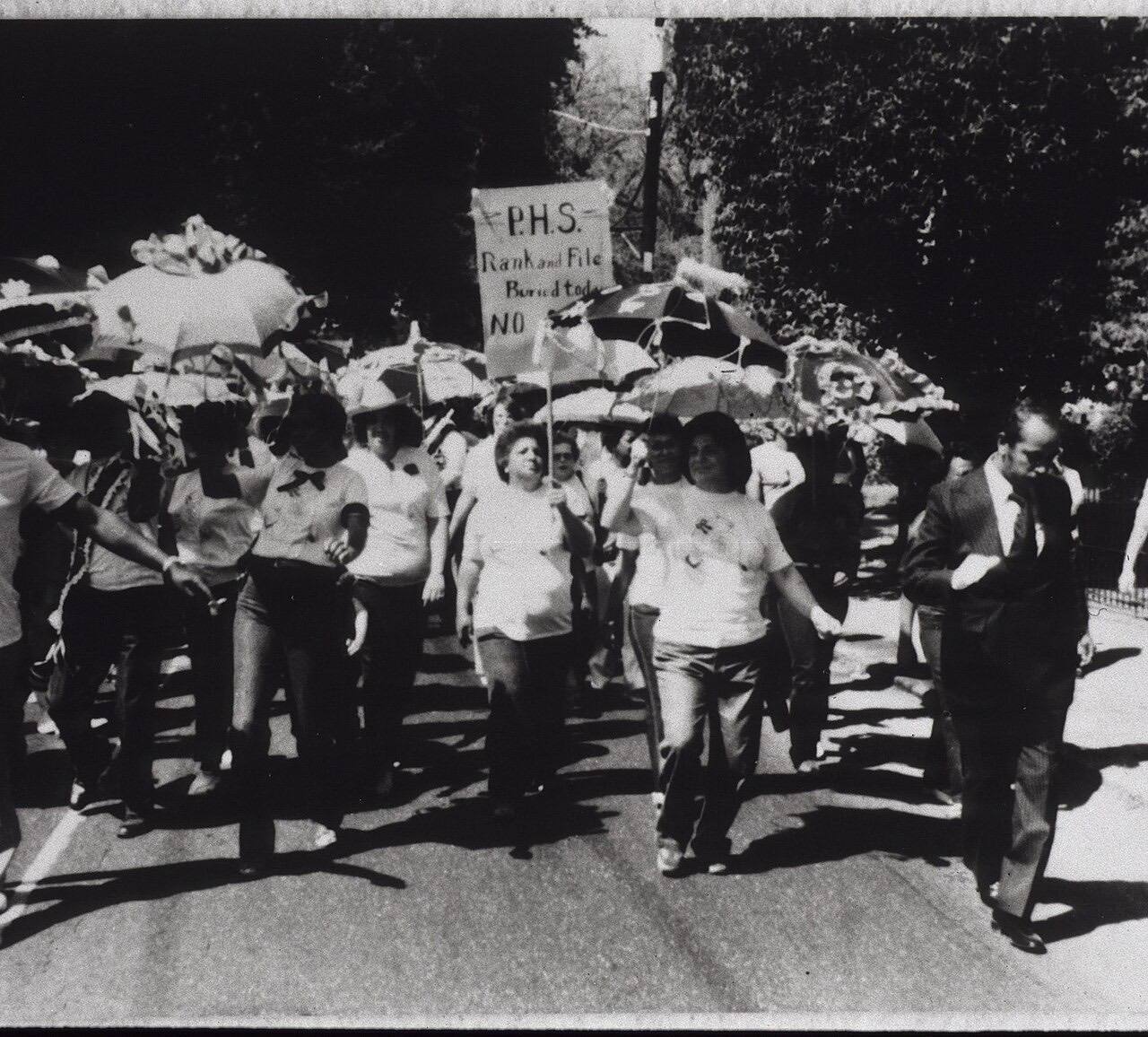
"Seniors deserve better than to be left at the mercy of a fragmented healthcare system."
However, critics of this approach argue that a single-payer system could result in long wait times and reduced quality of care as the government takes on a more significant role in healthcare provision. There are also concerns about the financial sustainability of such a system, particularly given the increasing number of retirees who will rely on it in the coming decades. The potential for bureaucratic inefficiencies raises alarms among those who value the flexibility and dynamism of the current market-driven system.
The Right's Vision: Market Solutions
The right’s response to the aging population emphasizes personal responsibility and market solutions. Supporters advocate for health savings accounts, tax incentives, and a reduction in regulations to encourage competition among healthcare providers, which they argue will lead to better services at lower costs. They contend that empowering individuals to manage their own healthcare will foster innovation and improvements in medical technology.
"Government intervention often stifles innovation and restricts choices for seniors who know their own needs best."
Nevertheless, this ideology is not without its pitfalls. Critics point out that market-driven solutions often neglect the most vulnerable populations, particularly those who are unable to afford high insurance premiums or face chronic illnesses. The argument that competition will resolve all issues seems overly optimistic in an environment where profit margins often take precedence over patient care. As the right pushes for a free-market approach, they must grapple with the reality that many seniors may be left behind in such a system.
Finding Common Ground
Despite the stark differences in ideology, there exists an opportunity for both sides to collaborate and find common ground. Both left and right must recognize that the aging population will require innovative solutions that blend the best of both worlds. Comprehensive reforms could include creating incentives for preventive care, enhancing support for home healthcare options, and improving access to affordable medications.
Furthermore, as members of both parties increasingly acknowledge, the impending demographic shift will require a long-term vision that transcends electoral cycles. Immediate political gains should not overshadow the need for sustainable, effective healthcare solutions that benefit all citizens, particularly our seniors who have contributed so much to society.
The Path Forward
As the debate continues, it is imperative that both sides remain open to dialogue and compromise. The excesses of ideology on either end of the spectrum can hinder progress and leave our most vulnerable citizens at risk. A coherent strategy that incorporates diverse perspectives will be crucial in addressing the challenges posed by an aging population.
In conclusion, the conversation surrounding healthcare reform for the aging population serves as a microcosm for the broader political landscape. It is a time for both left and right to reflect on their ideologies and recognize the need for balanced, pragmatic solutions that prioritize the health and well-being of our seniors. If the two sides can come together, they may not only enhance the lives of millions but also set a precedent for future cooperation on other critical issues. The time for action is now.
✦ ✦ ✦