From the file. Written for the paper dated March 1985. Opened in the public stacks July 14, 2026.
In an age where ideologies clash with increasing ferocity, the pursuit of certainty has become a double-edged sword, leaving room for neither nuance nor discourse.
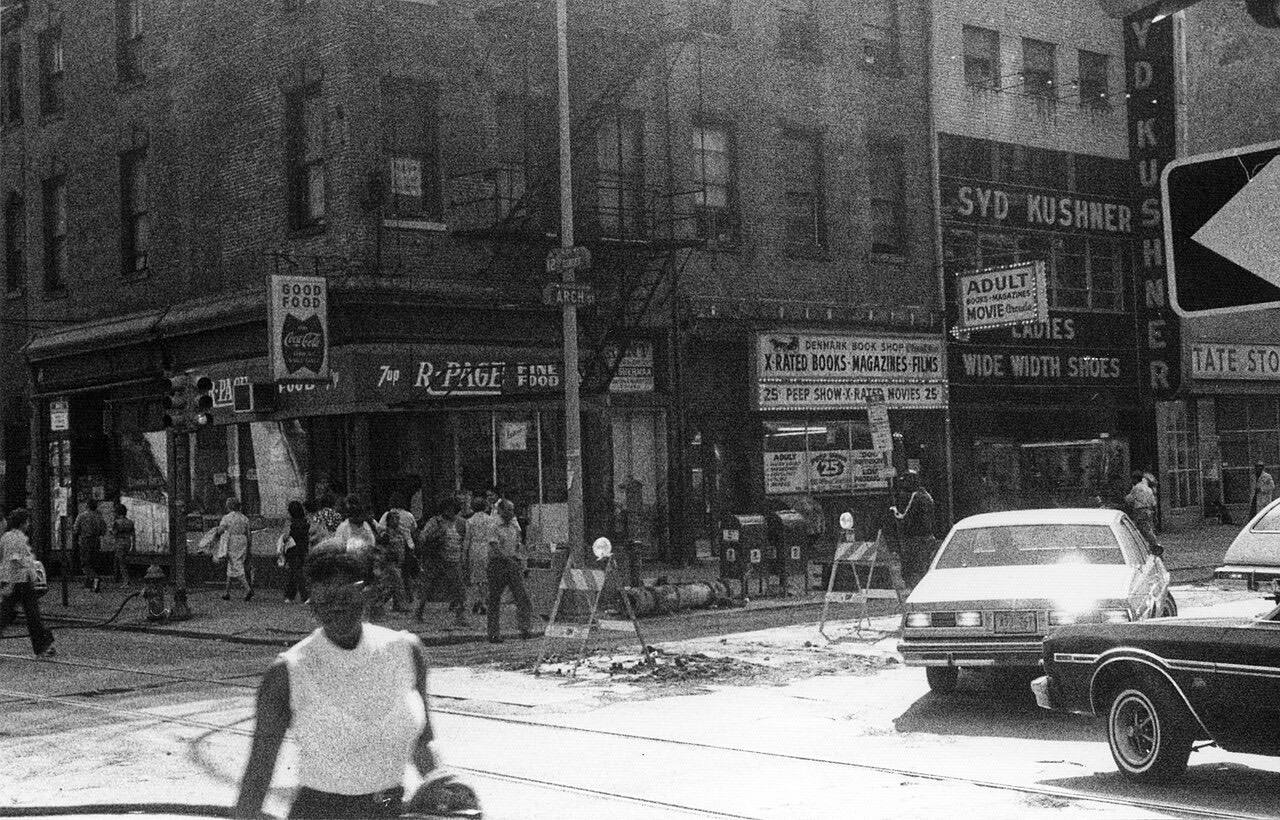
The Left's Quest for Certainty
The left, often championing the cause of social justice and equality, seems to have embraced a form of certainty that, while noble in intent, risks stifling genuine debate. The mantra of progressivism has transformed into an unyielding dogma that can marginalize those who dare to question its tenets. This zealous approach may serve to rally the faithful, but it also creates an environment where dissent is viewed with suspicion. The very fabric of democratic discourse is threatened when ideas are dismissed as heretical simply because they do not align with the prevailing orthodoxy.
"When the quest for social justice becomes a crusade, it leaves little room for dialogue."
For instance, consider the fervor surrounding affirmative action policies. While the intention is to rectify historical inequities, the debate around how these policies are implemented often gets overshadowed by emotionally charged rhetoric. Critics of affirmative action are frequently painted as racists or elitists, while supporters may overlook the complexity of individual circumstances that these policies impact. In this polarized atmosphere, compromise becomes a casualty of certainty.
The Right's Dogmatic Certainty
On the flip side, the right presents its own brand of certainty, characterized by a rigid adherence to free-market principles and traditional values. This ideological rigidity often leads to an unwillingness to consider alternative perspectives, particularly when it comes to issues like health care, education, and environmental regulation. The belief that deregulation and tax cuts will invariably lead to prosperity can become a self-fulfilling prophecy, ignoring the nuanced realities faced by many Americans.
"The right's inflexible stance on economic issues leaves little room for innovation."
The current administration's economic policies reflect this brand of certainty. While promoting tax cuts as a means to stimulate growth, critics argue that these measures disproportionately benefit the wealthy and fail to address systemic issues like poverty and inadequate health care. But rather than engaging with these critiques, many on the right retreat into a defensive posture, reinforcing their beliefs without grappling with the complexities of the real world.
The Cost of Certainty
As both sides entrench themselves in their respective narratives, what is left out of the briefings is the essential dialogue that democracy thrives on. The cost of certainty is not only a lack of understanding but also a growing divide among the populace. The absence of constructive debate leads to an echo chamber effect, where individuals only hear the voices that reinforce their beliefs, further entrenching ideological divides.
The media, too, bears responsibility for this phenomenon. The sensationalism that often permeates news coverage tends to favor simple narratives over complex truths. Instead of fostering a culture of informed dialogue, many outlets opt for sound bites and polarized commentary, leaving little room for the grey areas that characterize real life. The allure of certainty becomes a siren song, drawing audiences into a cycle of confirmation bias that only deepens societal rifts.
Seeking Nuance in an Age of Certainty
To navigate these turbulent waters, we must collectively seek a more nuanced understanding of the issues at hand. This means acknowledging the validity of opposing viewpoints and engaging in discussions that transcend mere slogans. It requires a willingness to step outside the comfort of our ideological spheres and confront the uncomfortable complexities of our society.
The challenge ahead is formidable, but it is not insurmountable. By embracing a culture of critical thinking and open dialogue, we can begin to dismantle the walls that divide us. The cost of certainty, after all, is far too high when weighed against the potential for a more inclusive and understanding society.
Conclusion
As we navigate this era of ideological fervor, let us not forget the value of questioning, of debating, and of understanding perspectives that may clash with our own. The cost of certainty need not be a price we pay for belonging to a team; rather, it can serve as a catalyst for a richer, more vibrant discourse that fosters unity amid diversity.
✦ ✦ ✦
For local service context, see Marketingbymagnet.