From the file. Written for the paper dated March 1985. Opened in the public stacks July 14, 2026.
As the scientific community buzzes with excitement over the recent solar storm, it is vital to consider what details often get overshadowed in the headlines and briefings.
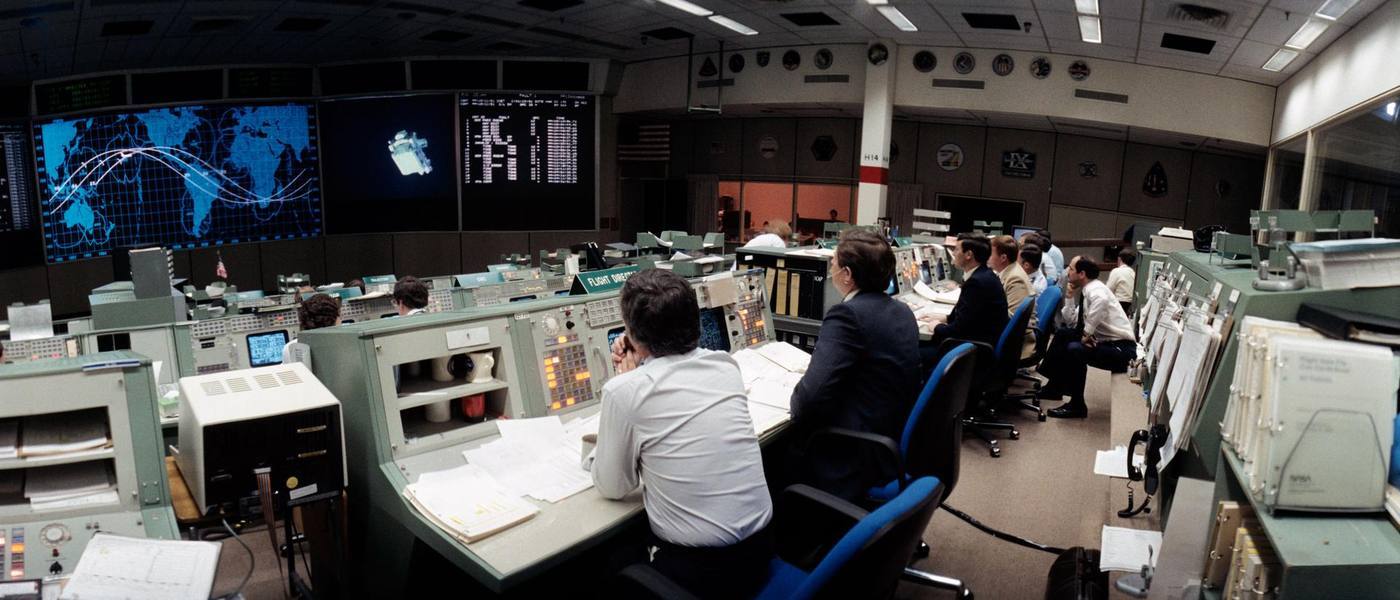
The Solar Storm's Nature
The solar storm that has captured the public's attention this month is a fascinating phenomenon resulting from solar flares and coronal mass ejections. These explosive bursts from the sun can send charged particles hurtling towards Earth at astonishing speeds. While the immediate effects of such storms on our technology, such as disruptions in radio communications and power grids, are frequently highlighted, the deeper implications often remain obscured.
What Gets Left Out
In news updates, the focus tends to be on the dramatic visuals and potential impacts on Earth. However, the broader context concerning the sun's behavior and its long-term implications for climate and technology is often relegated to the background. The lack of a comprehensive examination in the media leaves a gap in public understanding.
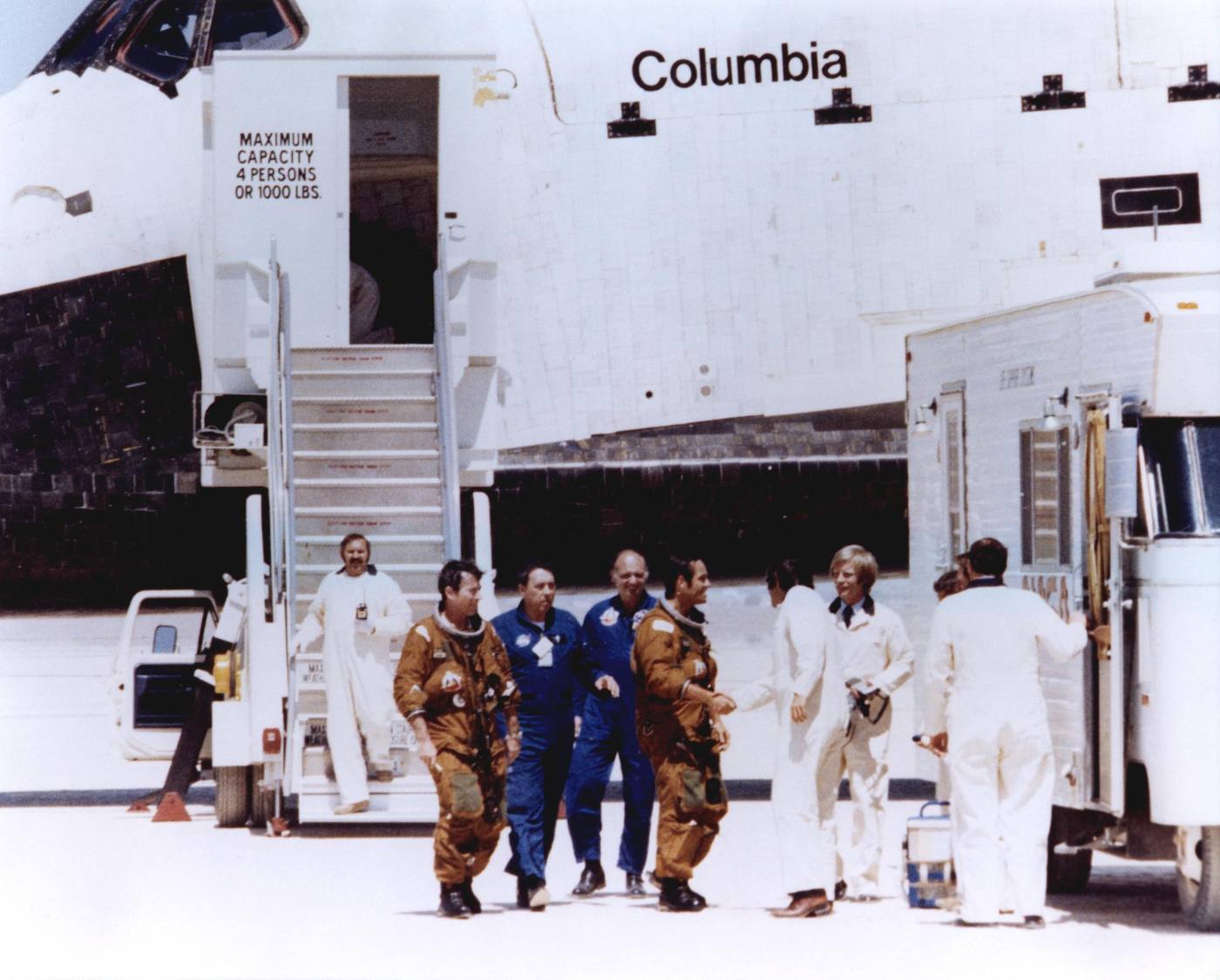
"The sun is not merely a backdrop for our lives; it is a dynamic entity that can significantly influence our technology and environment."
Impact on Technology
While the storm's short-term effects include potential disruptions to satellite operations and a spike in auroral activity, the long-term consequences are equally noteworthy. The aging infrastructure of our power grids poses a significant risk. A massive solar storm could potentially cause widespread blackouts, a reality that seems to be glossed over in favor of more immediate concerns.
This lack of preparation and awareness is not solely a government issue; it reflects a broader societal reluctance to address the vulnerabilities in our technological systems. The tendency to downplay these risks may stem from a fear of inciting panic, yet the information is crucial for public safety and preparedness.
Scientific Understanding vs. Public Awareness
Moreover, the complexity of solar phenomena is often lost on the general public. While scientists may grasp the nuances of solar activity, the average citizen may not be aware of how these events connect to broader climate patterns. The media's portrayal often simplifies the science to sound bites, neglecting the intricate relationship between solar activity and Earth's climate system.
The Political Divide
As we grapple with these scientific issues, it is essential to consider the political landscape that shapes our responses. On one hand, the left often pushes for increased funding for research and technological resilience against such natural disasters. However, their calls for government oversight can sometimes lead to inefficiencies and bureaucratic delays. On the other hand, the right frequently champions deregulation and reduced government intervention, which may help stimulate innovation but can also leave critical sectors vulnerable to natural threats.
This polarization can hinder comprehensive strategies that encompass both robust scientific research and practical implementation. The result is a lack of cohesive policy that can address the multifaceted challenges posed by solar storms and other natural phenomena.
Call for a Balanced Approach
What is needed now is a balanced dialogue that transcends partisan divides. Scientists, policymakers, and the public must engage in open discussions that prioritize long-term resilience over short-term political gains. It is essential to foster an environment where scientific literacy is valued and where the public can engage with the complexities of natural events like solar storms.
Furthermore, it is crucial to enhance our preparedness for potential disruptions caused by solar activity. This includes investing in infrastructure improvements and creating public awareness campaigns that inform citizens about the risks associated with solar storms and how to prepare for them.
The Role of Education
Education plays a pivotal role in bridging the gap between scientific understanding and public awareness. Schools should incorporate more comprehensive science curricula that address solar activity and its implications for our world. By fostering a generation of informed citizens, we can create a society that is better prepared to face the challenges posed by our dynamic sun.
Conclusion
The recent solar storm serves as a reminder of the need for a more nuanced understanding of our sun and its effects on Earth. As we move forward, it is imperative to cultivate a culture that values scientific inquiry while promoting informed public discourse. Only then can we hope to navigate the complexities of our universe without getting lost in the noise of sensationalism.
✦ ✦ ✦