From the file. Written for the paper dated December 1984. Opened in the public stacks July 14, 2026.
As the calendar inches toward the end of the year, the American public finds itself in the throes of a familiar tug-of-war: the drama of government shutdown brinkmanship. With each passing day, the stakes rise as both parties engage in a high-stakes game that leaves citizens anxiously waiting for resolution.

Political Theater at Its Finest
The current political climate is saturated with a sense of urgency as the Republican-controlled Senate and the Democratic-controlled House grapple over budget allocations. What has become starkly evident is that this is less about fiscal responsibility and more about political posturing. Each party seems more invested in winning the public relations battle than in actually coming to a consensus that serves the needs of the American people.
This ongoing struggle often leads to a paralysis that harms essential services and erodes public trust in government institutions. Americans are left to wonder whether their elected officials prioritize their interests or merely their own political survival.
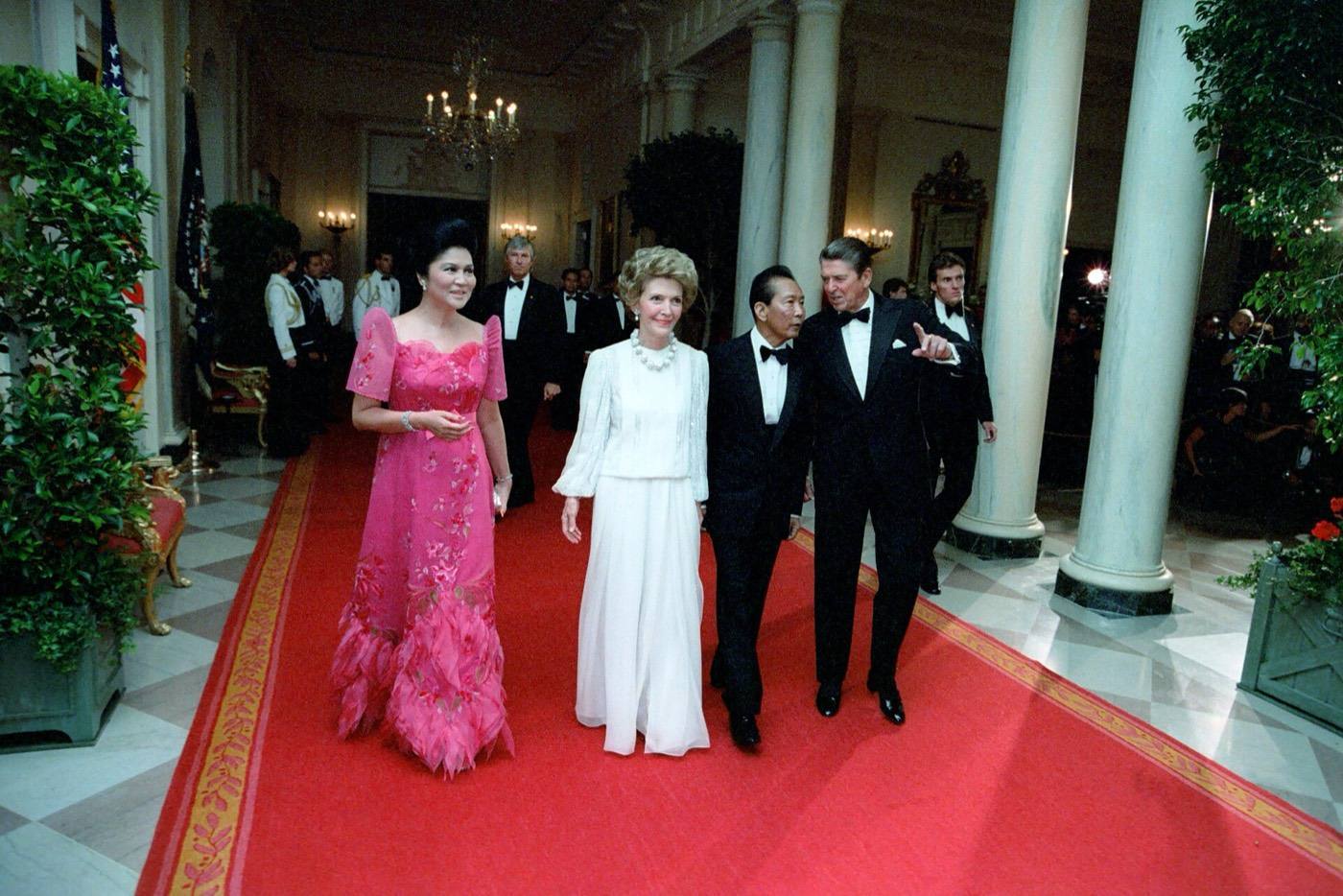
“The stakes are high, but so are the theatrics. Will we ever see a compromise that reflects the will of the people?”
Institutional Self-Preservation
As the budget debates rage on, it becomes increasingly clear that institutions are more focused on self-preservation than on effective governance. The bureaucracies within Washington, D.C., are designed to withstand upheaval, but at what cost? The result is a system that often prioritizes the status quo over meaningful change.
One glaring example of this institutional inertia is the way both parties cling to their respective ideologies, refusing to budge even an inch for the sake of governance. The Republicans, staunchly advocating for tax cuts and reduced government spending, seem to overlook the real-world implications of their stringent policies. Meanwhile, the Democrats, with their calls for increased social spending, often appear disconnected from the fiscal realities that the nation faces.
This rigid adherence to party lines has fostered a culture where compromise is seen as weakness, and the very institutions meant to represent the people have instead become battlegrounds for partisan warfare. The American public is left as spectators, frustrated and disillusioned.
The Consequences of Partisan Polarization
While political gamesmanship may play well to the partisan bases, the broader implications are troubling. As essential services falter due to budget impasses, everyday Americans are left to grapple with the fallout. From delays in public services to uncertainty in social programs that many rely on, the ramifications of this brinkmanship touch the lives of countless citizens.
Moreover, the ramifications extend beyond the immediate inconveniences of a shutdown. The longer the deadlock persists, the more trust in governmental institutions erodes. Americans grow weary of a system that appears to prioritize power struggles over effective governance. The result? A growing disillusionment that could have lasting consequences for future voter engagement and civic responsibility.
Finding Common Ground
As we look ahead, there remains hope for a political landscape that embraces compromise. However, this will require both sides to step back from the brink and recognize the necessity of working together. It is essential to foster an environment where dialogue is prioritized over divisive rhetoric.
Perhaps it's time for our elected officials to remember that the ultimate goal should not be to “win” at any cost, but rather to serve the best interests of the American people. The road ahead may be fraught with challenges, but true leadership lies in the ability to unite rather than divide.
✦ ✦ ✦