From the file. Written for the paper dated December 1984. Opened in the public stacks July 14, 2026.
As the budget standoff drags on in Washington, the voices of partisanship grow louder, drowning out the reasoned discourse necessary for effective governance.
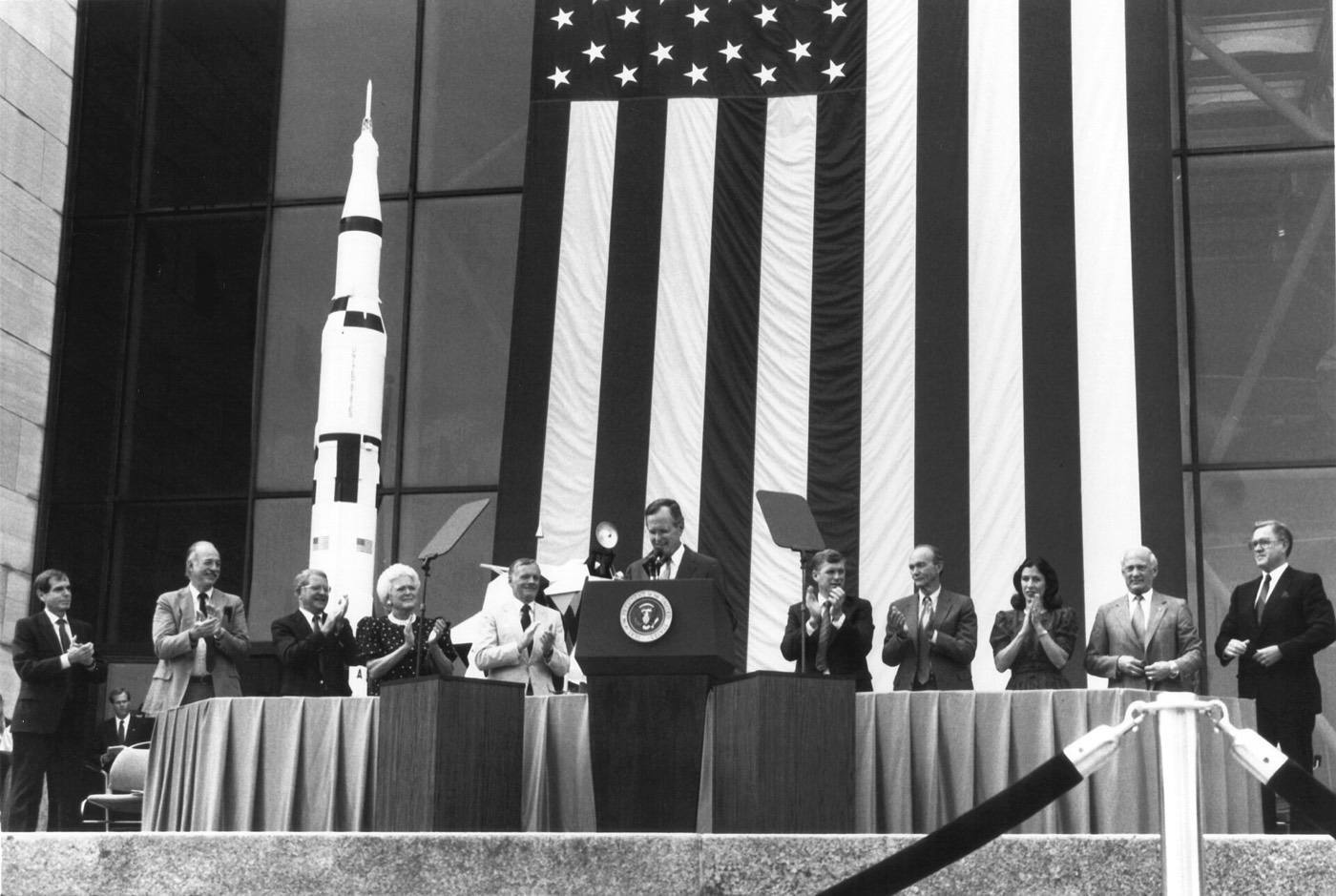
In the Midst of Political Theatre
The nation finds itself at a critical juncture, as the budgetary impasse threatens not just the federal government but also the stability of countless social programs citizens depend on. On one side, the administration, buoyed by economic recovery rhetoric, pushes for tax cuts and defense spending while downplaying the consequences of a stalled budget. On the other, the opposition party - fervently advocating for social spending and welfare programs - clings to the notion that fiscal responsibility can only be achieved by raising taxes on the wealthiest citizens.
As the drama unfolds, one can’t help but wonder whether the true victims of this political theatre are the very institutions that these factions claim to protect. Congress appears more focused on grandstanding than on the pragmatic solutions needed to resolve the crisis. The public is left to sift through the cacophony of sound bites and campaign promises, struggling to decipher what is truly at stake.
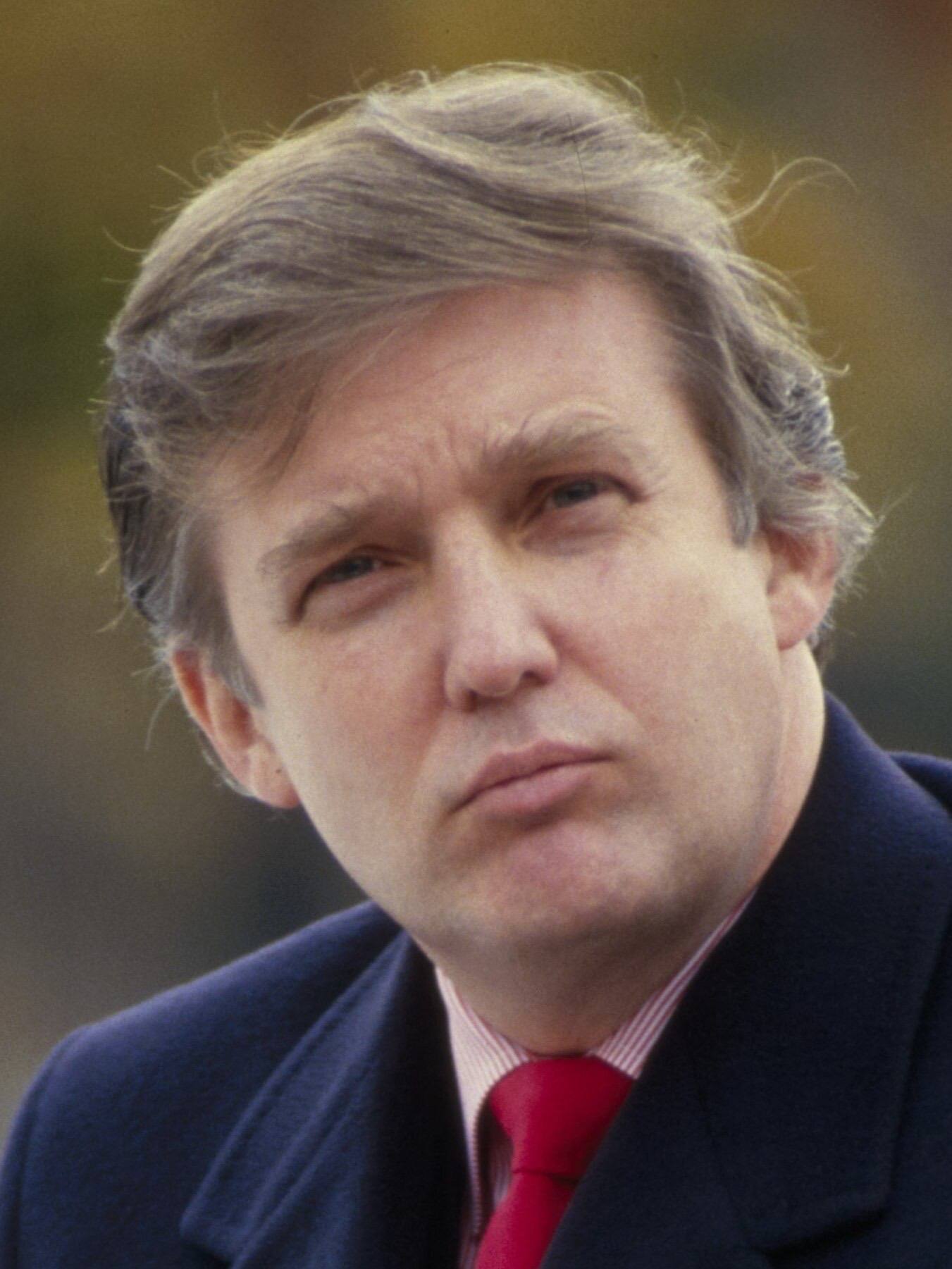
“In this political environment, the real issues get lost in the shuffle of partisan posturing.”
Institutional Self-Preservation
Both sides of the aisle seem more concerned with safeguarding their institutional power than with the implications of a budgetary failure. The right champions military spending, portraying any cuts as a threat to national security. Meanwhile, the left insists on maintaining social safety nets, framing opposition as a betrayal of the most vulnerable among us. Yet, as each side digs in, the reality is that the budget standoff is less about the merits of these issues and more about the protection of partisan interests.
This self-preservation mentality stifles innovation and compromise. As negotiations drag on, it becomes clear that neither party is willing to blink first. The American public watches in frustration as vital programs hang in the balance, while politicians engage in a high-stakes game of chicken. The institutions of our democracy, which should ideally function as checks and balances, are instead becoming battlegrounds for partisan warfare.
The Cost of Excess
The ramifications of this standoff extend beyond the immediate political landscape. For the right, the insistence on tax cuts and defense spending without a corresponding plan for revenue generation could lead to ballooning deficits, threatening long-term economic stability. Conversely, the left’s push for expanded social programs without a clear funding mechanism risks alienating moderate voters who may be concerned about fiscal irresponsibility.
Both extremes are guilty of excess, and the American public is left to bear the brunt of their failures. Citizens are caught in the crossfire, left without the support they need during a critical time of economic recovery. With rising unemployment rates and inflation still a concern, the lack of bipartisan cooperation is a bitter pill to swallow.
A Call for Compromise
If the institutions of our government are to function as intended, a shift in approach is necessary. Politicians must prioritize the needs of their constituents over party loyalty. The American people expect their leaders to work together to find common ground, rather than resorting to inflammatory rhetoric and partisan games.
It is imperative that both sides of the aisle engage in honest dialogue, seeking out solutions that reflect the needs of the nation as a whole. This means moving beyond the extremes and recognizing that compromise is not a sign of weakness but rather a hallmark of effective governance. The time has come for a bipartisan solution that addresses the fiscal responsibilities of the government while also safeguarding the social programs that support millions of Americans.
Conclusion: A Nation in Need
The clock is ticking, and the stakes could not be higher. As the budget standoff persists, the American public watches with a mix of anxiety and disappointment. The institutions that were designed to protect their interests are instead caught in a web of political maneuvering. In this moment of crisis, one must ask: will our leaders rise to the occasion, or will they allow their institutions to falter under the weight of their own excess?
✦ ✦ ✦