From the file. Written for the paper dated November 1984. Opened in the public stacks July 14, 2026.
As the political landscape shifts, the recent spate of cabinet resignations has ignited a firestorm of speculation and debate. Both sides of the aisle are feeling the tremors, revealing deep-seated dilemmas and incentives that transcend mere party lines.

The Resignations: A Political Game?
In recent weeks, several high-profile resignations from President Reagan's cabinet have sent shockwaves through Washington. As these figures, once considered the backbone of the administration, step down, the motivations behind their departures are coming under close scrutiny. Are these resignations a sign of political weakness within the administration, or are they part of a calculated strategy to reshape the cabinet in the face of growing public dissent?
On the left, critics are quick to pounce on these developments as evidence of a faltering administration. They argue that the resignations reflect a lack of confidence in Reagan's policies, especially in light of the economic challenges facing the nation. Yet, while it's easy to point fingers, one must also acknowledge that the left has its own set of excesses, often amplifying the narrative of doom without recognizing the complexities at play.
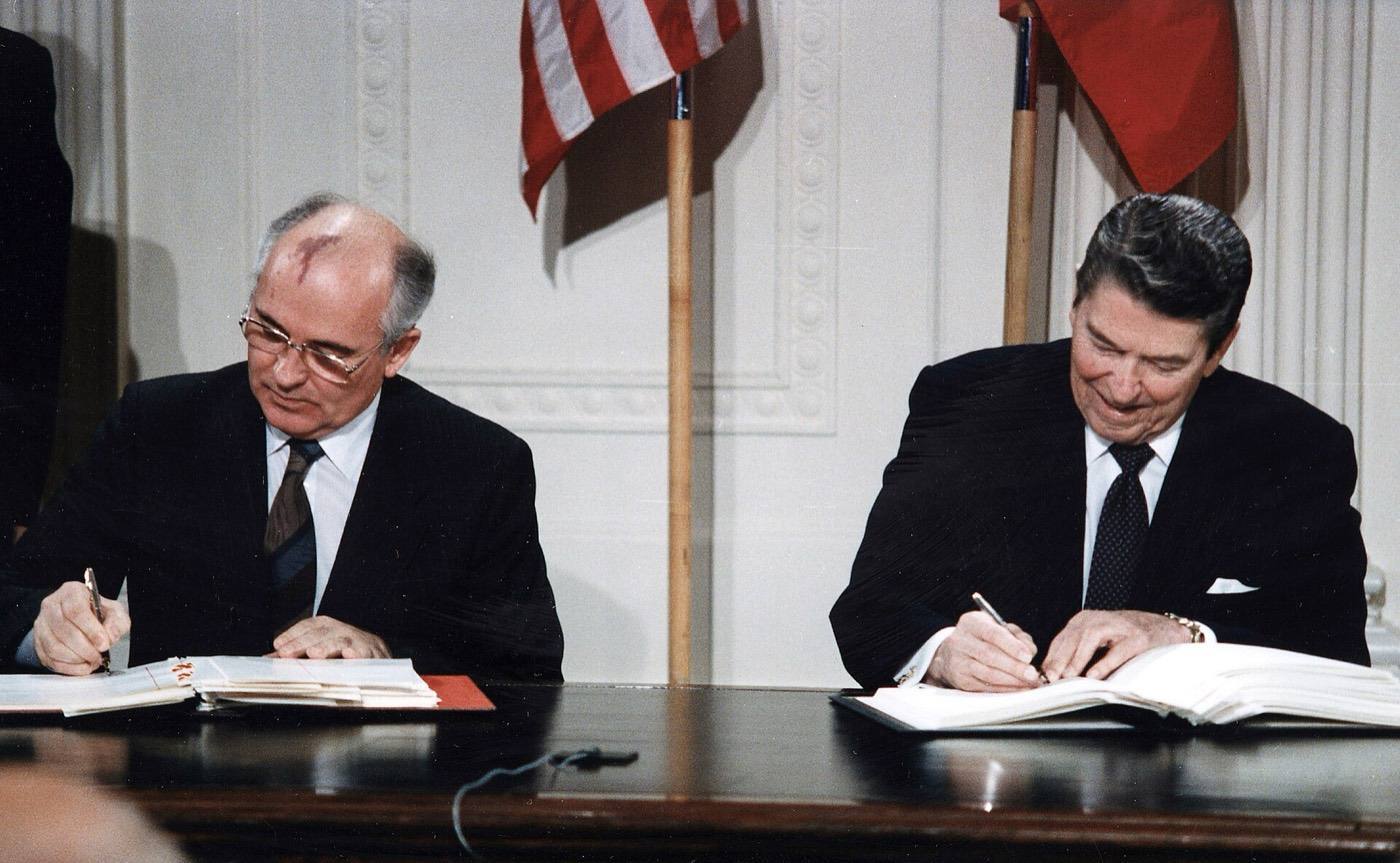
"The political game has become a zero-sum affair where both sides appear more focused on scoring points than addressing the needs of the nation."
The Right's Dilemma
Conversely, the right is grappling with its own challenges. While many conservatives remain steadfastly loyal to the Reagan agenda, the growing chorus of dissent within the ranks is hard to ignore. The resignations of cabinet members such as Secretary of the Interior William Clark have sparked fears that the administration is losing grip on its core principles. The right risks falling into the trap of echoing the left's narrative of chaos, as they scramble to maintain their ideological purity amidst the chaos.
The right's response has often been to double down on rhetoric that resonates with their base, yet this can lead to a disconnect with the broader public. The excessive polarization only fuels the fire, leaving little room for constructive dialogue. It raises the question: in their quest to uphold conservative values, are they alienating moderate voices and failing to address the pressing issues of the day?
Incentives for Change
As we analyze the motivations behind these cabinet resignations, it’s essential to recognize the incentives at play. For those leaving the administration, whether due to personal conviction or political pressure, the promise of a new beginning may be more appealing than the prospect of weathering a storm. Yet, this self-serving approach does little to benefit the nation as a whole.
On the other hand, the incentives for those remaining in the cabinet are equally complex. While loyalty to the President is critical, so too is the desire to maintain their political capital. The fear of being the next to resign can lead to a culture of silence, where dissenting voices are stifled in favor of conformity. This not only undermines the effectiveness of governance but also perpetuates a cycle of dysfunction that is detrimental to the American people.
The Role of the Media
The media plays a pivotal role in shaping the narrative around these resignations. While it is the job of journalists to investigate and report, there is a fine line between holding power accountable and sensationalizing events for ratings. The tendency to frame every political shift as a crisis can lead to public fatigue and cynicism, leaving citizens feeling disconnected from the political process.
Moreover, the media's framing of the left and right's responses can exacerbate divisions. The portrayal of the left as a harbinger of doom and the right as an embattled fortress can create an environment where compromise becomes increasingly elusive. It is imperative for journalists to strive for balance, presenting a more nuanced view that reflects the complexities of the political landscape.
Conclusion
As we navigate this tumultuous political moment, it is essential to recognize the incentives that drive both sides of the aisle. The left's inclination to amplify narratives of crisis must be tempered by a commitment to constructive dialogue. Meanwhile, the right must refrain from retreating into echo chambers that stifle dissent. Only through a collaborative approach can we hope to address the pressing issues facing our nation.
✦ ✦ ✦