From the file. Written for the paper dated October 1984. Opened in the public stacks July 14, 2026.
As the excitement of a severe weather event fades from the headlines, a closer examination of weather models reveals significant gaps in the public's understanding of how forecasts are constructed and what information is often left out of official briefings.
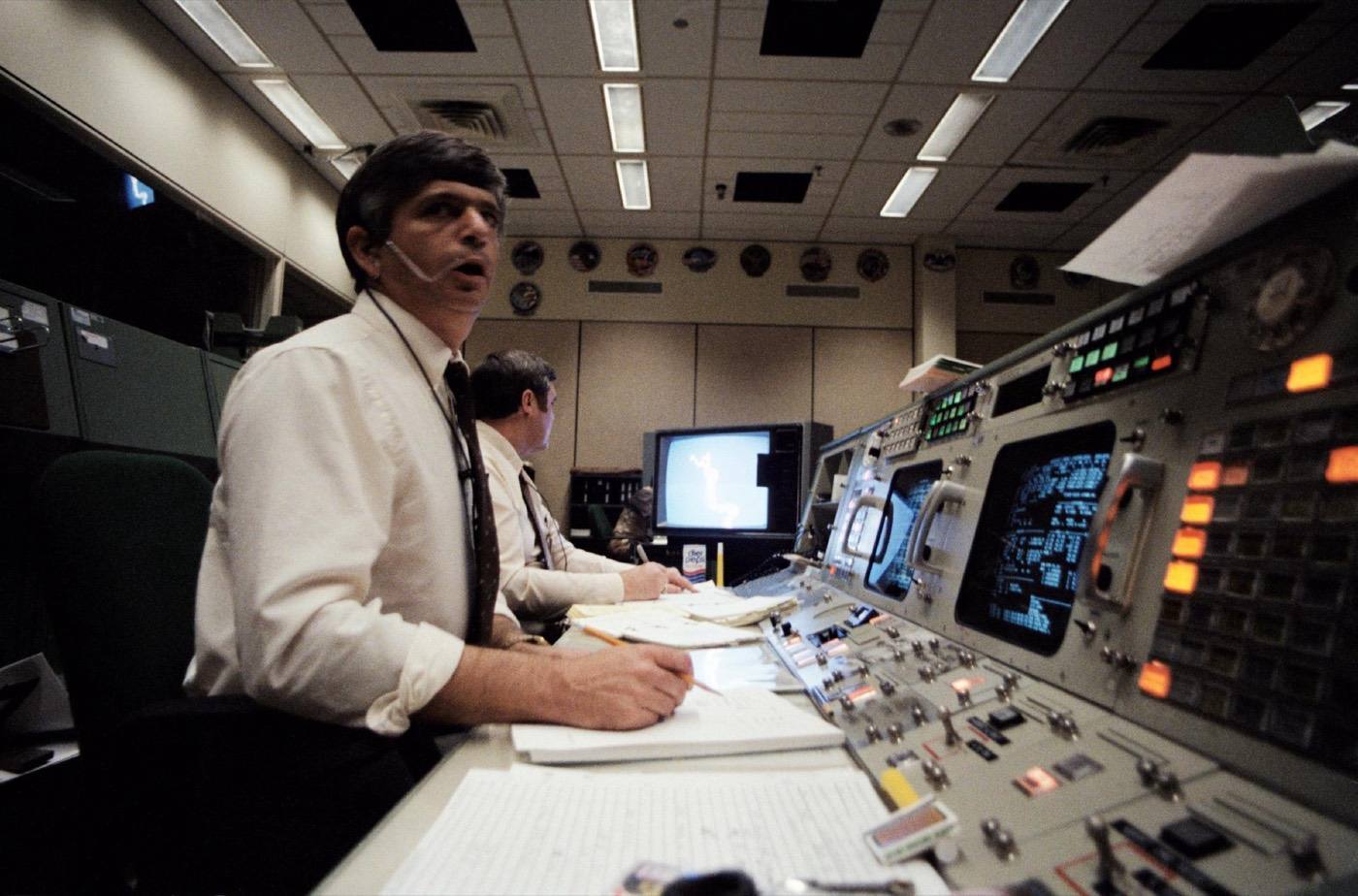
The Complexity of Weather Prediction
The world of meteorology is a complex tapestry woven from data, analysis, and often, speculation. While the media tends to focus on dramatic weather events, the intricacies of the models that predict these occurrences frequently remain in the shadows. This can lead to public misconceptions about the reliability and accuracy of forecasts.
Weather models are sophisticated algorithms that simulate atmospheric conditions based on current data. They utilize vast amounts of information collected from satellites, weather stations, and ocean buoys. However, the real challenge lies in interpreting this data and making predictions. Meteorologists are not only tasked with processing this information but also with communicating it effectively to the public.
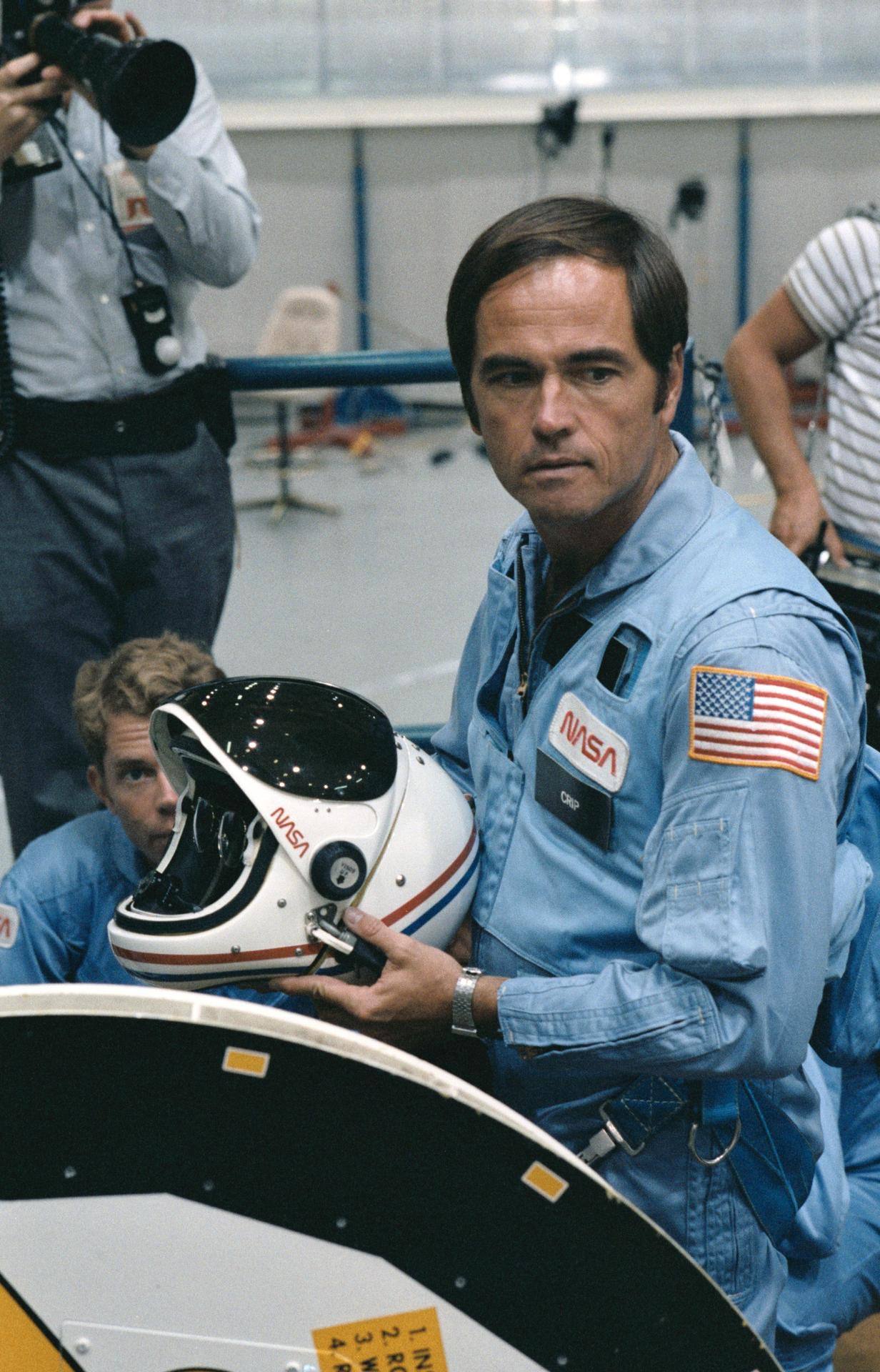
"Meteorology is as much an art as it is a science, and sometimes the nuances get lost in translation."
Gaps in Communication
One of the major issues is that the public rarely gets to see the full picture of the data behind forecasts. When a major storm approaches, the urgency of the situation often leads to a barrage of warnings and updates. However, what is too often omitted from these briefings is the uncertainty inherent in weather prediction.
Meteorologists often have to make quick decisions based on incomplete information. The final forecast is a product of numerous models, each offering a different perspective on what the weather might do. In the rush to inform the public, subtleties such as the probability of certain outcomes or the range of potential scenarios can be glossed over.
Excesses on Both Sides
As we navigate the landscape of meteorological reporting, it’s essential to recognize the excesses emerging from both sides of the political spectrum. On the left, there is often a tendency to amplify climate change narratives in the wake of extreme weather events, sometimes attributing every storm to a broader environmental crisis without adequate scientific consensus. This can create a sense of panic and urgency that may not always align with the data.
On the right, a dismissive attitude toward climate science can lead to a dangerous underestimation of the risks associated with severe weather. By downplaying the potential impacts of climate change, certain factions foster a dangerous ignorance that leaves communities unprepared for increasingly severe weather patterns.
"When we politicize weather events, we risk undermining the very science that helps us prepare for them."
Bridging the Gap
To better serve the public, meteorologists must work to bridge the gap between complex scientific data and effective communication. This requires a concerted effort to educate the public about the limitations of forecasts. Citizens should be made aware that while weather models provide valuable insights, they are not infallible.
Moreover, media outlets have a responsibility to present weather information in a manner that educates rather than incites panic. Instead of sensationalizing forecasts, they should strive to explain the science behind the predictions and the uncertainties involved. This can empower individuals to make informed decisions during severe weather events.
Conclusion: The Future of Weather Reporting
As weather forecasting continues to evolve, it is imperative that both the scientific community and the media work hand in hand to ensure that the public receives accurate and comprehensive information. By acknowledging the limitations of current models and presenting forecasts with transparency, we can foster a more informed citizenry.
In a time when weather can change lives in an instant, ensuring that communities understand the intricacies of forecasting is not just beneficial; it is essential for public safety and preparedness.
✦ ✦ ✦