From the file. Written for the paper dated October 1984. Opened in the public stacks July 14, 2026.
As the headlines fade from the evening news, the conversation around science education takes a backseat to the glitzy narratives of political campaigns and sensationalized events. It is essential to examine what is left out of the briefings and how this neglect impacts our students' understanding of the world around them.
The State of Science Education
In schools across the country, science education is at a crossroads. While advancements in scientific understanding and technology progress at a dizzying pace, our classrooms often lag behind. The lack of adequate resources, outdated materials, and insufficient emphasis on critical thinking skills has stunted the growth of a scientifically literate populace.
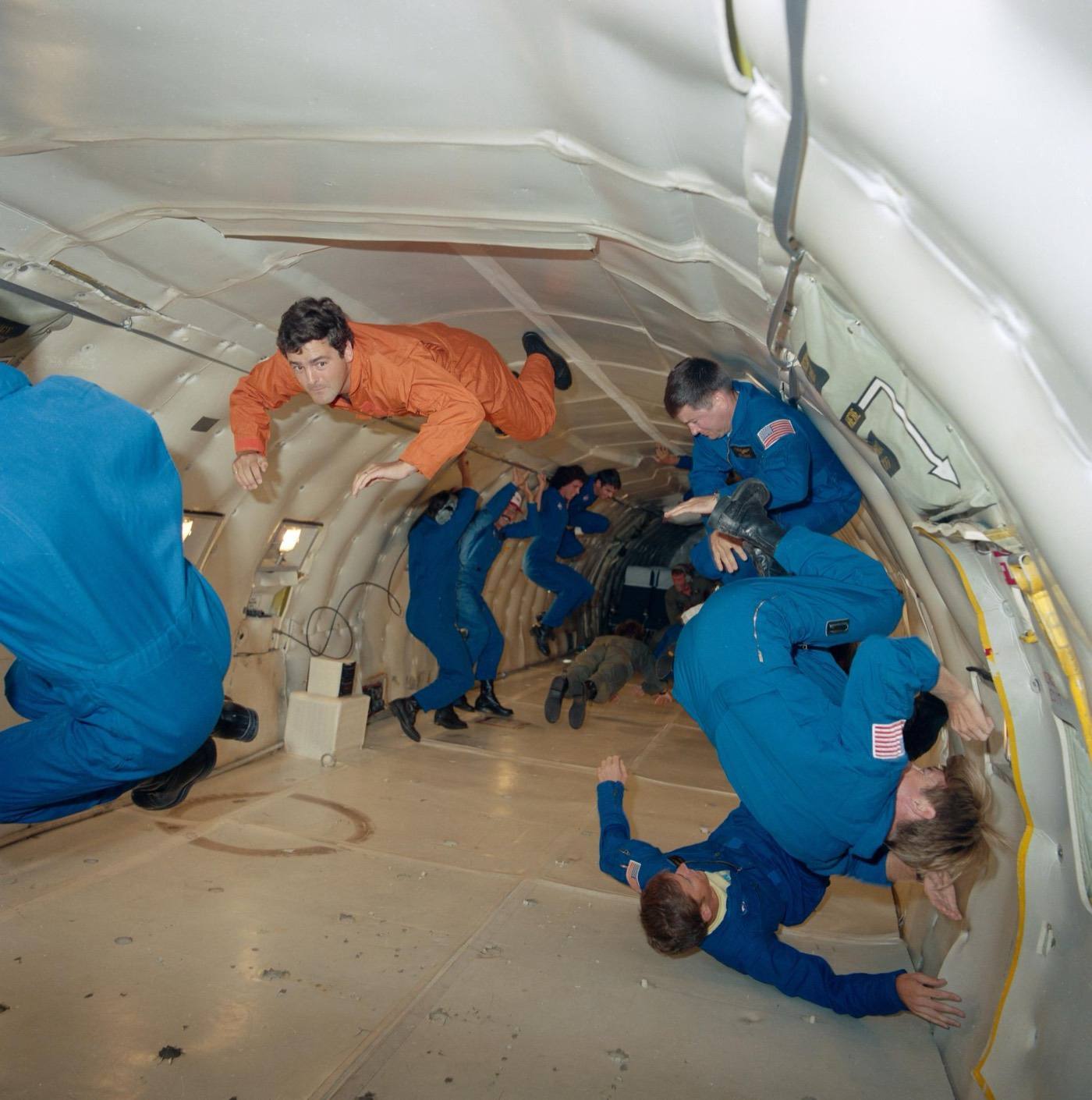
The recent surge of interest in space exploration and environmental issues has provided a temporary spotlight on science, yet once the news cycle shifts, so too does the focus on these vital subjects. The question remains: how do we ensure that science education is not merely a passing fancy but a foundational pillar of our educational system?
Political Rhetoric vs. Educational Reality
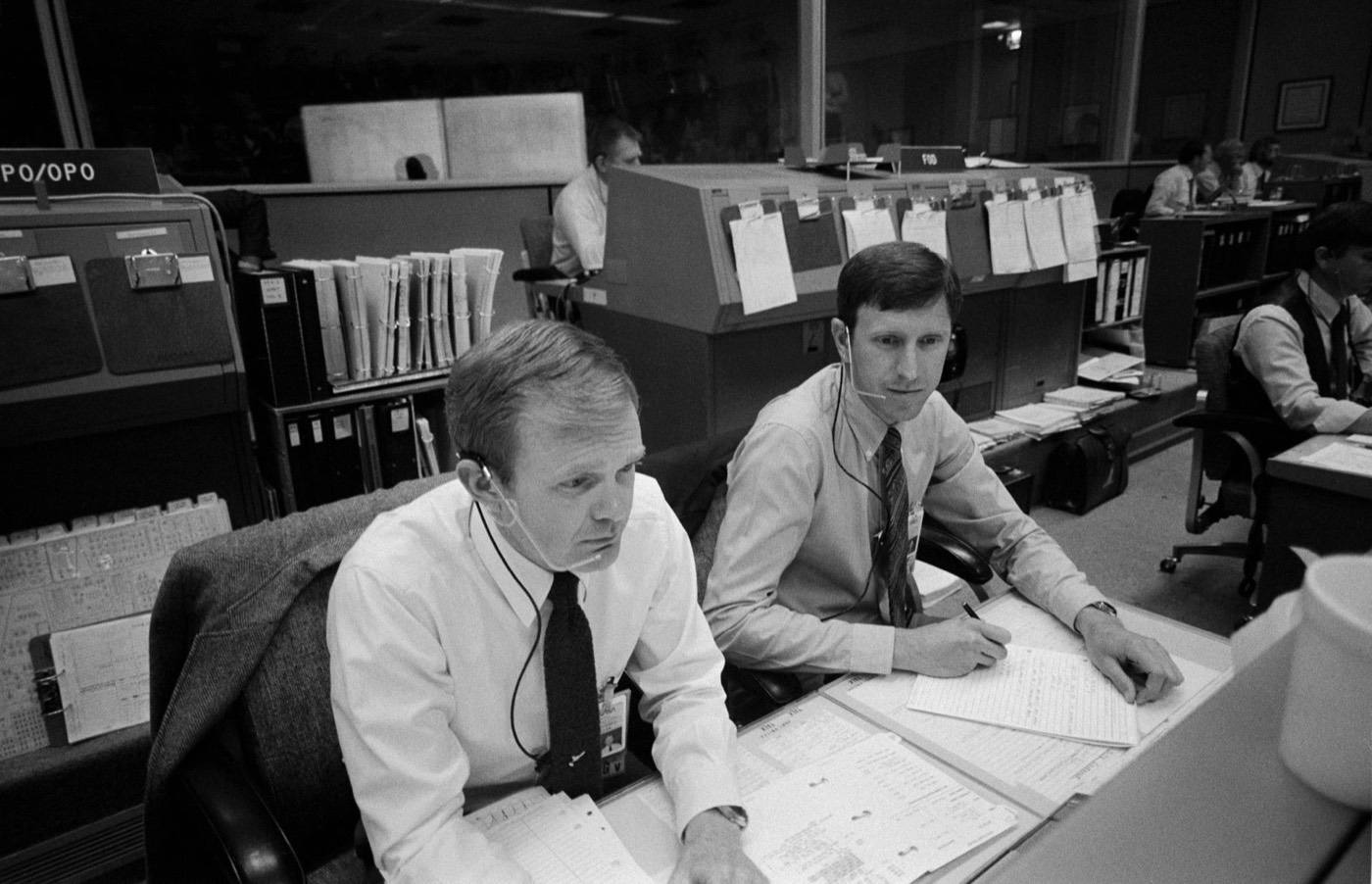
The political landscape in October 1984 is rife with rhetoric from both the left and the right, each claiming to champion education reform. However, beneath the surface, both sides often overlook the fundamental principles that should guide science education.
"Science is not a subject to be left behind; it is the backbone of progress."
On one hand, the left emphasizes the need for equal access to education and resources. Yet, in their pursuit of equity, there is a tendency to dilute the rigor of science education in favor of broader social goals. While inclusivity is important, it must not come at the cost of academic excellence. Students require a solid grounding in scientific principles to engage meaningfully with contemporary issues such as climate change, health care, and energy policy.
Conversely, the right often champions traditional educational values, advocating for a return to the basics. However, this approach can become inflexible, neglecting the need for adaptability in a rapidly changing scientific landscape. A fixation on rote memorization of facts can stifle creativity and critical thinking - skills that are essential for innovation in science and beyond.
The Importance of Curriculum Development
One of the critical areas that often gets overlooked in the science education debate is the need for continual curriculum development. The world of science is ever-evolving, with new discoveries challenging old understandings. Yet, many school districts cling to outdated curricula that do not reflect the current state of scientific knowledge.
To combat this, educators and administrators must prioritize ongoing professional development for teachers. Science educators should have access to the latest research and teaching methodologies to ensure they can effectively impart knowledge to their students. Additionally, collaboration with local universities and research institutions can provide invaluable resources and expertise.
Encouraging Scientific Literacy Beyond the Classroom
Science education should not be confined to the walls of the classroom. Encouraging scientific literacy in the broader community is crucial. Public engagement with science, whether through local science fairs, community forums, or accessible public lectures, can inspire curiosity and foster a culture that values scientific inquiry. The media also plays a vital role in this regard. Responsible reporting on scientific issues can bridge the gap between complex research and public understanding.
It is imperative for both educators and policymakers to recognize that science education is not merely a box to check but an essential component of a well-rounded education. A scientifically literate citizenry is better equipped to make informed decisions on pressing issues, from health care to environmental sustainability.
The Path Forward
As we look ahead, both political parties must move beyond their entrenched positions to embrace a more holistic approach to science education. The left should advocate for comprehensive science curricula that do not compromise on academic rigor, while the right must recognize the necessity of fostering creativity and critical thinking in future generations.
Ultimately, the success of science education hinges on collaboration - between educators, policymakers, and communities. By prioritizing scientific literacy and adapting to the ever-changing landscape of knowledge, we can prepare our students to not only understand the world around them but also to contribute meaningfully to its advancement.
✦ ✦ ✦