From the file. Written for the paper dated October 1984. Opened in the public stacks July 14, 2026.
As headlines proclaim the latest statistics on savings rates, a deeper examination reveals a complex tapestry of economic behavior that is often overlooked by the media.

The Numbers Behind the Narratives
In recent weeks, reports have surfaced indicating fluctuations in the national savings rate. While the media has been quick to highlight these numbers, the underlying factors driving these changes are frequently brushed aside. The latest figures suggest that Americans are saving less, but what do these statistics truly reflect? Are we witnessing a culture of consumption, or is there a more troubling economic reality at play?
At the heart of the matter is the balance between consumer spending and saving habits. The current economic environment has cultivated a mindset where immediate gratification often takes precedence over long-term financial stability. For many, the allure of consumer goods - from the latest home electronics to luxury vehicles - has overshadowed the importance of savings. This trend is not merely a reflection of individual choices but is also influenced by broader socio-economic conditions.
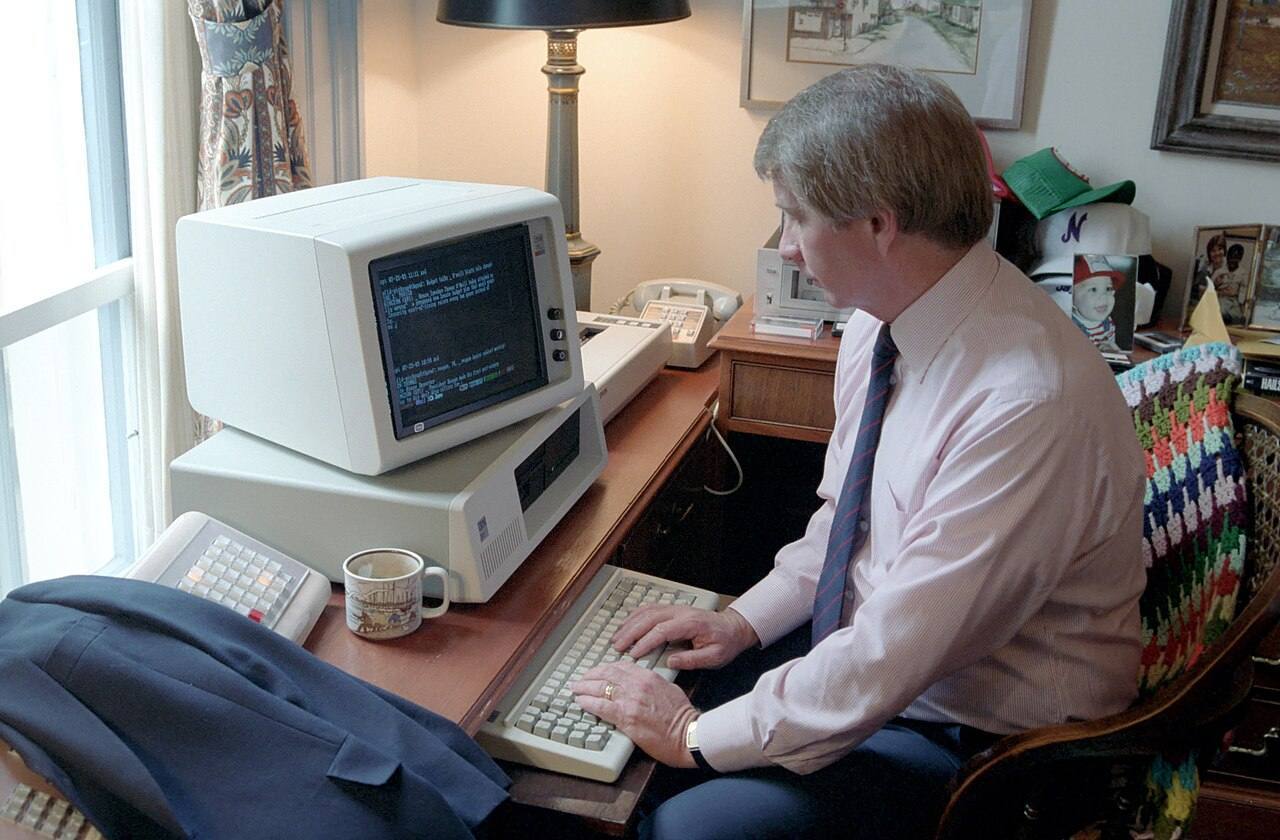
“The allure of consumer goods has overshadowed the importance of savings.”
Consumer Confidence vs. Economic Reality
While consumer confidence is often touted as a significant driver of economic growth, it can also lead to irrational spending. The media's focus on consumer confidence indices tends to ignore the nuances of economic disparity and the financial struggles faced by many households. A rising savings rate in affluent areas can mask the fact that lower-income families are sinking deeper into debt, unable to save due to stagnant wages and rising living costs.
Indeed, as we celebrate economic growth, it is essential to recognize that not all Americans are reaping the benefits. The middle class is being squeezed, and the gap between the wealthy and the working poor continues to widen. This disparity is often left out of the conversation when discussing national financial trends, resulting in a skewed perception of economic health.
The Role of Government Policy
Moreover, government policies aimed at stimulating economic growth can have unintended consequences on savings behavior. For instance, tax cuts may provide immediate relief for many, yet they can also encourage reckless spending rather than prudent saving. The current administration's economic policies, while celebrated by some, often fail to address the long-term implications of reduced savings rates.
It is essential to scrutinize the effects of such policies beyond the immediate economic indicators. Are they creating an environment that fosters sustainable growth, or are they merely placating the public with temporary gains? The rush to consume may leave many Americans feeling financially vulnerable, particularly in a volatile economy.
Critiquing the Extremes
In this landscape of economic discourse, both ends of the political spectrum seem to contribute to the misunderstanding surrounding savings rates. On the left, there is a tendency to blame capitalism itself for the plight of the lower and middle classes, advocating for sweeping reforms that may not address the root causes of financial instability. On the right, the mantra of deregulation and tax relief often overlooks the reality faced by everyday Americans - many of whom are struggling to make ends meet, let alone save for the future.
While ideological battles rage, the average citizen continues to navigate a confusing economic reality. It is imperative that we move beyond partisan rhetoric and engage in substantive discussions about savings and economic behavior. Blaming one ideology or another will not solve the complex issues at hand; instead, a more nuanced approach is required.
Finding a Middle Ground
As we assess the current savings rate, it is vital to recognize the importance of financial literacy and responsible spending habits. Educating individuals about the benefits of saving can empower them to make informed choices, regardless of the economic climate. Additionally, policy solutions should focus on creating equitable opportunities for all citizens to save and invest in their futures.
In conclusion, while headlines may flash the latest savings rates, it is the deeper analysis that reveals the true state of our economy. The conversation must shift from mere statistics to the lived experiences of Americans, understanding that saving is not just a personal choice but a societal imperative. Only then can we hope to forge a path toward a healthier economic future.
✦ ✦ ✦