From the file. Written for the paper dated September 1984. Opened in the public stacks July 14, 2026.
As the American population ages, debates surrounding the implications of this demographic shift are intensifying. While both sides of the political spectrum seize upon the figures to bolster their arguments, a closer examination reveals a more nuanced reality.
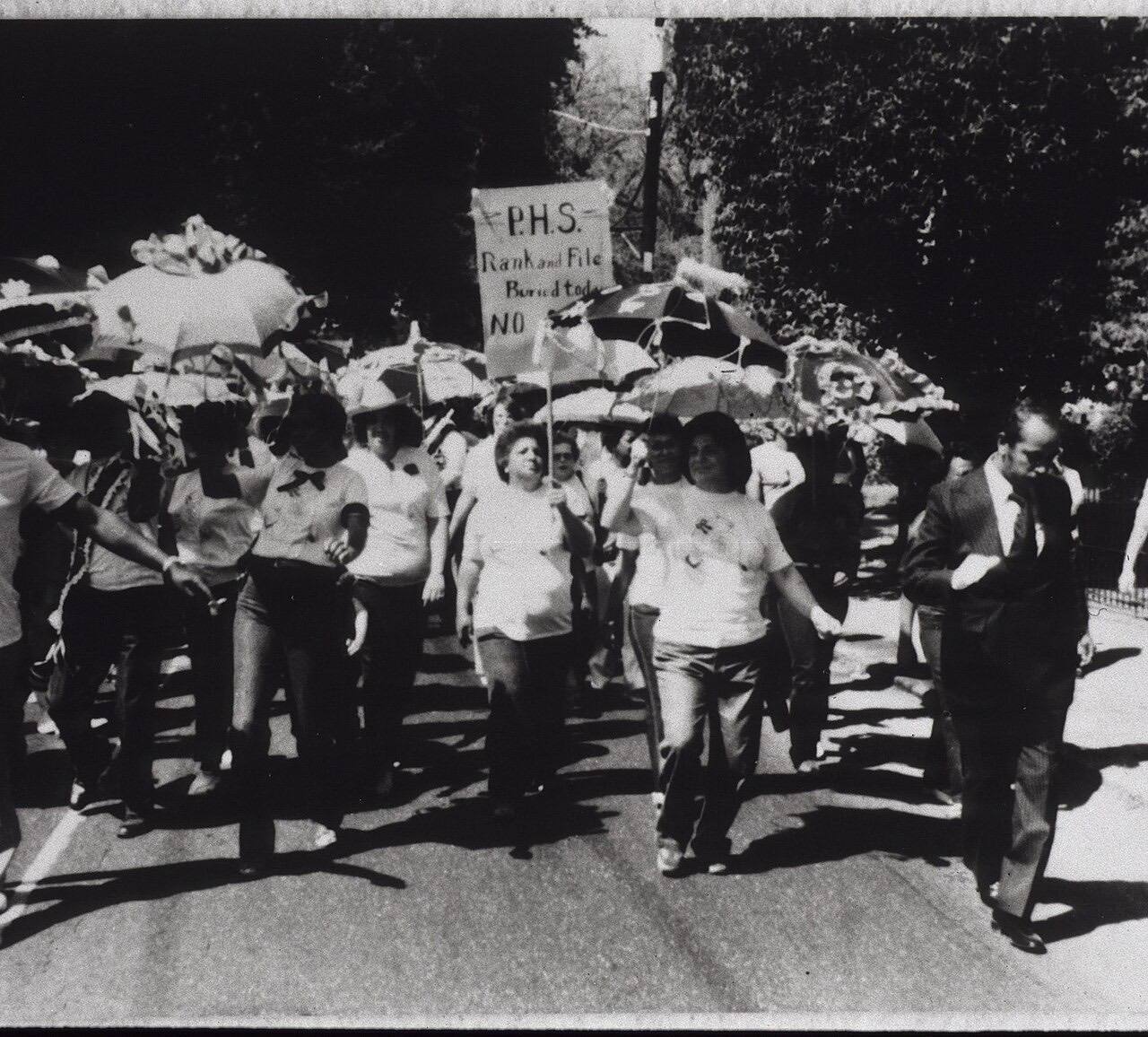
The Numbers Behind Aging
The U.S. Census Bureau projects that by the year 2000, approximately 40 million Americans will be aged 65 or older, a significant increase from 25 million in 1980. This dramatic rise in the elderly population predicts a profound impact on healthcare, Social Security, and the workforce. However, the narrative surrounding these statistics often veers toward alarmism, with various factions manipulating the data to fit their ideologies.
Left-Wing Alarmism
Progressives frequently highlight the aging population as a crisis that requires immediate government intervention. They argue that without comprehensive healthcare reform, the system will be overwhelmed by the increasing demands of older citizens. This perspective suggests that seniors will become a burden on society, straining resources and leading to a decline in the quality of care for all.
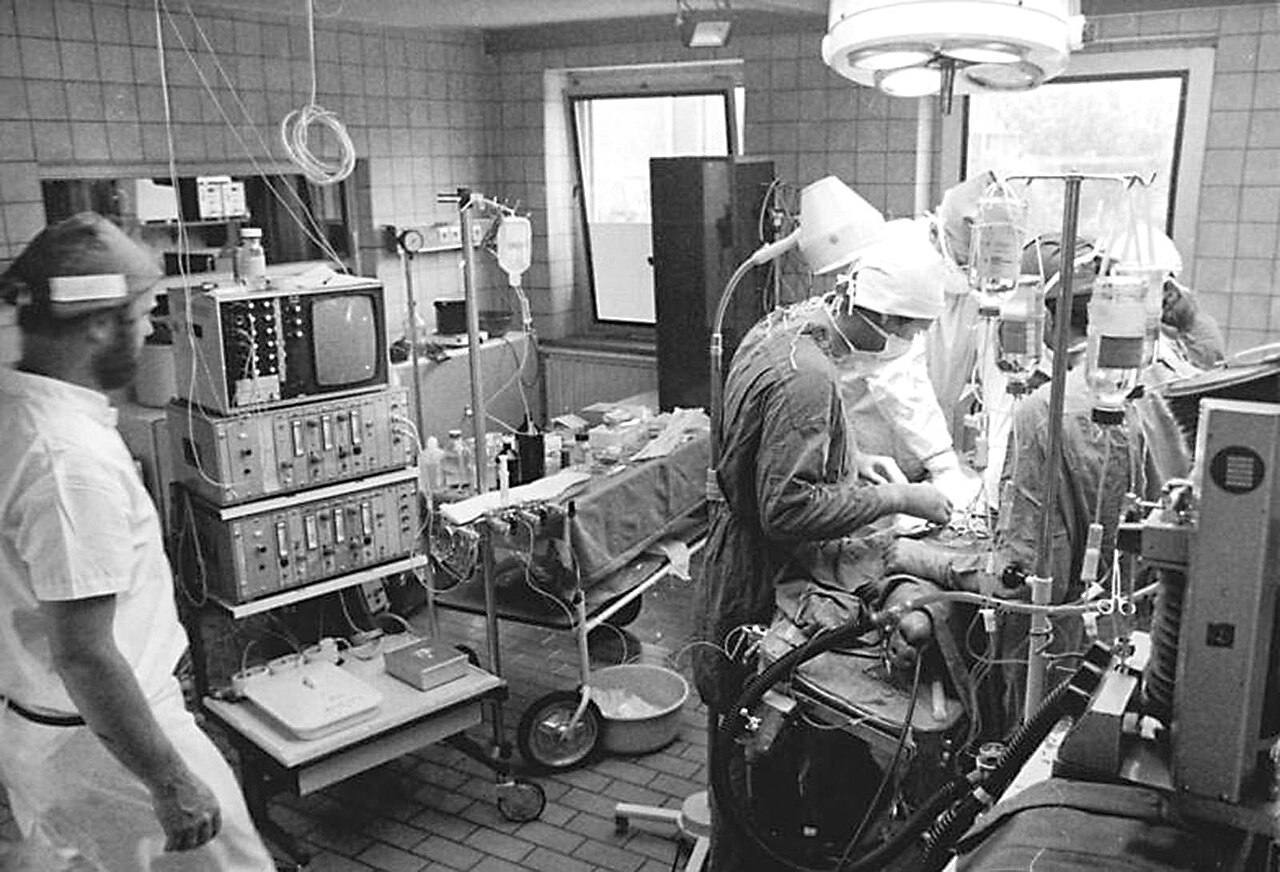
“The rising number of elderly citizens poses a significant threat to our healthcare system, necessitating urgent reforms.”
While the concerns of leftist advocates are not unfounded, their rhetoric often overlooks the potential for innovation and adaptation within the healthcare sector. Many aging individuals lead active, healthy lives and contribute to society in myriad ways. By focusing solely on the negatives, they risk alienating a population that could be seen as an asset rather than a liability.
Right-Wing Complacency
In stark contrast, conservative voices often downplay the implications of an aging population, framing it as a natural evolution rather than a crisis. They argue that the free market will resolve any issues that arise, asserting that increased demand will lead to improved services and technological advancements in healthcare.
“The market will adjust to the needs of an aging populace; there's no need for government intervention.”
This laissez-faire approach, while rooted in a desire for minimal government involvement, can be dangerously shortsighted. It neglects the reality that significant segments of the elderly population may lack the financial means to access necessary care. Furthermore, the notion that the free market will inherently cater to the needs of seniors ignores the historical failures within the healthcare system to prioritize preventative care and equitable access.
A Middle Ground
As the debate rages on, a more balanced perspective is needed, one that acknowledges the challenges posed by an aging society while also recognizing the opportunities for growth and innovation. It is not merely a question of whether the aging population will be a burden or a boon, but how society chooses to respond to this demographic shift.
Policy Recommendations
To navigate the complexities of an aging population, policymakers on both sides of the aisle must be willing to engage in constructive dialogue and seek common ground. This includes investing in preventative healthcare measures, enhancing community support systems, and exploring ways to integrate technology to improve the quality of life for seniors.
Additionally, addressing the financial disparities that make healthcare inaccessible to many older Americans should be a priority. This means revisiting Social Security and Medicare to ensure they can sustain the growing population of retirees without compromising the wellbeing of younger generations.
Conclusion
The aging population poses undeniable challenges, but it also presents opportunities for societal growth and understanding. By moving beyond the extremes of alarmism and complacency, we can create a future that values and supports our elderly citizens while preparing for the realities of tomorrow.
✦ ✦ ✦