From the file. Written for the paper dated July 1984. Opened in the public stacks July 14, 2026.
In the summer of 1984, as the presidential election looms, the political landscape is increasingly dominated by populist rhetoric. Both the left and right are guilty of overclaiming, presenting their views in exaggerated terms and often resorting to selective memory to rally support. This trend merits scrutiny, for it not only misrepresents facts but also endangers the democratic discourse.
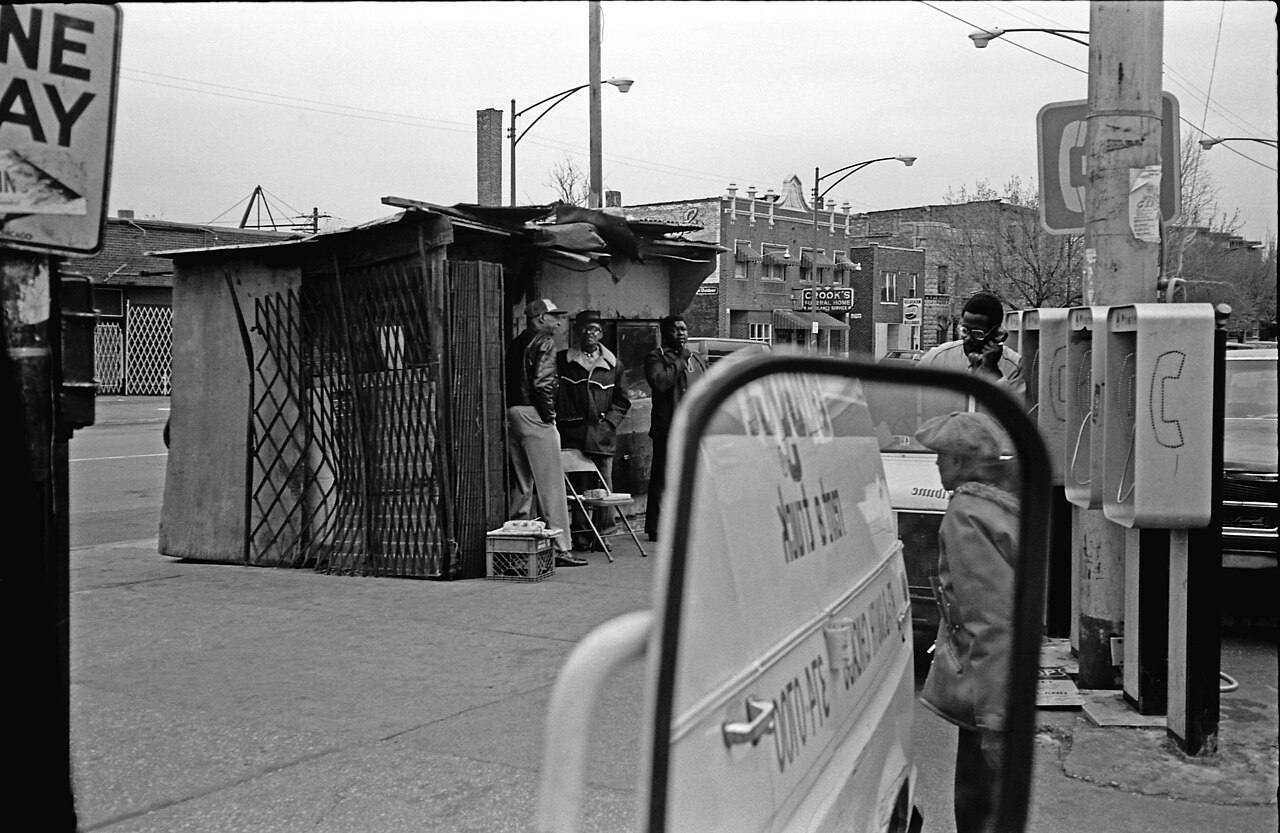
Populism and Its Perils
Populism, at its core, seeks to represent the common people against a perceived elite. However, in the current climate, both major parties are indulging in hyperbole that distorts reality. On one side, we see left-wing populists denouncing corporations as the root of all societal ills, seeking to dismantle the very structures that provide jobs and economic stability. Meanwhile, right-wing populists are invoking a vision of a nation under siege, where the threat of foreign influence and immigration is exaggerated to the point of absurdity.
This tendency to overclaim does not merely serve the interests of political parties; it undermines the integrity of the political system itself. By focusing on sensationalized narratives, both sides obscure the nuanced truths that underlie complex issues. The left may paint a picture of a capitalist society run amok, while the right may depict a nation overrun by threats both foreign and domestic. In doing so, they risk alienating moderate voices and those willing to engage in constructive dialogue.
"In the race to capture the populist imagination, both sides have resorted to narratives that lack grounding in reality, thereby eroding public trust."
Selective Memory: A Bipartisan Affair
What is perhaps more troubling than the overclaiming itself is the bipartisan practice of selective memory. Each side conveniently forgets its own missteps while highlighting the failings of the other. For instance, many on the left have been quick to criticize the Reagan administration for its handling of social issues, yet they often overlook the economic policies of previous Democratic administrations that contributed to the current climate of inequality.
Conversely, the right frequently condemns perceived moral decay under Democratic leadership, ignoring the cultural shifts and social advancements that have taken place under their own watch. This ongoing game of blame diminishes the possibility for accountability and genuine reform. Instead of addressing the root causes of societal problems, both parties engage in a tug-of-war over narratives that serve their interests.
The Impact on Voter Engagement
The ramifications of these trends extend beyond mere rhetoric; they are impacting voter engagement and the overall health of American democracy. With both sides caught in a cycle of hyperbole and selective memory, voters may become disenchanted with the political process. When faced with narratives that seem disconnected from reality, many citizens may choose to disengage entirely, leading to lower voter turnout and a disengaged electorate.
Moreover, this erosion of trust in the political system can give rise to apathy, where individuals feel that their voices do not matter. In a country that thrives on democratic participation, this is a dangerous trajectory. It is imperative for leaders on both sides to recognize the importance of honest discourse and the value of engaging with the complexities of the issues facing our society.
A Call for Authenticity
As we move closer to the election, it is more important than ever for politicians to abandon the temptation of overclaiming and selective memory. Instead of relying on fear tactics or oversimplified narratives, we need a commitment to honesty and transparency. This is not merely a plea for civility; it is a call to action for all involved in the political process.
By fostering a culture of authenticity, we can begin to rebuild trust between the electorate and their representatives. This involves acknowledging past mistakes, recognizing the successes of opposing viewpoints, and engaging in meaningful dialogue about our collective future. Only by doing so can we hope to restore faith in our democracy and ensure that it serves the interests of all citizens, not just a select few.
✦ ✦ ✦