From the file. Written for the paper dated June 1984. Opened in the public stacks July 14, 2026.
As the dust settles from the recent military engagements abroad, a critical conversation surrounding the war powers of the President and Congress has quietly faded from the forefront of American discourse. The implications of this oversight could have far-reaching consequences for the future of democratic governance in the United States.
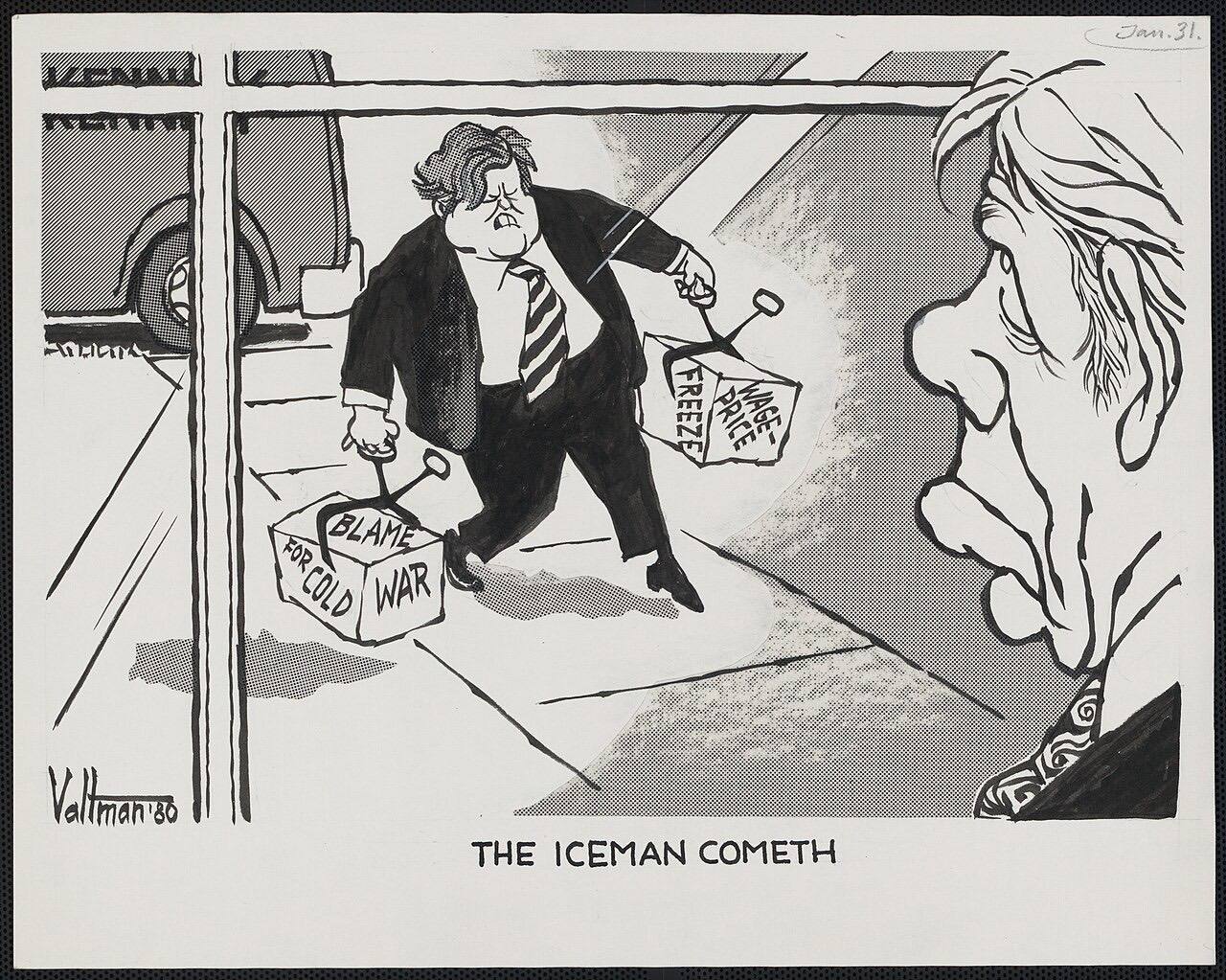
The Ongoing Conflict
The United States finds itself entangled in various military operations across the globe, prompting a resurgence in discussions about the authority granted to the executive branch. The War Powers Resolution of 1973, designed to curb presidential overreach by requiring congressional approval for military engagements, is facing significant challenges.
Many argue that the current administration's actions reflect a disregard for the intent of this legislation. As troops remain stationed in conflict zones and military actions escalate, the question arises: have we relinquished our checks and balances in favor of expedient decision-making?
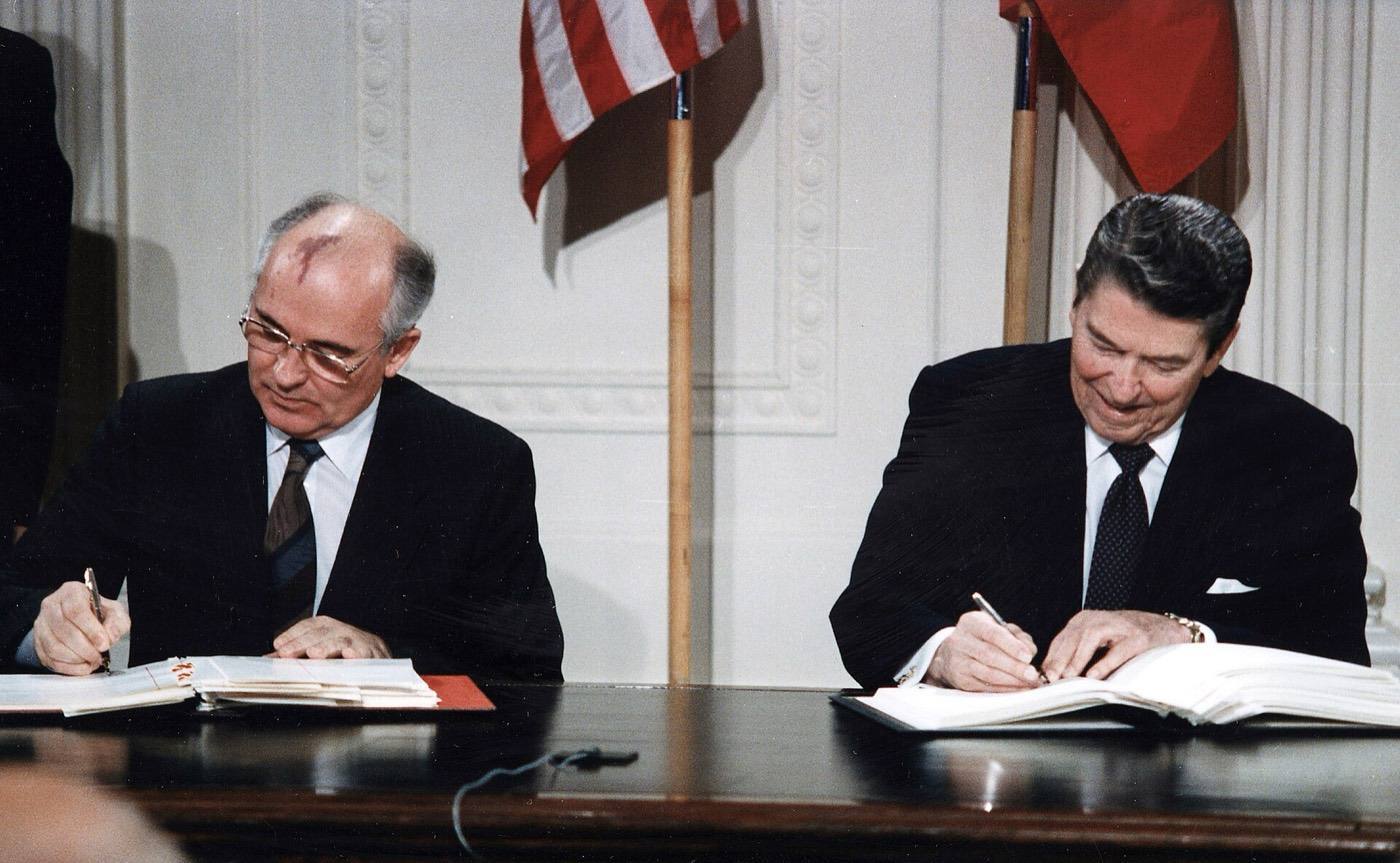
A Bipartisan Oversight
Both sides of the political spectrum share a degree of culpability in this matter. The left, often championing civil liberties and governmental accountability, has been strangely muted in the face of this executive branch expansion. Critics argue that this silence amounts to a tacit endorsement of the administration’s approach to foreign policy, undermining the very principles they claim to uphold.
On the other hand, the right has been equally complicit, often prioritizing national security over constitutional constraints. The fervent support for military actions, accompanied by a rallying cry of patriotism, has overshadowed the importance of legislative oversight. This dangerous precedent raises alarms about the erosion of democratic principles.
“In the name of security, we risk losing the very freedoms we seek to protect.”
As military operations extend indefinitely, the consequences of this oversight become increasingly apparent. Congressional hearings and debates are often sidelined, overshadowed by the urgency of the moment. Yet, it is precisely in such times of crisis that a robust examination of executive power is most necessary.
The Public’s Role
Amidst this political quagmire, the American public must also grapple with its role in the war powers debate. The apathy surrounding military engagements can be attributed to a multitude of factors, including the overwhelming media landscape that often prioritizes sensationalism over substantive discussion.
Moreover, a lack of comprehensive education on the implications of the War Powers Resolution leaves many citizens unaware of their rights and the mechanisms available for holding their government accountable. In an age where information is readily available, the disconnect between the electorate and the legislative process remains troubling.
Conclusion: A Call for Engagement
The discourse surrounding war powers must not be relegated to the background of national conversation. Both the left and right must recognize their roles in this ongoing issue and the importance of enforcing the checks and balances that are fundamental to our democracy. The quiet failure of oversight should serve as a wake-up call to lawmakers and citizens alike.
As we navigate an increasingly complex geopolitical landscape, it becomes imperative to ensure that the authority to engage in military action is not concentrated within a single branch of government. The checks and balances established by the Constitution are not mere formalities; they are essential to preserving the liberties we hold dear.
✦ ✦ ✦