From the file. Written for the paper dated June 1984. Opened in the public stacks July 14, 2026.
In an age characterized by rapid shifts in political discourse and media attention, the call for patience seems to be increasingly drowned out by the clamor of sensationalism and the urge for immediate action.
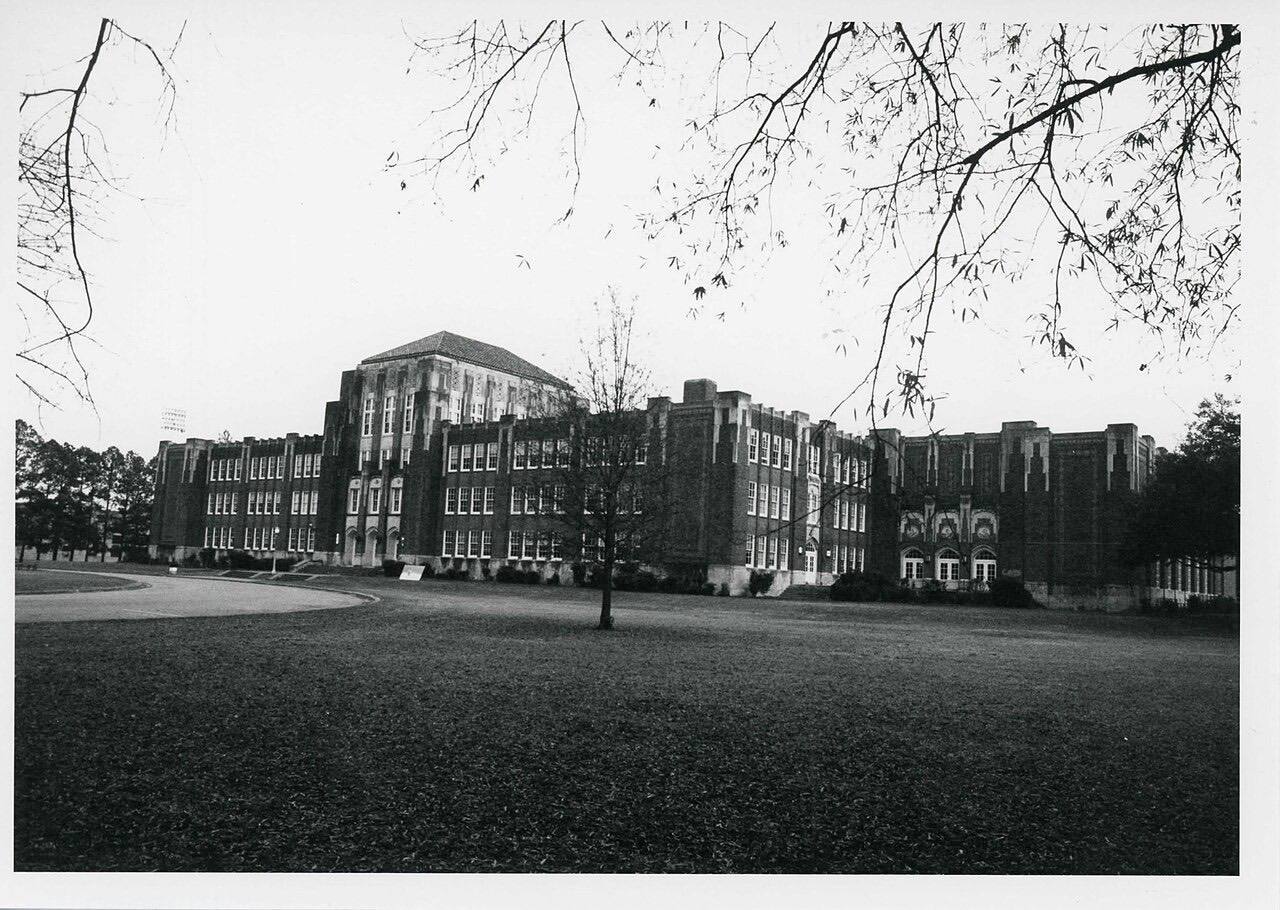
Echoes of Immediate Gratification
As we witness the political landscape transforming at a breakneck pace, the virtue of patience is often overlooked. Our society has devolved into a cycle of reactionary behavior, where the loudest voices dominate the narrative. On one hand, we have the left, advocating for sweeping reforms that promise quick fixes to deeply entrenched societal issues. On the other, the right rallies around traditional values, often resisting change with an urgency that seems misplaced. Both sides, it appears, are falling prey to the allure of immediacy, neglecting the thoughtful deliberation that true progress requires.
"Patience is not just a virtue; it is a necessary ingredient for meaningful change."
Take, for instance, the recent debates surrounding economic policy and welfare reform. Proponents of immediate action argue that the current system is failing the most vulnerable among us. While their intentions are commendable, the rush to implement sweeping reforms without sufficient oversight risks creating new problems even as old ones are addressed. Quick fixes rarely consider the complexity of human behavior or the nuances of economic systems. A hasty approach to welfare reform could undermine the very safety nets designed to assist those in need.
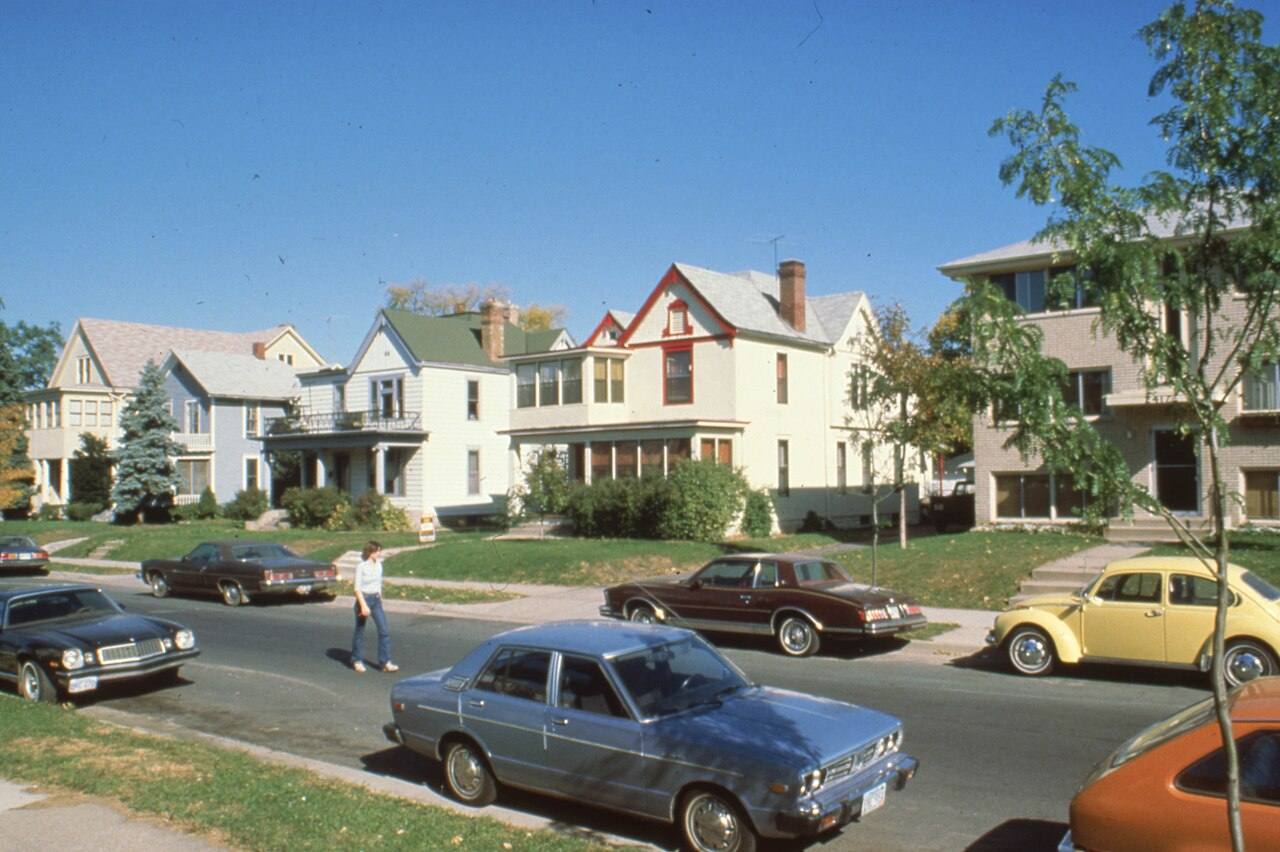
The Right's Reactionary Stance
Conversely, the right's fixation on preserving the status quo often comes across as a refusal to engage with the realities faced by many Americans today. While advocating for traditional values is important, a rigid adherence to past norms can stifle progress. The insistence that change must happen only on one’s terms can lead to alienation and resentment among those who feel unheard. It is in this space of frustration that extremism on both sides can find its roots. The right's narrative often overlooks the fact that patience can lead to a more inclusive dialogue that respects differing viewpoints while finding common ground.
Failures of Oversight
As the rush to action intensifies, we witness a disconcerting trend: a collective failure of oversight. In our eagerness to champion causes and be seen as allies, we often neglect the vital task of scrutinizing the consequences of our proposed solutions. The left's sweeping plans for reform and the right's resistance to change both exhibit a lack of patience for the intricate dance of policymaking. It is imperative that we ask ourselves: what happens after the headlines fade? What remains when the cameras leave? A thoughtful approach demands that we consider the long-term effects of our actions, not just the immediate applause they may generate.
We must remember that progress is often a gradual process. The call for reform should not be equated with the need for haste. Instead, it should inspire thoughtful dialogue, careful planning, and an acknowledgment of the past. Patience is not synonymous with inaction; rather, it is a proactive stance that allows for reflection and consideration of the broader implications of our choices. The urgency of the current moment should not eclipse the necessity for measured responses.
Embracing a Culture of Reflection
In this climate of heightened tension and division, we can cultivate a culture of reflection. By embracing patience, we can foster an environment where ideas are thoroughly vetted and where the voices of all stakeholders are heard. This requires a commitment to engage in civil discourse, to listen actively, and to resist the temptation to leap into action without adequate preparation. The stakes are high, and the path ahead is fraught with challenges, but it is only through deliberate engagement that we can hope to navigate the complexities of our times.
In conclusion, the virtue of patience may seem out of place in our current climate of immediacy, but it is precisely what we need to guide us toward sustainable solutions. Both the left and the right must learn to value time as an ally rather than an enemy. The headlines may fade, but the repercussions of our actions will endure. Let us be diligent stewards of our democracy, advocating for change with both courage and caution. Only then can we aspire to create a society that truly reflects our highest ideals.
✦ ✦ ✦