From the file. Written for the paper dated May 1984. Opened in the public stacks July 14, 2026.
As tensions mount across the globe, the war powers debate has re-emerged as a focal point of domestic discourse, revealing the stark divides between left and right that threaten to undermine the very fabric of our political system.

The War Powers Act: A Double-Edged Sword
The War Powers Act of 1973 was intended to restrict the president's ability to engage in military actions without congressional approval. However, as we witness increasing military engagement in regions far from our shores, the question arises: has this legislation truly fulfilled its purpose? Or has it become a tool for both sides of the aisle to further their agendas?
President Reagan's administration, with its bold foreign policy initiatives, has often skirted the edges of this act, citing national security and the need for swift action as justification for military maneuvers. This has drawn sharp criticism from the left, who argue that such actions undermine the principles of democracy and accountability. On the other hand, the right has rallied around the notion that decisive action is necessary to combat the spread of communism and maintain American interests abroad, often dismissing concerns about constitutional overreach as naive or overly cautious.
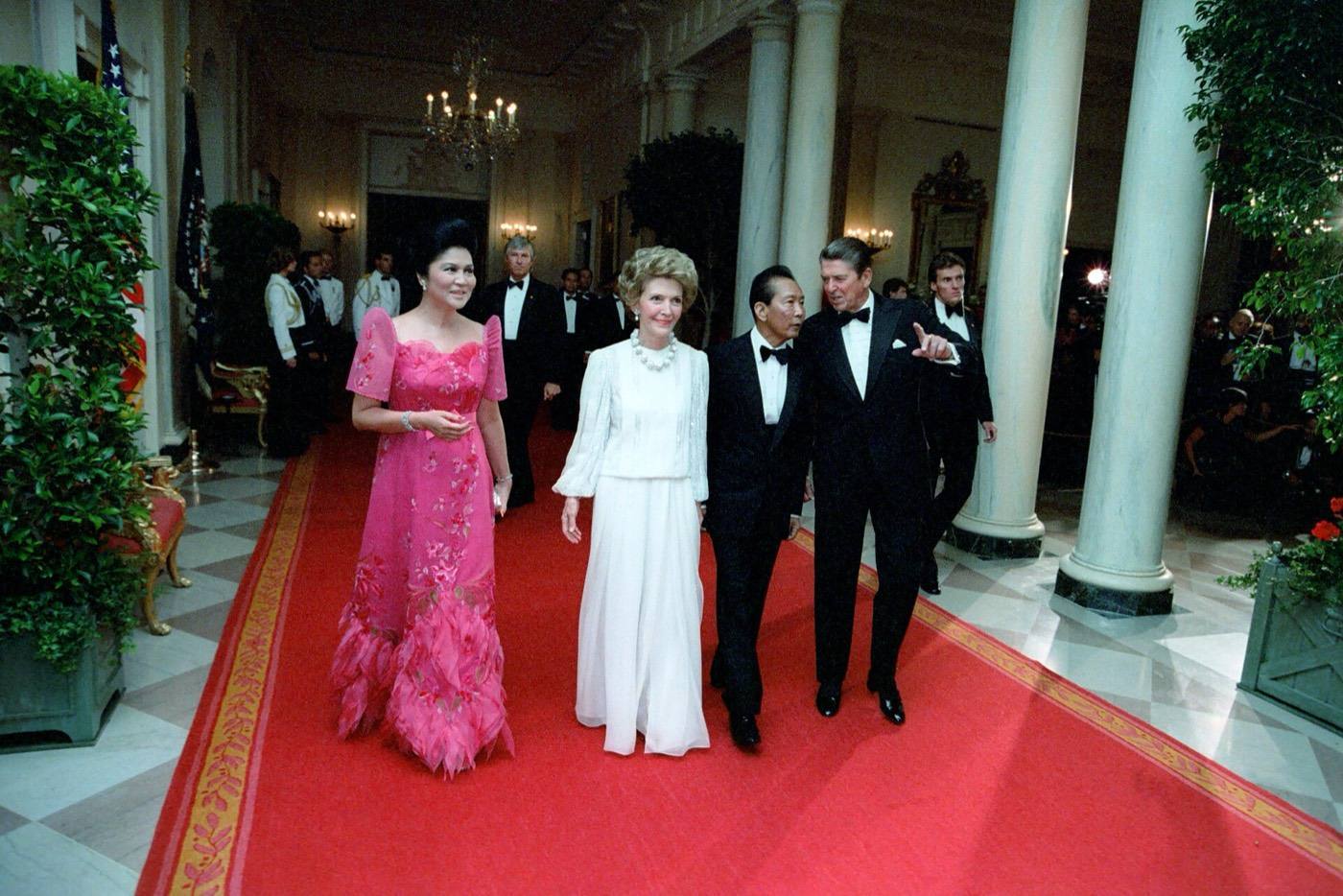
"The president is not a king. Our democracy requires checks and balances." - Senator from the left
The Left's Call for Restraint
Progressives have taken a firm stance against unrestrained military action, advocating for a return to the principles of the War Powers Act. They argue that the constant military interventions, whether in Lebanon or Central America, not only strain our resources but also tarnish our reputation as a beacon of democracy. The left's call for restraint is rooted in a genuine concern for both domestic and international consequences. However, their approach sometimes veers into a realm of isolationism that can be just as dangerous; a failure to intervene in crucial moments can lead to humanitarian crises and unchecked aggression from hostile nations.
The Right's Push for Military Engagement
Conversely, conservatives argue that the world is not a safe place, and America must project strength to deter threats. The rhetoric frequently used by right-leaning commentators often frames military engagement as a moral imperative, a responsibility to protect freedom where it is threatened. Yet, this perspective can lead to an excessive militaristic stance that neglects diplomatic solutions and the potential for peaceful resolutions. The eagerness to engage militarily can also result in unintended consequences that leave our nation embroiled in conflicts with no clear exit strategy.
The Middle Ground: Seeking Balance
In this charged climate, the middle ground seems increasingly elusive. A balanced approach to war powers is essential to ensure that the United States acts as a responsible global leader while preserving the integrity of our democratic institutions. Lawmakers across the aisle must engage in constructive dialogue, focusing on a shared goal of national security without sacrificing the principles of accountability and oversight.
Moreover, there is a dire need for a reassessment of the War Powers Act itself. Current political dynamics reveal the inadequacies of a law that was designed for a different era. Possible reforms should be considered, including clearer definitions of military engagement and the circumstances under which congressional approval is required. Such reforms could help to bridge the divide and foster a more collaborative approach to foreign policy, one that balances the necessity of decisive action with the foundational principles of our democracy.
The Role of the American Public
The American public also plays a crucial role in this debate. As citizens, we must demand accountability from our elected officials. A well-informed electorate is essential to ensure that decisions regarding military engagement reflect the will of the people rather than the whims of those in power. Public discourse must encourage critical examination of our foreign policy, fostering an environment where both restraint and strength can coexist.
✦ ✦ ✦