From the file. Written for the paper dated May 1984. Opened in the public stacks July 14, 2026.
In an age where reliance on technology is at an all-time high, recent satellite failures have ignited a debate about the implications of our technological dependency.
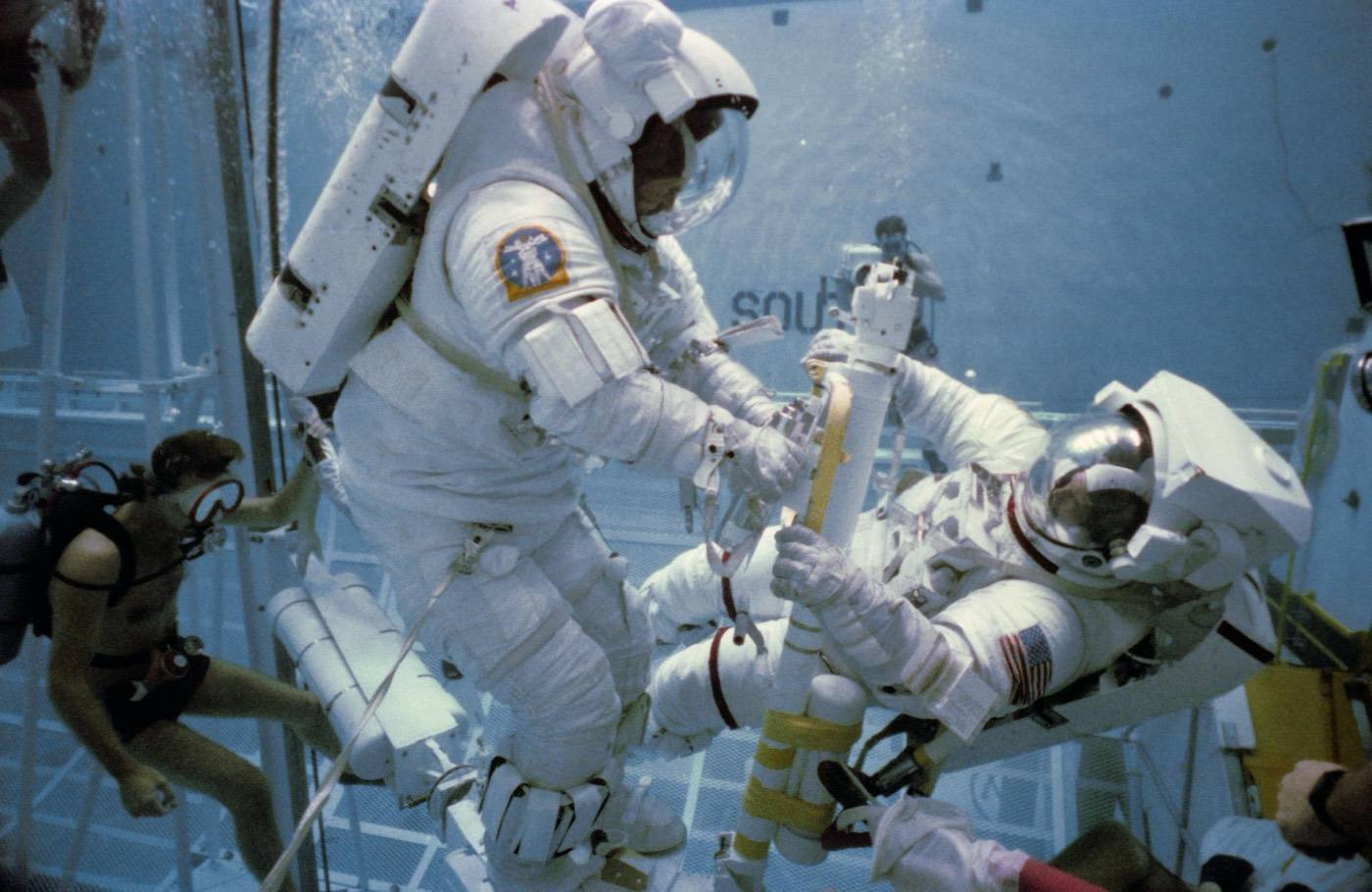
Understanding the Satellite Landscape
As we stand at the precipice of the space age, the recent failure of several satellites has sent shockwaves through both the scientific community and the public at large. These satellites, which serve critical roles in communications, weather forecasting, and military operations, are lifelines that many take for granted.
Earlier this week, a renowned satellite designed for weather monitoring experienced a catastrophic failure, leading to widespread speculation about the reliability of our ever-growing satellite network. This incident is not an isolated case; rather, it follows a pattern of technical malfunctions that raises questions about the durability and oversight of these complex systems.
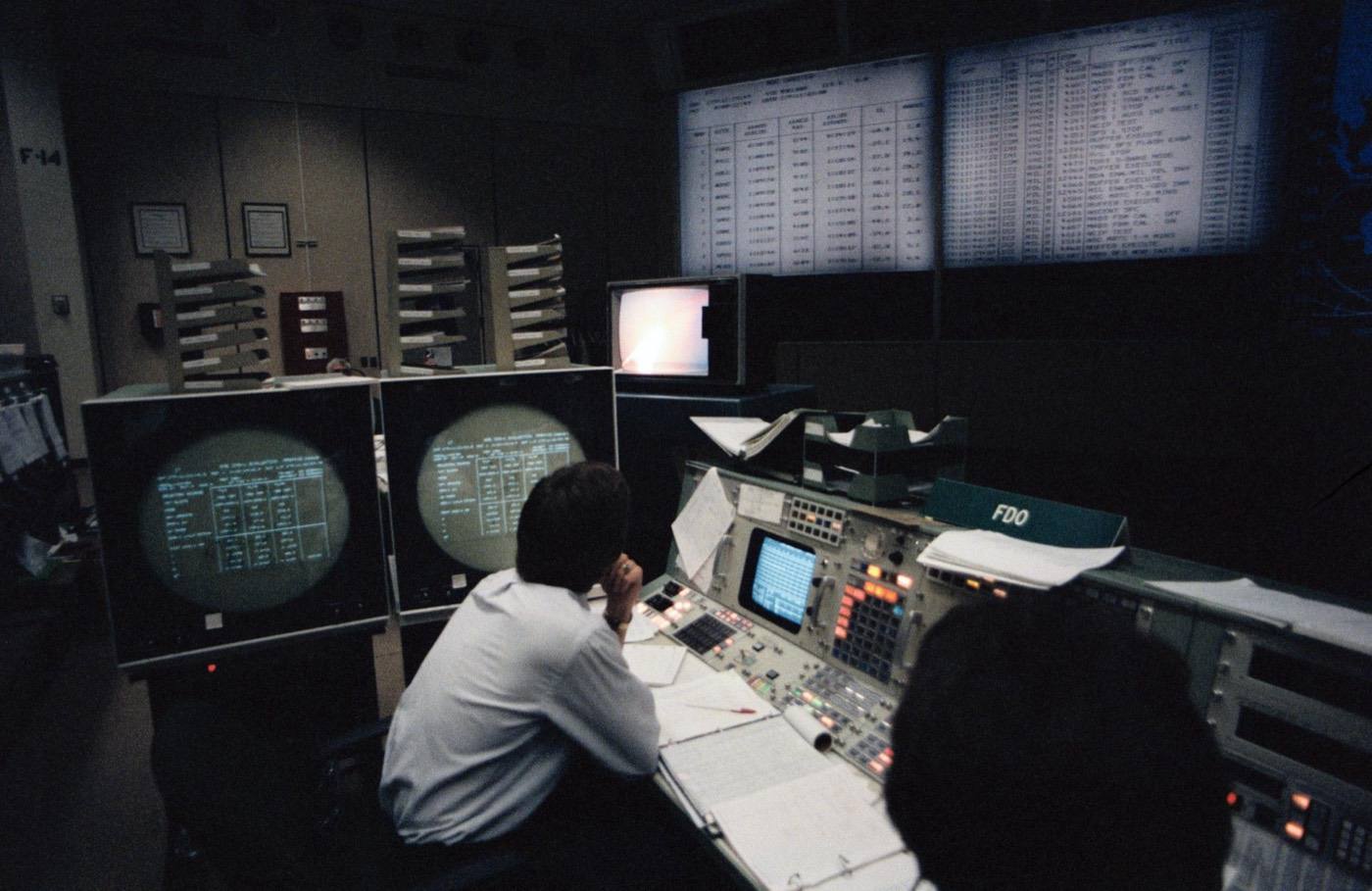
The Implications of Failure
For the average citizen, the implications of such failures may seem remote. However, the consequences can be profound. Weather forecasts, which many depend on for everyday planning, rely heavily on the data provided by these satellites. With the accuracy of predictions hanging in the balance, the threat of miscommunication looms larger than ever.
Moreover, the military applications of satellites cannot be ignored. A failure in a communication satellite could lead to a breakdown in coordination during critical operations. The potential for such a failure to affect national security is a topic that demands attention from both policymakers and the public.
"Our growth in satellite technology must be matched by an unwavering commitment to quality and reliability." - An unnamed industry expert
Political Responses: A Divided Front
The political environment surrounding space technology is as polarized as the political landscape itself. On one side, advocates for increased investment in technology argue that we must continue to push the boundaries of what is possible. They claim that failure is a necessary step on the road to innovation, emphasizing that setbacks should not deter us from our goals.
Conversely, critics from the left express concerns about the reckless spending on advanced technologies, suggesting that funds should be redirected toward pressing social issues, such as education and healthcare. They argue that our focus on space exploration detracts from the responsibility we have to address the needs of our citizens here on Earth.
This tug-of-war between innovation and social responsibility illustrates a broader debate in our society. Should we prioritize the advancement of technology, or should we focus on solving immediate human problems? The answer is not simple, and both sides have merit in their arguments.
A Call for Balance
As we navigate this complex issue, it becomes clear that a balanced approach is necessary. We must ensure that our technological pursuits do not overshadow our obligation to our fellow citizens. Furthermore, as we invest in space technology, we must demand accountability and reliability from the companies and agencies involved.
It is crucial that as we strive for progress, we do not lose sight of the human element. Are we merely chasing the next technological breakthrough without considering the implications of such advancements? The challenge lies in finding a middle ground that allows for both innovation and accountability.
Looking Ahead
As the debate unfolds, it is vital for all stakeholders - scientists, policymakers, and citizens - to engage in a thoughtful dialogue about the direction of our technological advancements. The future of satellite technology, and indeed our broader technological landscape, depends on it.
In the coming weeks, we can expect more discussions on the reliability of satellite technology and how it impacts our daily lives. It is essential for the public to remain informed and engaged as these issues develop. Only by coming together can we forge a path that respects both our ambitions and our responsibilities.
✦ ✦ ✦