From the file. Written for the paper dated April 1984. Opened in the public stacks July 14, 2026.
As the dust settles from the recent cabinet nomination announcements, the spotlight inevitably fades from the nominees themselves to the procedure that brought them to the forefront. Yet, this quiet, often overlooked process is where the real implications lie for our democracy and governance.

The Nomination Process: A Necessary Evil?
In an election year, cabinet nominations become a hot topic, yet the procedures that guide these selections often remain shrouded in bureaucracy. The nominees, who will ultimately shape policy and governance, are often thrust into the limelight without a thorough examination of how they were chosen. The process is riddled with political maneuvering, backroom deals, and a lack of transparency that could raise concerns among the electorate.
The growing tension on both sides of the political aisle has led to a cacophony of partisan rhetoric that often overshadows the substance of the nominations themselves. On one hand, we have the left, championing a progressive agenda and calling for nominees that reflect a diverse and inclusive society. Yet, in their fervor, they sometimes overlook the qualifications of these individuals, focusing instead on identity politics. Meanwhile, the right counters with cries of elitism, demanding nominees who uphold traditional values, often at the expense of innovation and progress.
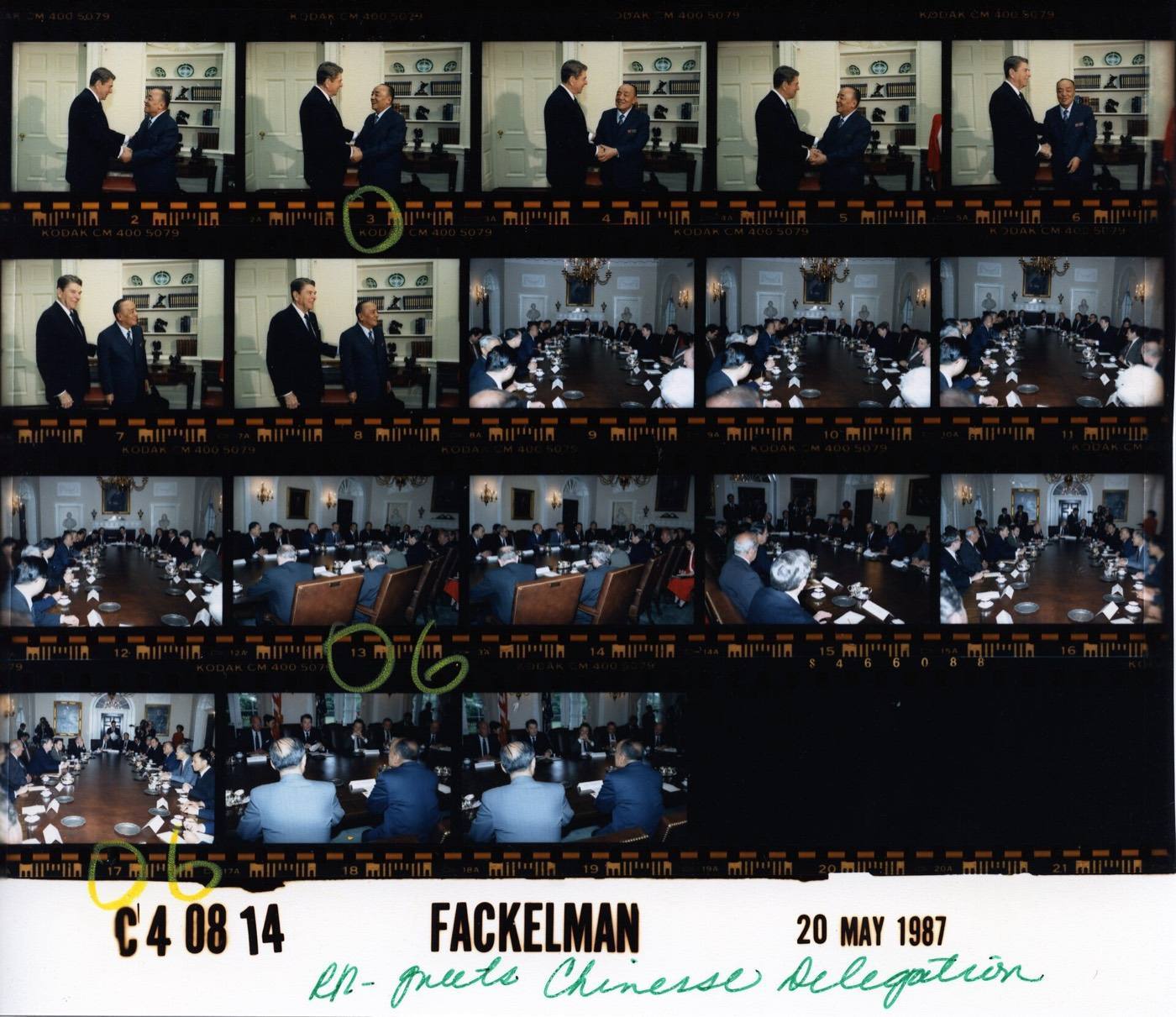
"The real implications lie in the process that brings these nominees to the forefront - one nobody wants to discuss."
Understanding the Stakes
The stakes are high when it comes to cabinet positions, as these individuals will influence critical policy decisions that affect millions of Americans. Yet, the nomination process often feels like a game, where political expediency takes precedence over genuine qualifications. As nominees endure the scrutiny of public hearings, the focus can quickly shift from their expertise to their political affiliations and personal lives, further complicating the already contentious process.
Moreover, the media plays a significant role in shaping the narrative surrounding nominations. Sensational headlines and soundbites often eclipse thoughtful discussion about the qualifications and policies proposed by the nominees. This frenzy can lead to a misinformed public, who may form opinions based on incomplete information rather than a nuanced understanding of the issues at hand.
Partisan Games: A Double-Edged Sword
As the political landscape becomes increasingly polarized, both parties seem to engage in a game of one-upmanship when it comes to cabinet nominations. The left often pushes for bold, progressive candidates, while the right seeks to reinforce traditional values, resulting in a tug-of-war that rarely leads to consensus. This constant back-and-forth not only hampers effective governance but also breeds disillusionment among constituents who are left wondering if their needs are being met.
Critics on both sides argue that the nomination process has become a reflection of the larger dysfunction in Washington. Instead of working together toward common goals, parties are entrenched in their positions, each unwilling to compromise. This environment creates a breeding ground for nominees who may be more interested in pleasing their party than serving the public interest.
Beyond the Nominees: The Need for Reform
It is time for a serious discussion about reforming the cabinet nomination process. The focus should not solely be on who is nominated but also on how the process can be made more transparent and accountable. This would involve a commitment from both parties to prioritize qualifications over political allegiances, allowing for a more equitable and effective governance structure.
Encouraging a culture of collaboration rather than competition could lead to better outcomes for all Americans. By fostering an environment where diverse perspectives can thrive, we can ensure that cabinet members are not only representative of our society but also equipped to tackle the pressing issues of our time.
As we move forward, let us not shy away from discussing the nomination process in earnest. It is a conversation that deserves our attention, for the implications of these cabinet selections extend well beyond the headlines. The future of our nation hinges on the ability to navigate this complicated landscape with integrity and purpose.
✦ ✦ ✦