From the file. Written for the paper dated March 1984. Opened in the public stacks July 14, 2026.
In an age where technology continually astounds us, a recent radar anomaly has raised eyebrows among scientists and enthusiasts alike. However, beneath the sensational headlines lies a rather mundane explanation that reveals the limitations of our current understanding of radar technology.
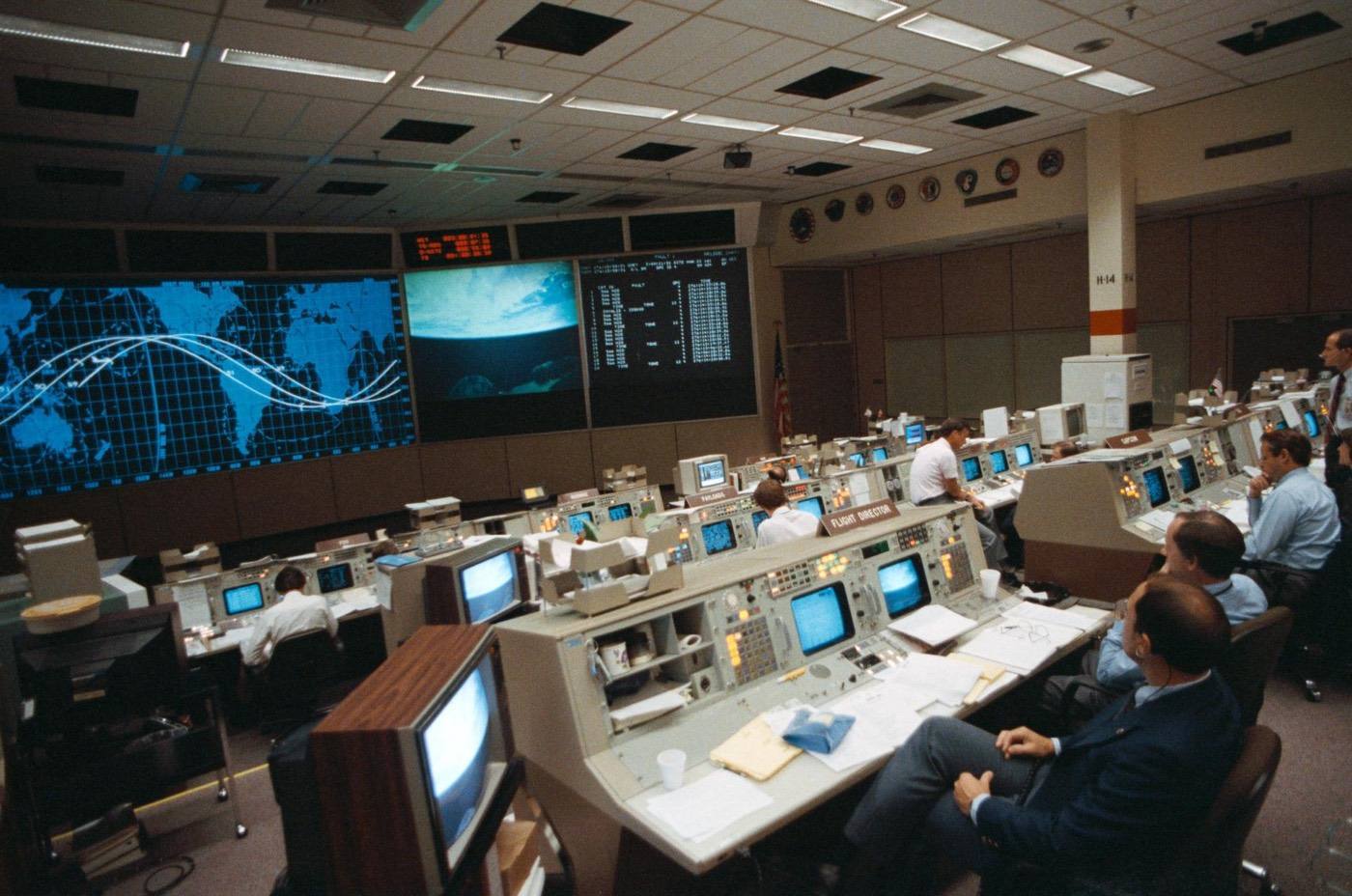
Understanding Radar Anomalies
Radar systems are critical for a variety of applications, from air traffic control to weather monitoring. These systems operate by emitting radio waves and analyzing the signals that bounce back after hitting an object. When anomalies occur - unexpected fluctuations or unusual patterns in the radar data - they often ignite a flurry of speculation about extraterrestrial life or advanced military technology. However, the truth is frequently far less thrilling.
In recent weeks, a radar anomaly was detected in the Midwest, capturing the attention of both the scientific community and the general public. Initial reports described unidentified objects appearing on radar screens, causing excitement about potential UFO sightings. However, as is often the case, a deeper investigation revealed that the anomaly could likely be attributed to atmospheric conditions and the inherent limitations of radar technology.

The Mechanics Behind the Noise
Radar systems are susceptible to various forms of interference, including weather phenomena, electronic noise, and even bird migrations. In the case of the recent anomaly, meteorological conditions such as temperature inversions and precipitation may have distorted the radar's readings. As warm air rises and cold air settles, it can create layers of atmospheric disturbances that scatter radar signals, leading to false positives on radar screens.
Moreover, the radar's technology itself is not infallible. Older systems, in particular, may struggle to differentiate between true targets and background noise. This limitation can lead to significant misinterpretations of the data. For instance, a flock of birds may appear as a singular object on radar, while heavy rain can create a similar effect by reflecting the radar waves in unpredictable ways.
"Anomalies can spark excitement, but the truth often reveals a more mundane reality."
The Consequences of Misinterpretation
The public's fascination with radar anomalies often leads to heightened scrutiny, and sometimes undue panic. This phenomenon is not new; every few years, an anomaly captures the collective imagination, resulting in speculation about alien visitors or advanced surveillance technologies. While it is natural to be curious about the unknown, we must also recognize the potential for misinformation.
On the left, there are those who may use such incidents to promote anti-science narratives, arguing that mainstream science is incapable of explaining the unexplainable. Conversely, on the right, some may exploit these anomalies to push for increased funding for military technology, suggesting that we are under threat from unknown aerial phenomena. Both sides risk falling into a trap of exaggeration, neglecting the critical thinking that should accompany scientific inquiry.
Scientific Accountability
As journalists, it is our responsibility to present the facts with clarity and precision. The allure of sensationalism can easily overshadow the importance of accountability in reporting. When examining radar anomalies, we must prioritize rigorous scientific investigation over speculative narratives. The scientific method, which relies on observation, hypothesis, experimentation, and analysis, should guide our understanding.
In this instance, the radar anomaly serves as a reminder: extraordinary claims require extraordinary evidence. While the excitement surrounding UFO sightings is undeniable, we must approach such claims with skepticism and an understanding of the underlying science. Only then can we hope to discern fact from fiction.
Conclusion
As we navigate the complexities of radar technology and the anomalies that accompany it, we must remember that the truth is often less glamorous than the stories we create around it. While it is easy to be swept away by the allure of extraterrestrial speculation, we owe it to ourselves and to the public to engage in responsible journalism that prioritizes scientific integrity. The radar anomaly may have sparked our imaginations, but the mechanisms behind it remind us that sometimes the most exciting discoveries are the ones grounded in reality.
✦ ✦ ✦