From the file. Written for the paper dated January 1984. Opened in the public stacks July 14, 2026.
In the wake of a recent food safety recall, a notable tension has emerged between public claims surrounding food security and the reality presented by the available records. The discrepancy calls into question the adequacy of current regulations and the efficacy of communication between government agencies and consumers.
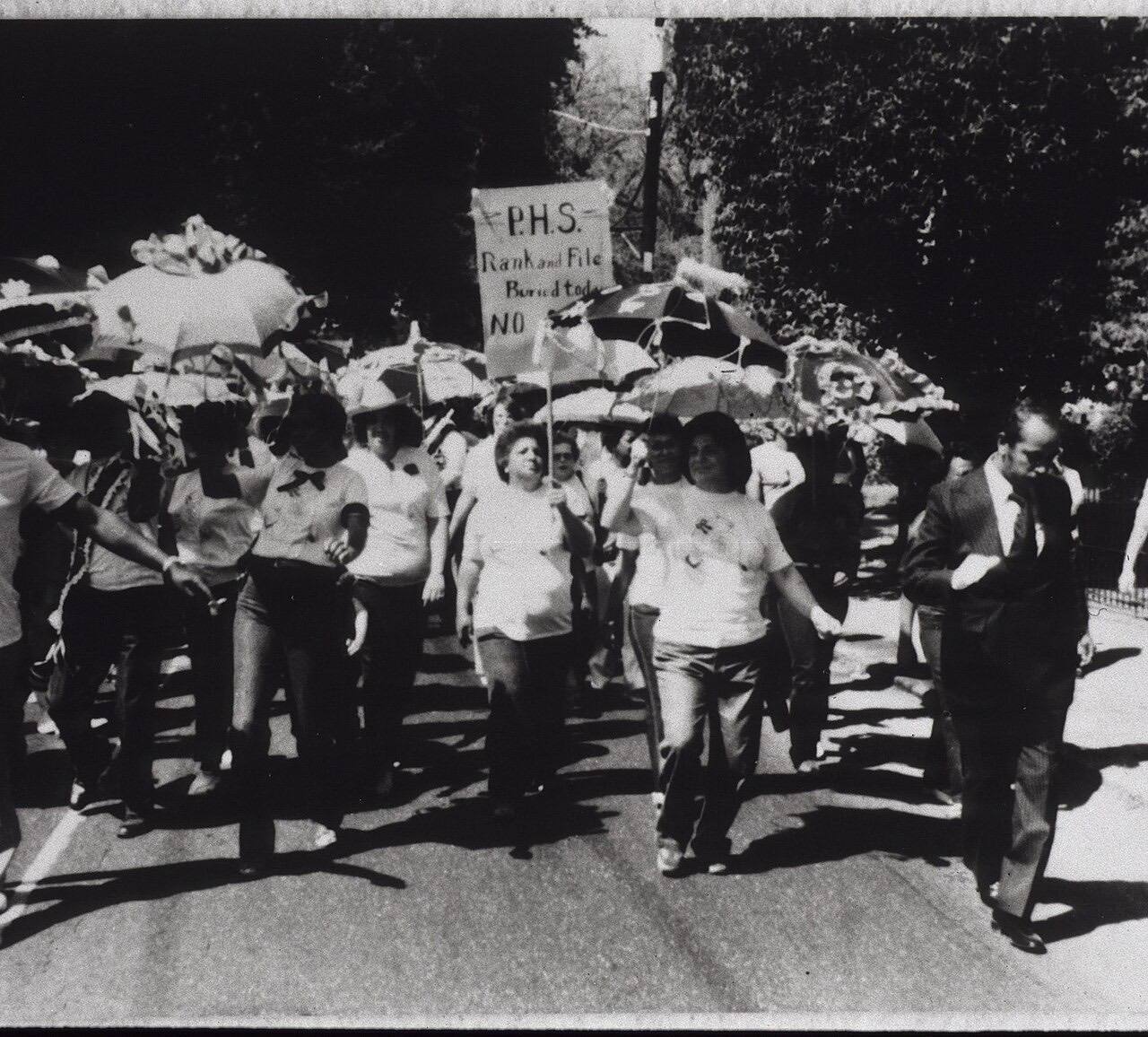
Understanding the Recall
Earlier this month, the Department of Agriculture announced a widespread recall of certain packaged meats due to contamination fears. The recall was triggered after inspections revealed the presence of harmful bacteria, prompting immediate action to protect public health. However, while the recall was framed as a decisive measure to safeguard consumers, many are left wondering if such recalls are frequent enough and if they are being handled transparently.
In the official statements, government representatives touted the effectiveness of the food safety system, claiming it works tirelessly to ensure that the food supply remains safe. Yet, the sheer volume of recalls in recent months raises important questions about the actual state of food safety in America. Are consumers truly protected, or are they merely placated by reassurances?
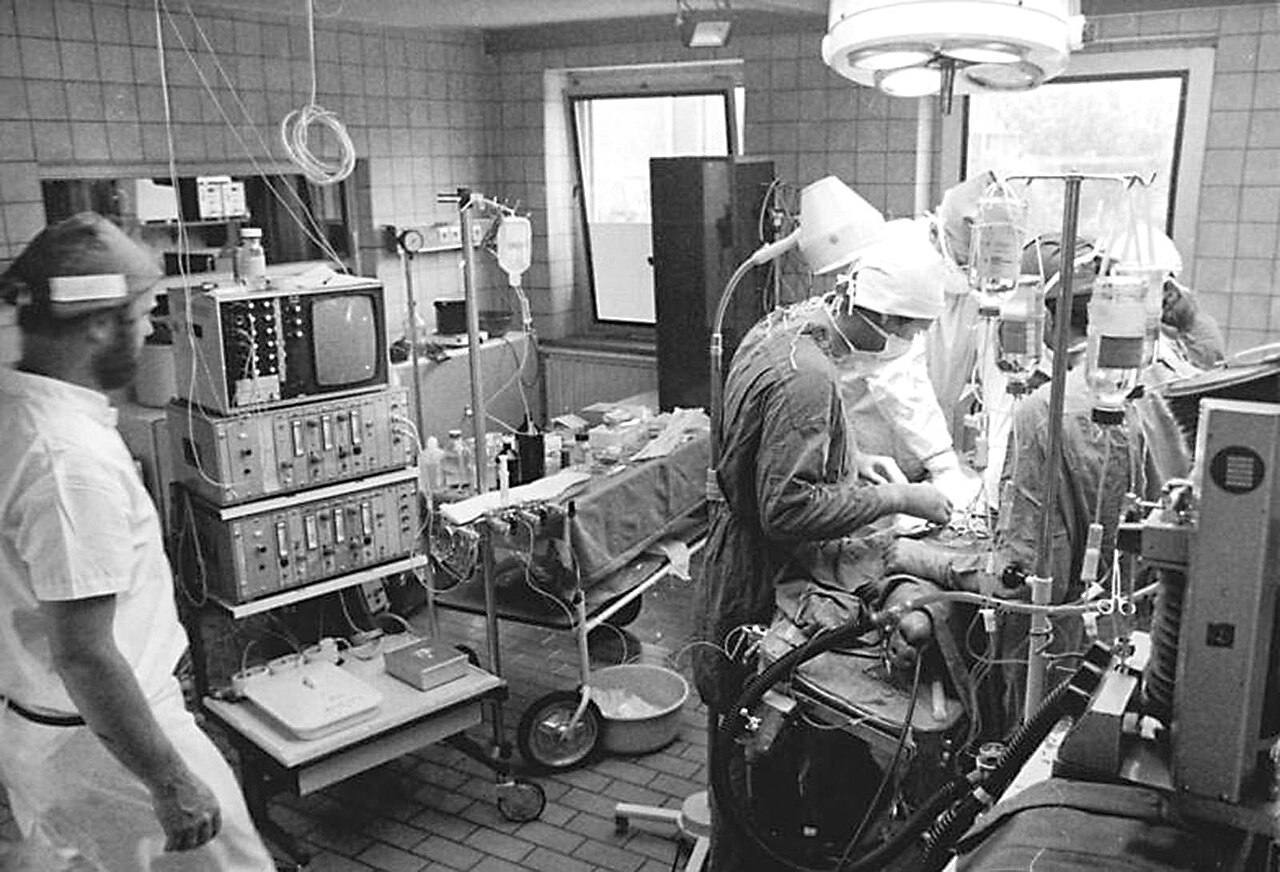
Claims vs. Reality
The government’s claims about food safety often paint an optimistic picture, one that suggests strict oversight and a reliable system to catch potential hazards before they reach consumers. However, the record tells a different story. With each recall, the narrative of safety falters, revealing systemic issues that contribute to a seemingly endless cycle of contamination and consumer alarm.
"Are consumers truly protected, or are they merely placated by reassurances?"
The food industry, too, plays a role in this dynamic. While many companies assert their commitment to safety and quality, the reality often falls short. The pressure to maximize profits can lead to corners being cut, resulting in lapses in safety protocols that jeopardize public health. The recent recall serves as a stark reminder that both government oversight and corporate responsibility are crucial in maintaining food safety.
Excesses on Both Sides
In the current political climate, both sides of the aisle seem to be taking extreme positions on food safety. On the left, there are calls for sweeping regulations that would impose strict controls on the food industry, often ignoring the complexities and realities faced by producers. Such measures could inadvertently drive up costs for consumers and limit access to certain products, ultimately harming the very population they aim to protect.
On the right, there is a tendency to dismiss concerns about food safety altogether, arguing that government regulation stifles innovation and economic growth. This perspective often overlooks the fundamental purpose of regulation: to ensure the health and safety of the public. The dismissal of food safety concerns can lead to complacency, allowing dangerous practices to persist under the guise of free-market principles.
The Need for Balanced Solutions
As concerns surrounding food safety continue to grow, it is imperative that a balanced approach is adopted. Rather than succumbing to the extremes of regulatory overreach or under-regulation, policymakers must strive for a middle ground that prioritizes consumer safety while also considering the needs of the food industry.
Enhanced transparency is essential. Consumers deserve to be informed not only about recalls but also about the conditions that led to such decisions. A more open dialogue between government agencies, food producers, and the public could foster greater trust and accountability within the food system.
Moreover, the role of education cannot be overstated. Equipping consumers with information about food safety practices can empower them to make informed choices. This includes understanding the importance of proper food handling, storage, and preparation, which can significantly reduce the risk of foodborne illnesses.
Conclusion
As we navigate the complexities of food safety, it is vital to remain vigilant and critical of both government claims and corporate practices. The recent recall serves as a powerful reminder of the ongoing challenges we face in ensuring the safety of our food supply. By pushing for accountability from both sides and advocating for balanced solutions, we can work towards a food system that truly prioritizes public health and safety.
✦ ✦ ✦