From the file. Written for the paper dated January 1984. Opened in the public stacks July 14, 2026.
As Congress grapples with the budget standoff, the public discourse is rife with claims that often diverge sharply from the reality of fiscal responsibility and governance.

Political Grandstanding on Display
The current budget standoff is not merely a display of partisan divides but a vivid exhibition of political grandstanding. On one side, the Democrats accuse their Republican counterparts of being reckless spenders, while the Republicans brandish accusations of fiscal irresponsibility at the Democrats. Both parties seem more concerned with scoring political points than with addressing the pressing financial realities facing the nation.
As the debate unfolds, the rhetoric is filled with sweeping claims that do not always correlate with the legislative record. For instance, Democrats have recently criticized the defense spending increases as excessive, arguing that they divert funds from critical domestic programs. Meanwhile, Republicans counter with claims that such spending is essential for national security. The irony is that both sides often neglect the broader context of their own past decisions.
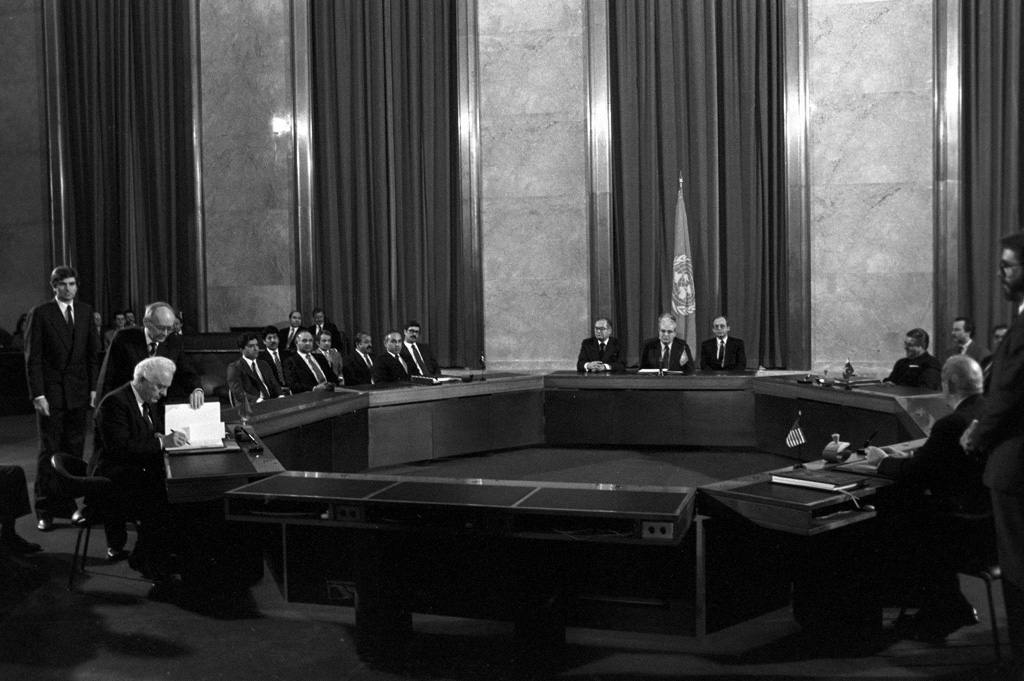
"Both parties seem more concerned with scoring political points than with addressing the pressing financial realities facing the nation."
The Disconnect Between Claims and Reality
In this charged atmosphere, it becomes crucial for the public to sift through the rhetoric and understand the actual implications of the proposed budgets. The claims made by both parties often gloss over the underlying complexities of fiscal policy. For instance, while it is true that defense budgets have ballooned under the current administration, it is equally true that many domestic programs have been left unfunded or underfunded, leading to a crisis in essential services.
Furthermore, the Democrats' calls for increased social spending often fail to recognize the long-term economic implications of such policies. While expanding social programs may appeal to voters, the sustainability of such programs is rarely addressed in the current dialogue. The focus on immediate gratification can lead to detrimental effects on the future fiscal health of the nation.
Public Sentiment and Media Responsibility
Public sentiment regarding the budget standoff reveals a growing frustration with both parties. Many citizens feel caught in the crossfire, as essential services suffer while politicians engage in a blame game. As voters, we must demand accountability and transparency, urging our representatives to prioritize the nation’s economic stability over personal political ambitions.
The media, too, bears a responsibility to navigate these turbulent waters with clarity and integrity. In a time when sensationalism can easily overshadow substance, it is imperative for journalists to provide context and insight into the budget discussions. Merely reporting the latest fiery exchange between party leaders will not suffice; the media must also delve into the implications of the proposed policies and the historical precedents that shape current debates.
"Many citizens feel caught in the crossfire, as essential services suffer while politicians engage in a blame game."
Charting a Path Forward
As the nation stands at an impasse, a more constructive approach to budget discussions is needed. Both parties must break free from the cycle of excess and instead embrace a spirit of compromise. This means acknowledging the merits and shortcomings of each other's positions and working together to create a budget that reflects the needs and aspirations of all Americans.
The budget is not merely a ledger of numbers; it is a reflection of our national values and priorities. As we move forward, let us strive for a budget that balances defense needs with social responsibilities and economic growth. Only through collective action can we ensure that future generations inherit a nation that is both secure and prosperous.
✦ ✦ ✦