From the file. Written for the paper dated December 1983. Opened in the public stacks July 14, 2026.
In a political landscape increasingly defined by hyperbole and half-truths, the need for honesty in rhetoric has never been more pressing. As the left and right engage in a battle of narratives, the institutions meant to uphold truth seem to be protecting their own interests rather than the public's.
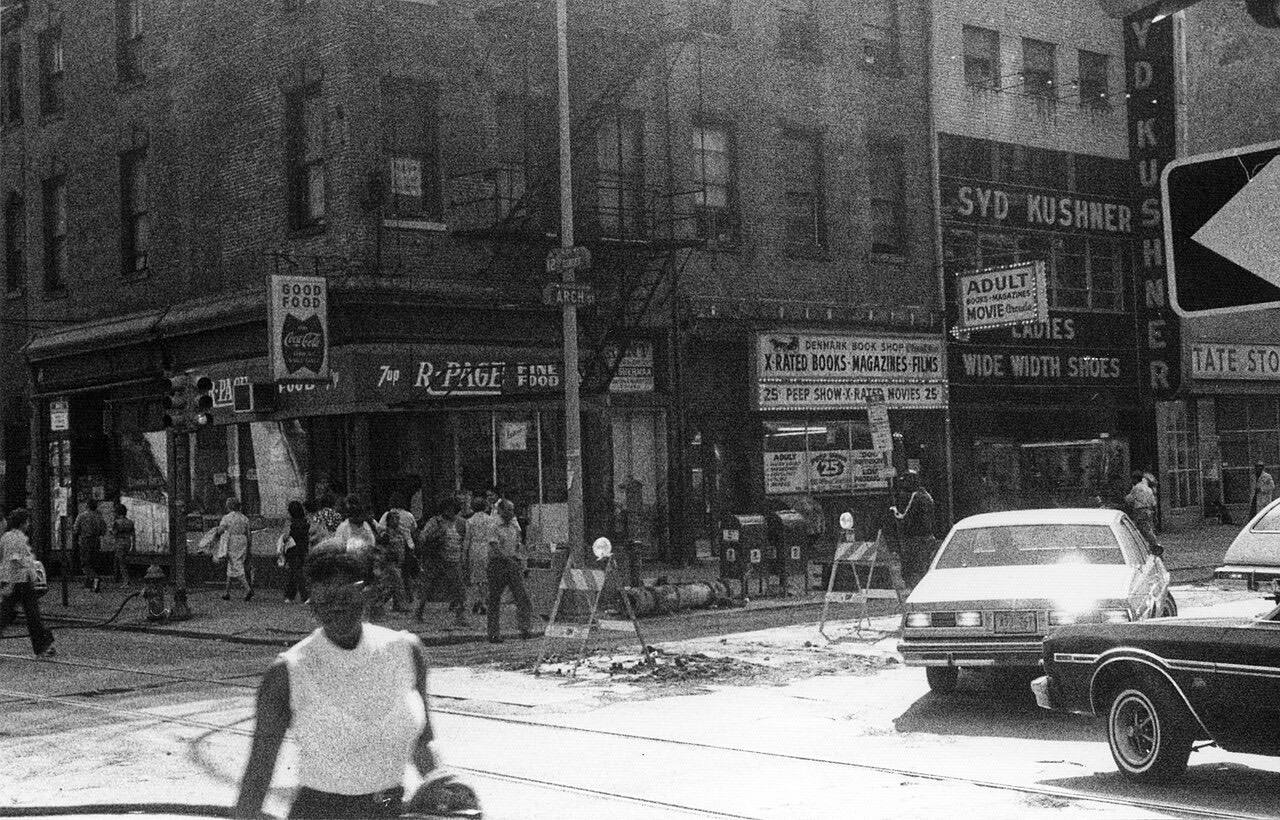
The Double-Edged Sword of Rhetoric
Rhetoric, an art form that can illuminate or obfuscate, has become a weapon wielded by both sides in the political arena. The left often champions the cause of social justice and equality, yet in their fervor, they sometimes resort to exaggeration or selective data presentation that undermines their credibility. On the other hand, the right, with a focus on traditional values and fiscal conservatism, can fall prey to oversimplified arguments that fail to address the complexities of modern society.
"The institutions meant to uphold truth seem to be protecting their own interests rather than the public's."
In a time when the stakes are high, both parties risk alienating those they seek to serve. The public is left to sift through a morass of conflicting messages, each more sensational than the last. This is not merely a matter of partisan politics; it speaks to a broader failure of our institutions that are supposed to be the arbiters of truth.

The Role of Media in Shaping Perception
Our media landscape is a microcosm of the excesses found on both the left and right. News outlets increasingly cater to specific ideological bases, leaving viewers with a skewed understanding of reality. The sensationalism that dominates many headlines serves to ignite passions rather than foster informed debate. This is not just a problem of misinformation; it is a crisis of trust. When the public perceives media as biased, they are less likely to engage with information that challenges their preconceptions.
The Erosion of Accountability
Institutions, whether they be government entities or media organizations, are meant to be bastions of accountability. Yet, they often prioritize their own narratives over honesty. The political left can be seen rallying behind causes that resonate with their base but may overlook genuine concerns when they don't fit their agenda. Likewise, the political right frequently shields its positions with a cloak of patriotism that can stifle dissenting voices.
This lack of accountability fosters an environment where dishonesty thrives. Politicians from both sides often dodge scrutiny, spinning narratives that suit their purposes while leaving the public disillusioned. The result is a populace that is increasingly cynical about the motives of those in power.
Bridging the Divide
To restore faith in our institutions, we must demand a return to honesty in rhetoric. This begins with the acknowledgment that complexity exists in every issue. Simplistic narratives do not serve the public good; they obscure the truth. Both the left and the right need to engage in more nuanced discussions that encompass a range of perspectives, rather than retreating to echo chambers that reinforce their biases.
"Simplistic narratives do not serve the public good; they obscure the truth."
Accountability must also be restored within our institutions. Media organizations should strive for impartiality and rigor in reporting, while political leaders must be held to higher standards of honesty. Voters, too, have a role to play. We must be willing to challenge our own beliefs and seek out information that may contradict our established views.
A Call to Action
As we look towards the future, the onus is on us - citizens, media, and politicians alike - to push for a revival of honesty in rhetoric. It is time to confront the excesses of both the left and right. We must demand that our leaders not only speak truthfully but also engage with the complexities of the issues at hand.
The path forward will not be easy, but it is necessary if we are to rebuild the trust that has eroded over the years. Only through honest discourse can we hope to bridge the divides that have come to define our political landscape. The challenge is great, but the potential for a more informed and engaged citizenry is worth the effort.
✦ ✦ ✦