From the file. Written for the paper dated September 1983. Opened in the public stacks July 14, 2026.
As the nation grapples with an ever-evolving economic landscape, the state of the supply chain has emerged as a focal point for both criticism and concern. This week, we delve into the numbers and trends that define the current supply chain environment.
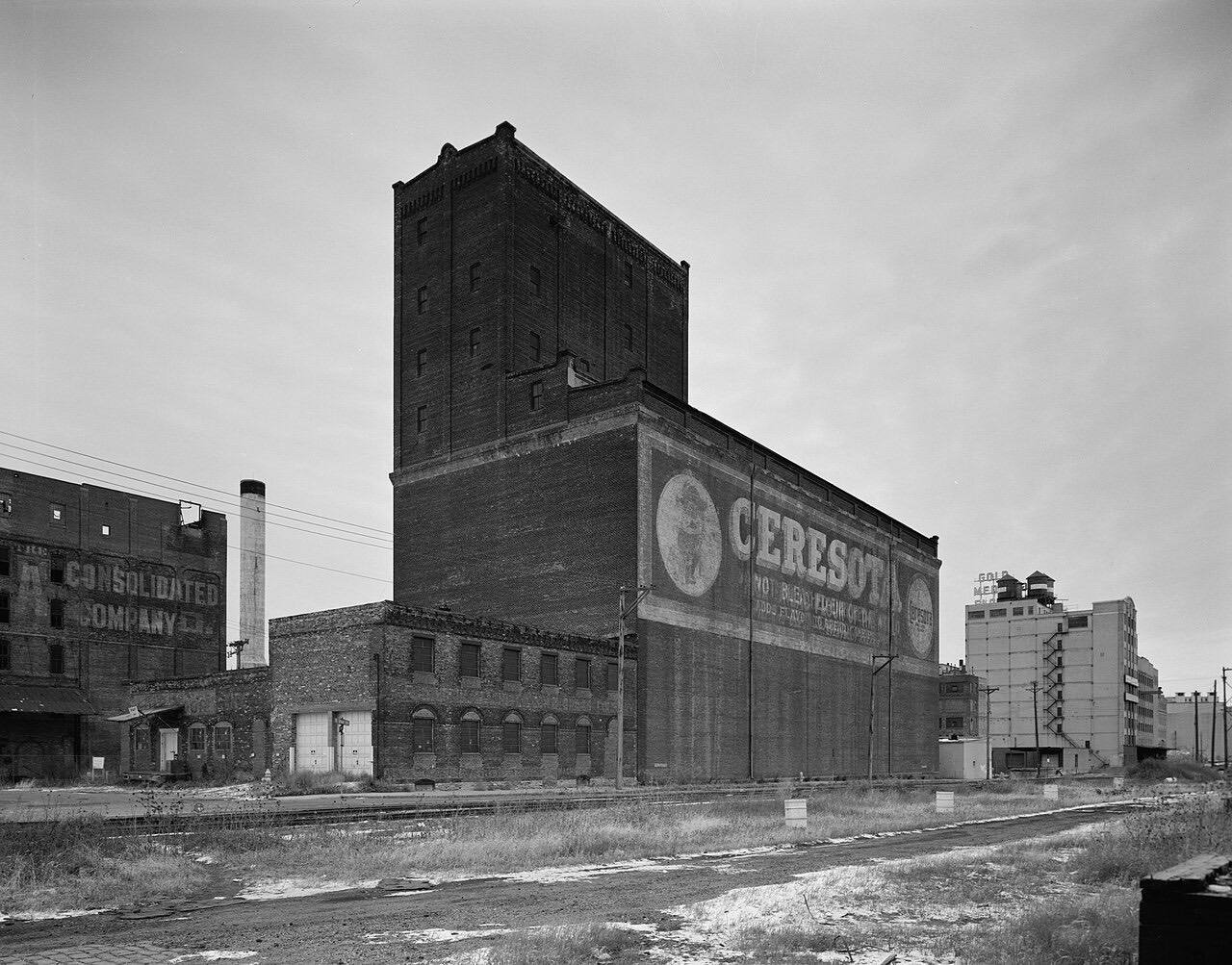
The State of Supply Chains: A Mixed Bag
In recent weeks, reports indicate a complex picture for American supply chains. While some sectors have seen improvement, others continue to struggle under the weight of inflation and shifting consumer demands. The manufacturing sector, for instance, is experiencing a resurgence, but the distribution of goods remains hampered by logistical challenges.
According to the latest figures, the manufacturing output has increased by 3 percent in August, signaling a potential turnaround for industries that have been sluggish. Yet, this growth is juxtaposed against a backdrop of rising costs. The price index for materials has jumped by 5 percent, raising concerns about whether this upward momentum can be sustained.

"The numbers tell a story of resilience, but there are clouds on the horizon."
Transportation Woes: A Bottleneck for Progress
Transportation remains a significant bottleneck in the supply chain. Delays at key ports have escalated, with reports suggesting that congestion in major shipping hubs has increased by 20 percent. These delays are attributed to a combination of increased shipping volume and labor disputes that have plagued the maritime industry.
In the wake of these challenges, companies are scrambling to adapt. Many are exploring alternative shipping methods, including rail transport, which has seen a slight uptick in usage. However, this shift has its own drawbacks, as rail networks are also grappling with capacity issues. The confluence of these factors raises questions about the long-term sustainability of current practices.
Consumer Behavior: An Evolving Landscape
Consumer behavior is another critical aspect influencing the supply chain. With inflation affecting disposable income, shoppers are becoming more selective about their purchases. Recent surveys indicate that nearly 60 percent of consumers are prioritizing value over brand loyalty, a trend that could reshape market dynamics.
Retailers are responding by enhancing their supply chain strategies. Many are investing in technology aimed at improving inventory management and forecasting. However, the costs associated with these upgrades can be daunting, particularly for small and medium-sized enterprises. The balancing act between investment and cash flow remains a hot topic among business leaders.
Political Overtones: The Left and Right Debate Supply Chain Policy
As the supply chain crisis unfolds, political factions are quick to leverage the situation for their agendas. On the left, some policymakers are advocating for increased regulation and support for labor unions, arguing that better working conditions and wages will alleviate some of the challenges facing the industry. However, this approach risks stifling innovation and burdening businesses with additional costs that could further disrupt supply chains.
Conversely, the right is promoting deregulation and tax incentives aimed at stimulating growth. While these measures may seem appealing, they often overlook the need for a balanced approach that considers the well-being of workers and consumers alike. The push for rapid deregulation might lead to a race to the bottom in terms of labor standards, ultimately harming the very economy they seek to bolster.
"In the rush to find solutions, both sides risk oversimplifying a complex issue."
Looking Ahead: Solutions and Strategies
The challenges facing supply chains are undeniably complex, requiring a multifaceted approach. Businesses need to collaborate with public officials to create sustainable policies that address both economic growth and social responsibility. The current environment demands innovative solutions, whether through technology or rethinking logistics strategies.
Moreover, as the economy continues to evolve, adaptability will prove to be crucial. Companies that can pivot quickly to meet changing consumer demands will likely emerge as leaders in their industries. The focus must remain on building resilient supply chains that can withstand shocks while delivering value to customers and workers alike.
✦ ✦ ✦