From the file. Written for the paper dated August 1983. Opened in the public stacks July 14, 2026.
In an age where political scandals seem to dominate the headlines, the fervor surrounding these events raises critical questions about public trust and the processes that govern our institutions. As we delve into the current climate of certainty, we must assess the consequences of both left and right excesses on our democratic fabric.
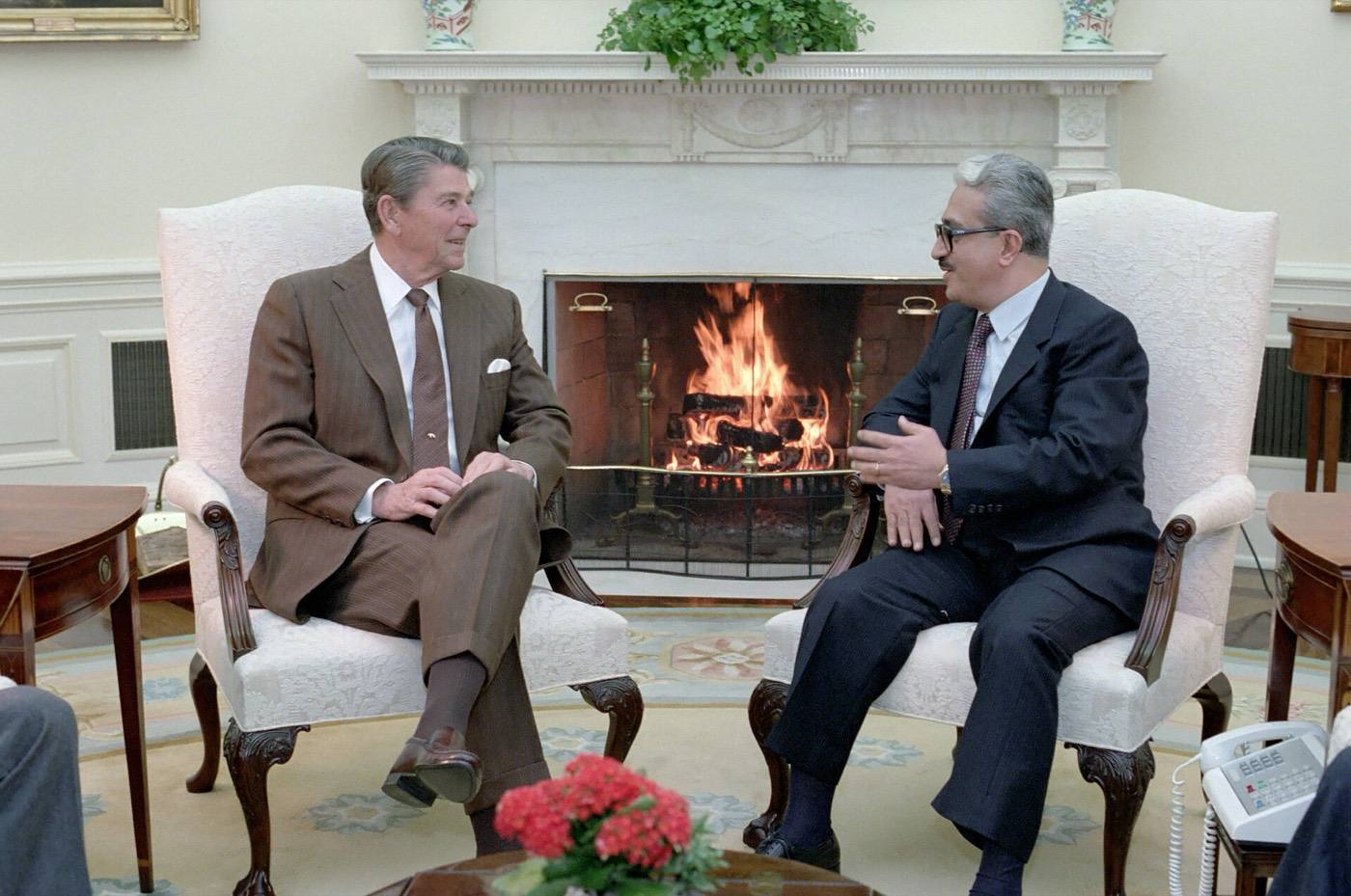
Political Scandals and the Public
Political scandals have a way of capturing the public's imagination, stirring emotions and igniting passions that can lead to both fervent support and vehement opposition. The recent series of events involving high-ranking officials has underscored the fragility of public trust in government. Whether it is allegations of corruption, abuse of power, or ethical lapses, the fallout from these scandals extends beyond the individuals involved, often affecting entire administrations.
On one hand, the left has positioned itself as the champion of accountability, creating a narrative that paints the opposition as a haven for corruption and self-interest. This has led to a culture where the pursuit of scandal can overshadow meaningful policy discussions. The constant barrage of accusations and investigations leaves little room for civil discourse, as the focus shifts to sensationalism rather than substantive debate.
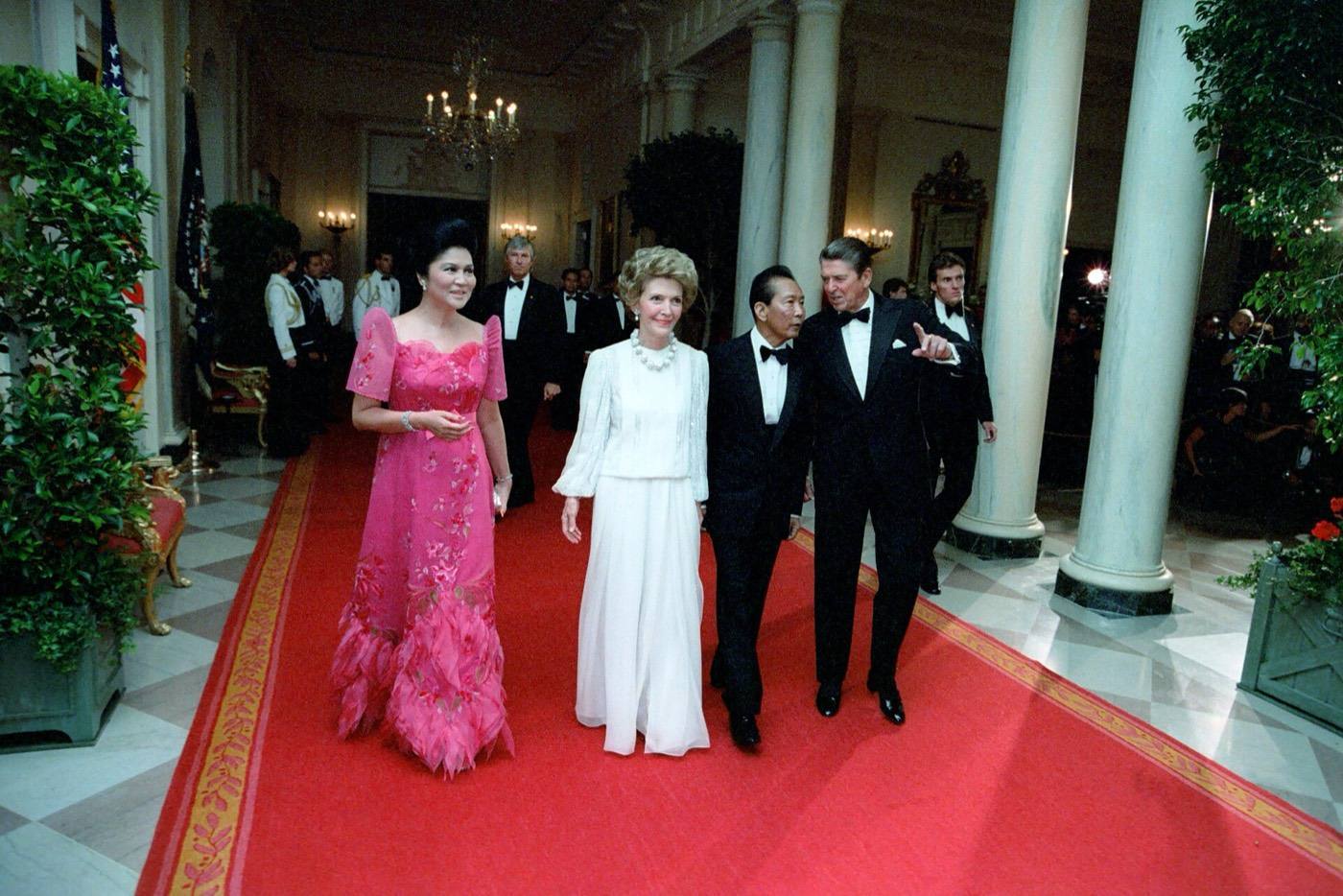
Conversely, the right has responded with its own brand of excess, often dismissing legitimate concerns as mere partisan attacks. This tactic not only undermines the credibility of the accusations but also perpetuates a cycle of mistrust among the electorate. The refusal to acknowledge wrongdoing, even in the face of overwhelming evidence, leads to a troubling normalization of unethical behavior among those in power.
The Economy of Certainty
The current atmosphere of political scandal has created an economy of certainty, where narratives are simplified and polarized. People are drawn to sources that provide clear-cut answers, often at the expense of nuance and complexity. This trend is particularly evident in the media landscape, where soundbites and sensational headlines trump in-depth analysis and investigative journalism.
In this environment, certainty becomes a commodity - one that is eagerly sought after by a public weary of ambiguity and doubt. The left capitalizes on this by framing their arguments around moral clarity, often portraying themselves as the righteous defenders against a corrupt establishment. Meanwhile, the right rallies its base by painting dissenters as enemies of the state, invoking a sense of urgency and fear that resonates with their supporters.
"The constant barrage of accusations and investigations leaves little room for civil discourse."
The Cost of Divisiveness
As the left and right continue to engage in their respective excesses, the cost of divisiveness becomes increasingly apparent. The chasm between the two sides is widening, and with it, the potential for collaboration and compromise diminishes. This lack of unity not only hampers effective governance but also alienates a significant portion of the populace who yearn for a more collaborative approach to problem-solving.
Moreover, the culture of certainty can lead to the demonization of opposing viewpoints. Individuals who dare to question the prevailing narratives are often met with hostility, further entrenching the divides that plague our political landscape. The result is an environment where dialogue is stifled, and the potential for constructive engagement is lost.
Looking Forward
As we navigate this tumultuous period, it is imperative that citizens engage critically with the information presented to them. Embracing complexity and resisting the urge to seek out only those narratives that confirm our biases is essential for fostering a healthier political discourse. Both the left and right must recognize that their excesses can have detrimental effects on the very institutions they seek to protect.
In the face of scandal and the allure of certainty, we must strive for a more nuanced understanding of our political landscape. This means holding our leaders accountable while also acknowledging the broader systemic issues that contribute to the culture of corruption and mistrust. Only then can we hope to rebuild the foundations of our democracy and restore faith in our institutions.
A Call for Civil Discourse
In conclusion, the current landscape of political scandal and certainty necessitates a return to civil discourse. Citizens must demand transparency and accountability from their leaders while also engaging with the complexities of our political system. Both left and right must recognize the importance of dialogue and compromise in fostering a healthier democracy.
✦ ✦ ✦