From the file. Written for the paper dated July 1983. Opened in the public stacks July 14, 2026.
In a week marked by tensions and triumphs in union elections across the country, the bipartisan habit of selective memory reared its head once again. As workers head to the polls, the narratives that emerge from both the left and right often gloss over the complexities of labor rights and the changing economic landscape.
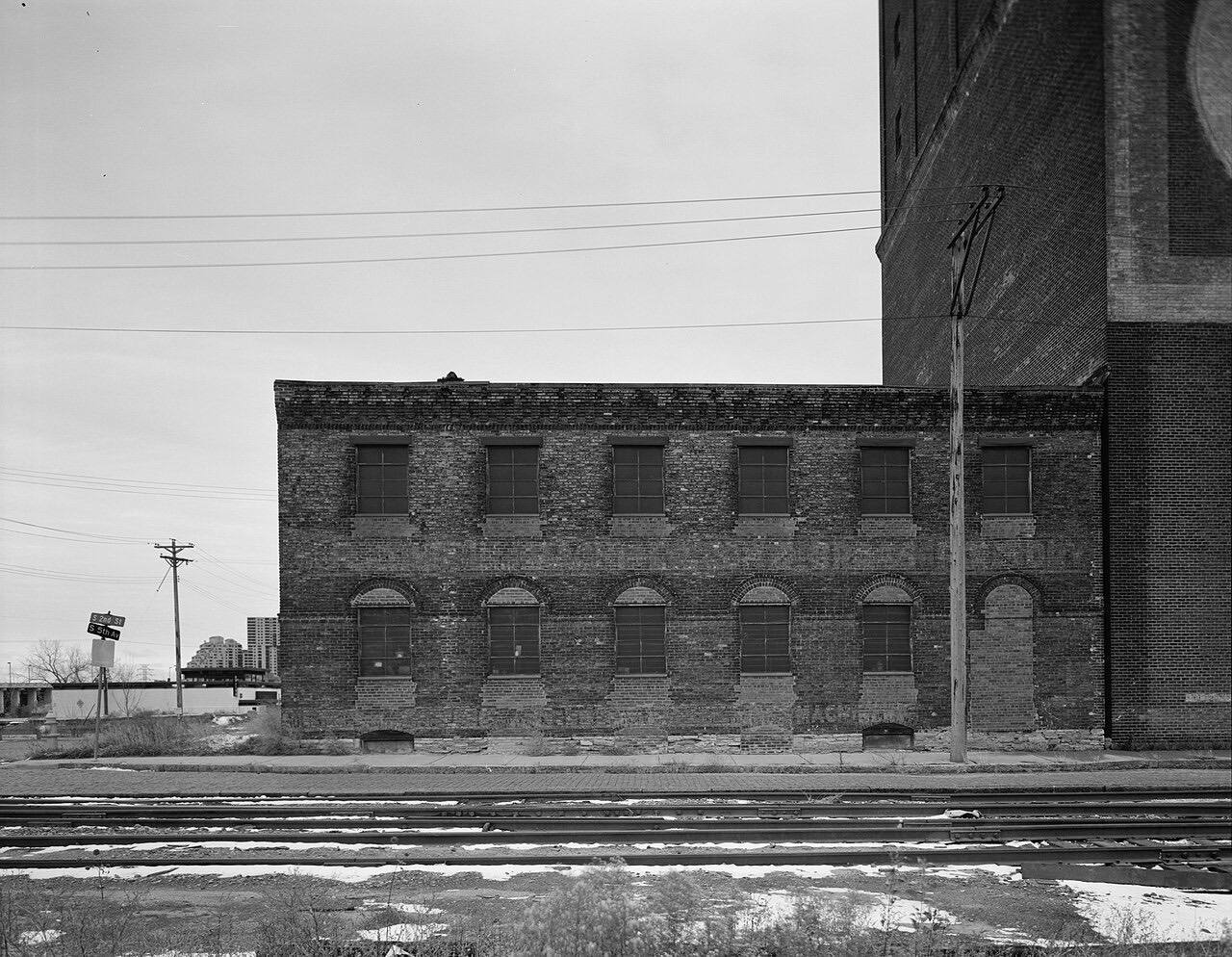
The Landscape of Labor in 1983
The atmosphere surrounding union elections has never been more charged. With the economy teetering on the edge of recession and unemployment levels rising, the stakes are high for both workers and employers. Labor unions, historically the backbone of the American workforce, are facing a critical juncture. On one hand, they strive to protect workers' rights and secure fair wages; on the other, they are often met with fierce opposition from corporations and politicians alike.
As union elections approach, one cannot help but notice how both sides of the political spectrum engage in a selective memory game. The left often recalls a glorious past of union victories and worker solidarity, while the right seizes upon the current economic struggles to paint unions as outdated relics of a bygone era.
"Both sides maintain a narrative that suits their agenda, often at the expense of workers' realities."
This selective memory has implications not only for the elections themselves but also for the future of labor in America. As unions mobilize to secure votes, they must contend with the realities of a changing economy that no longer resembles the industrial landscape of the past. The rise of technology and globalization poses challenges that cannot be ignored. Yet, the left seems to cling to the notion that a return to the past will solve current problems, while the right dismisses unions altogether, claiming they hinder economic growth.
Union Elections and Political Rhetoric
The rhetoric surrounding union elections has grown increasingly divisive. Democrats often tout workers' rights as central to their platform, yet many have been slow to embrace the changes necessary to adapt unions to the modern workforce. The right, on the other hand, often frames unions as obstacles to freedom, invoking the specter of government overreach. Such narratives are simplistic and fail to acknowledge the nuanced realities workers face today.
Union leaders argue that the collective bargaining power of unions is essential in securing better wages and working conditions. Yet, the narrative that unions automatically equate to worker empowerment is sometimes overshadowed by reports of corruption and mismanagement within some unions. This has been weaponized by opponents to undermine the legitimacy of union representation.
The Role of Media in Shaping Perceptions
Media coverage of union elections also reflects the bipartisan selective memory at play. Outlets tend to emphasize dramatic union victories or defeats, often neglecting the broader context that led to these outcomes. This creates a skewed perception of labor relations, which can further entrench partisan divides.
For instance, media narratives celebrating a union's successful strike may ignore the underlying economic factors that prompted that action. Conversely, coverage of union failures often fails to recognize the workers' struggles and the complex interplay of local economic conditions. A more balanced approach to reporting on labor issues is essential for fostering a genuine understanding of the challenges and opportunities facing workers today.
"The media's role is crucial in framing the labor narrative, yet it often fails to capture the full picture."
Looking Ahead: A Call for Unity
The upcoming union elections present a pivotal moment for workers across America. Instead of falling prey to the partisan narratives that dominate the discourse, it is imperative that workers and union leaders advocate for an inclusive approach to labor rights that acknowledges the changing realities of work in the 1980s.
Both the left and right must move beyond their selective memories and work together to create a framework that supports workers' rights while addressing the economic challenges of the present. This requires a willingness to listen to the voices of workers themselves, who often have the clearest insight into their needs and aspirations.
✦ ✦ ✦