From the file. Written for the paper dated July 1983. Opened in the public stacks July 14, 2026.
As the summer heat intensifies, discussions surrounding the energy grid have heated up as well, revealing a troubling pattern of selective memory among both sides of the political spectrum.
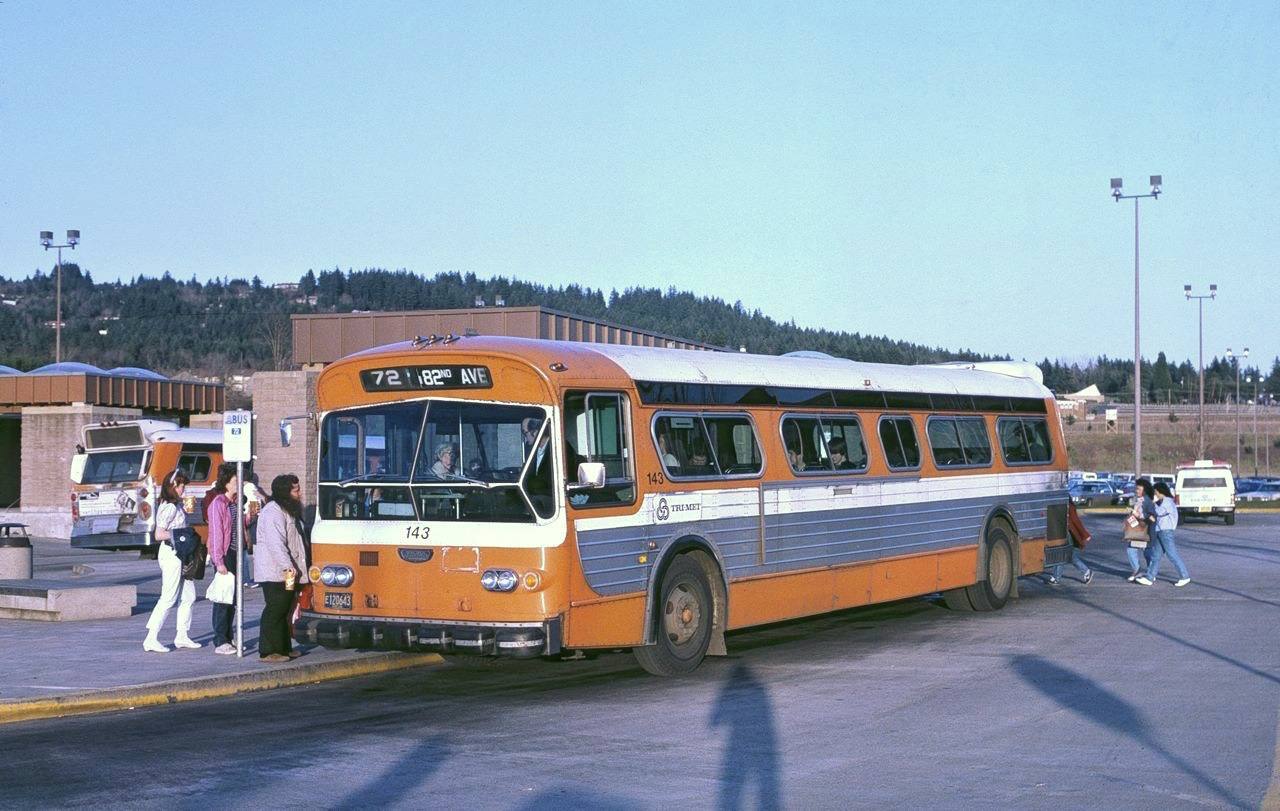
Energy Crisis Amnesia
The energy crisis of the 1970s has faded from the forefront of political discourse, yet its lessons remain painfully relevant. The left, in their push for renewable energy sources, often forgets the importance of a reliable and robust energy infrastructure. Meanwhile, the right tends to gloss over the necessity of environmental regulations aimed at protecting public health and safety. This bipartisan habit of selective memory only serves to undermine the urgency of addressing our current energy challenges.
"Energy policy should not be a tug-of-war between nostalgia and denial."
As Congress debates various energy initiatives, it is clear that both sides are guilty of overlooking critical facts. The left champions wind and solar energy, yet seems to ignore the reality that these sources alone cannot meet our growing energy demands without significant investment in grid technology and storage solutions. On the other hand, the right often touts the importance of fossil fuels, seemingly disinterested in the environmental costs that accompany such an approach.

Current Energy Challenges
With rising temperatures and increased demand for air conditioning, the energy grid faces unprecedented stress. In many regions, blackouts and energy shortages are becoming commonplace. A recent report indicated that several states are experiencing near-capacity usage, raising alarms over the sustainability of our current energy policies. This situation begs the question: how did we find ourselves here again?
Both parties must take responsibility for the current state of the energy grid. The left's advocacy for renewable energy, while admirable, must be matched with realistic plans for integration into our current infrastructure. Similarly, the right must acknowledge that ignoring environmental impacts is not a sustainable path forward.
The Role of Government
Government intervention has always played a critical role in shaping energy policy, but the discussions often devolve into partisan bickering rather than constructive solutions. Proposals from the left to subsidize renewable energy initiatives often run into roadblocks as the right pushes back against perceived government overreach. This creates an environment where neither side can see the forest for the trees, ultimately stalling progress.
Furthermore, both sides need to remember that the energy grid does not operate in a vacuum. International developments, such as the ongoing tensions in the Middle East and the resulting fluctuations in oil prices, impact our domestic energy strategy. The left often overlooks these global factors when advocating for a rapid transition to renewables, while the right fails to recognize the long-term implications of continued reliance on fossil fuels.
Public Sentiment and Awareness
Public awareness of energy issues is at a concerning low. Many citizens do not grasp the intricacies of energy policy, leading to a disconnect between the electorate and their representatives. This gap is particularly alarming considering the growing energy demands driven by technological advancements and population growth. As the public becomes more reliant on electricity, it is crucial for leaders to foster a more informed dialogue about energy needs and solutions.
Ultimately, the responsibility lies with both sides of the aisle to engage in honest discussions that prioritize the health and safety of the public over partisan politics. The current energy crisis is a stark reminder that selective memory serves only to hinder progress. It is imperative that lawmakers work collaboratively to develop a comprehensive energy policy that addresses both the immediate needs of our aging infrastructure and the long-term sustainability of our energy sources.
Looking Ahead
The future of our energy grid depends on our ability to learn from the past while remaining focused on the challenges ahead. As summer rolls on and demand surges, the time for action is now. Both the left and the right must set aside their differences and engage in meaningful discourse to create a resilient energy strategy that works for all Americans.
In conclusion, we must collectively break free from the shackles of selective memory. Recognizing the interdependence of energy sources, infrastructure, and environmental regulations is crucial for creating a sustainable future. The choice is clear: we can either face the reality of our energy needs or continue to languish in a state of denial.
✦ ✦ ✦