From the file. Written for the paper dated July 1983. Opened in the public stacks July 14, 2026.
The recent developments in artificial intelligence systems have sparked an intense debate, revealing a bipartisan penchant for selective memory that clouds our understanding of this rapidly evolving field.
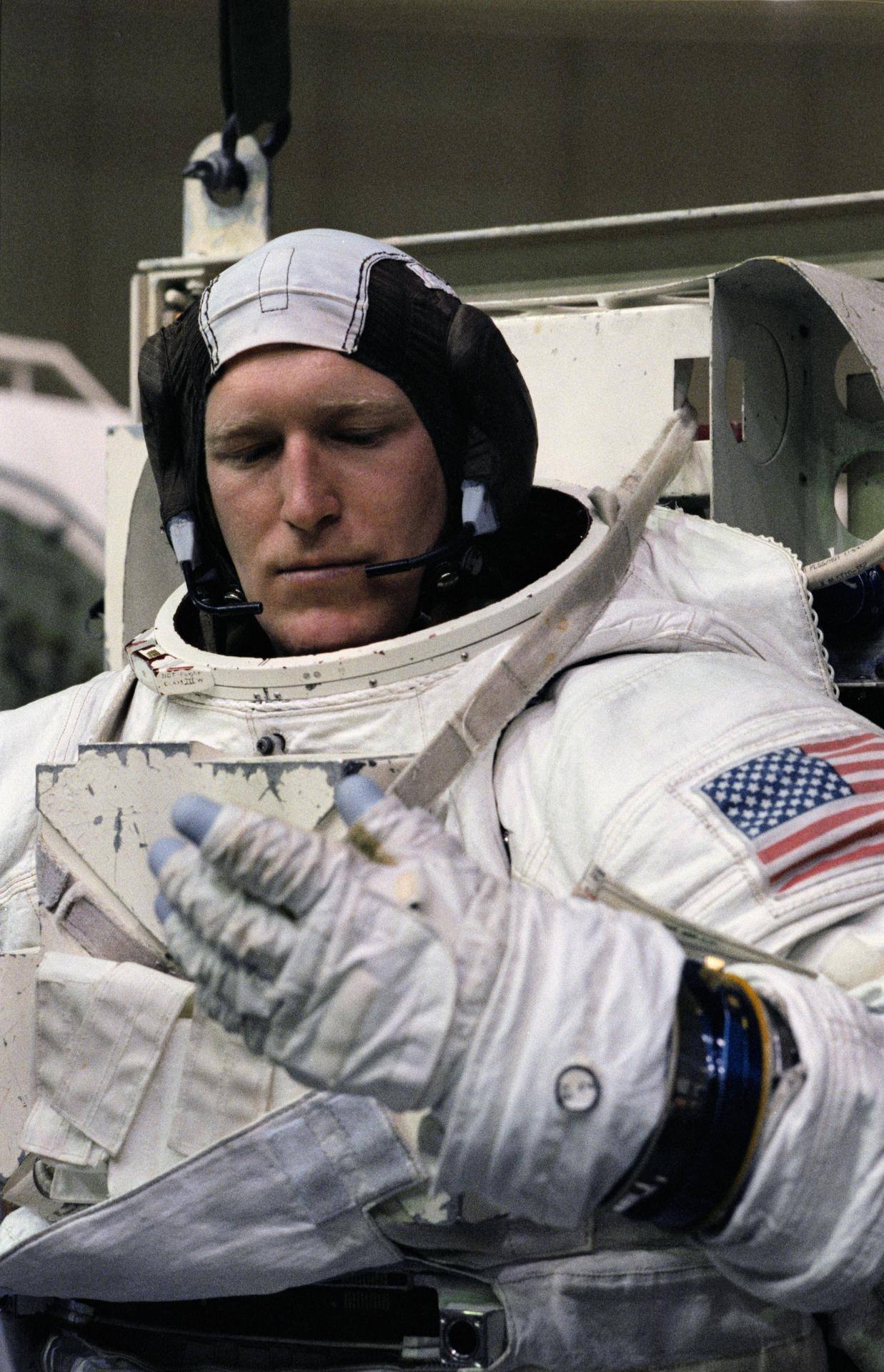
The Promise and Peril of AI
Artificial intelligence has long been hailed as the next frontier in technology, with proponents arguing it could revolutionize industries, improve efficiency, and solve complex problems that have long plagued humanity. However, as we explore the implications of AI systems, we must confront the uncomfortable truths about the trajectory of its development.
On one hand, there is an unyielding optimism from the left regarding the potential of AI to address social inequalities and foster innovation. Advocates argue that AI can streamline social services and provide access to information for marginalized populations. Yet, this enthusiasm often glosses over the risks associated with such technologies, including job displacement and the widening of the digital divide. The idealism surrounding AI can lead to a dangerous underestimation of these consequences.

Conversely, the right's narrative tends to emphasize the fear of AI as a tool for governmental overreach and an erosion of individual liberties. While there are valid concerns regarding privacy and the potential misuse of AI in surveillance, this perspective often neglects the vast potential for AI to enhance personal freedoms and economic opportunities. The right’s opposition can sometimes slip into an outright rejection of technological advancement, rooted in a nostalgia for simpler times rather than grounded in reasoned analysis.
"Both sides of the aisle appear to be cherry-picking facts to support their narratives on AI, undermining a balanced discourse."
Bipartisan Blind Spots
The selective memory exhibited by both political factions reveals broader societal tendencies that hinder our ability to engage meaningfully with emerging technologies. The left, in its enthusiasm for AI, often forgets the lessons from history regarding technological disruptions. The Industrial Revolution, for example, brought about significant economic shifts, but it also resulted in widespread unemployment and social upheaval. It is imperative that we learn from these past experiences rather than idealize the future.
Meanwhile, the right's fixation on dystopian futures can overshadow the remarkable advancements already made possible through AI. From medical diagnostics to environmental monitoring, the benefits of AI systems are undeniable. However, by framing the conversation solely around potential threats, they risk stifling innovation and progress.
The Importance of Nuanced Discussion
As we delve deeper into the age of AI, it is essential that we foster a nuanced discussion that acknowledges both the promise and peril of these technologies. We cannot afford to fall into the trap of binary thinking - where AI is either a panacea for all our problems or an existential threat to our freedoms. Instead, we must recognize the complexities inherent in the deployment of AI systems.
Moreover, the conversation surrounding AI cannot happen in silos. It must include voices from various sectors - technology developers, ethicists, policymakers, and the public at large. Only through a collaborative approach can we hope to navigate the multifaceted challenges posed by artificial intelligence.
As we continue to observe the evolution of AI systems, it is imperative that we remain vigilant against the tendencies of both sides to oversimplify the discourse. The consequences of AI technologies are far-reaching, and a thoughtful examination is necessary to harness their potential responsibly.
Conclusion
In conclusion, the debate surrounding artificial intelligence is emblematic of a larger issue within our political discourse: the tendency to engage in selective memory. Both the left and the right must confront their biases and work towards a more comprehensive understanding of AI and its implications. Only then can we hope to embrace the potential of AI while mitigating its risks. The future of technology - and indeed our society - depends on it.
✦ ✦ ✦