From the file. Written for the paper dated April 1983. Opened in the public stacks July 14, 2026.
As hospital costs continue to rise, a closer examination reveals a procedure that many patients and healthcare providers may be reluctant to discuss: the costs associated with the end of life.
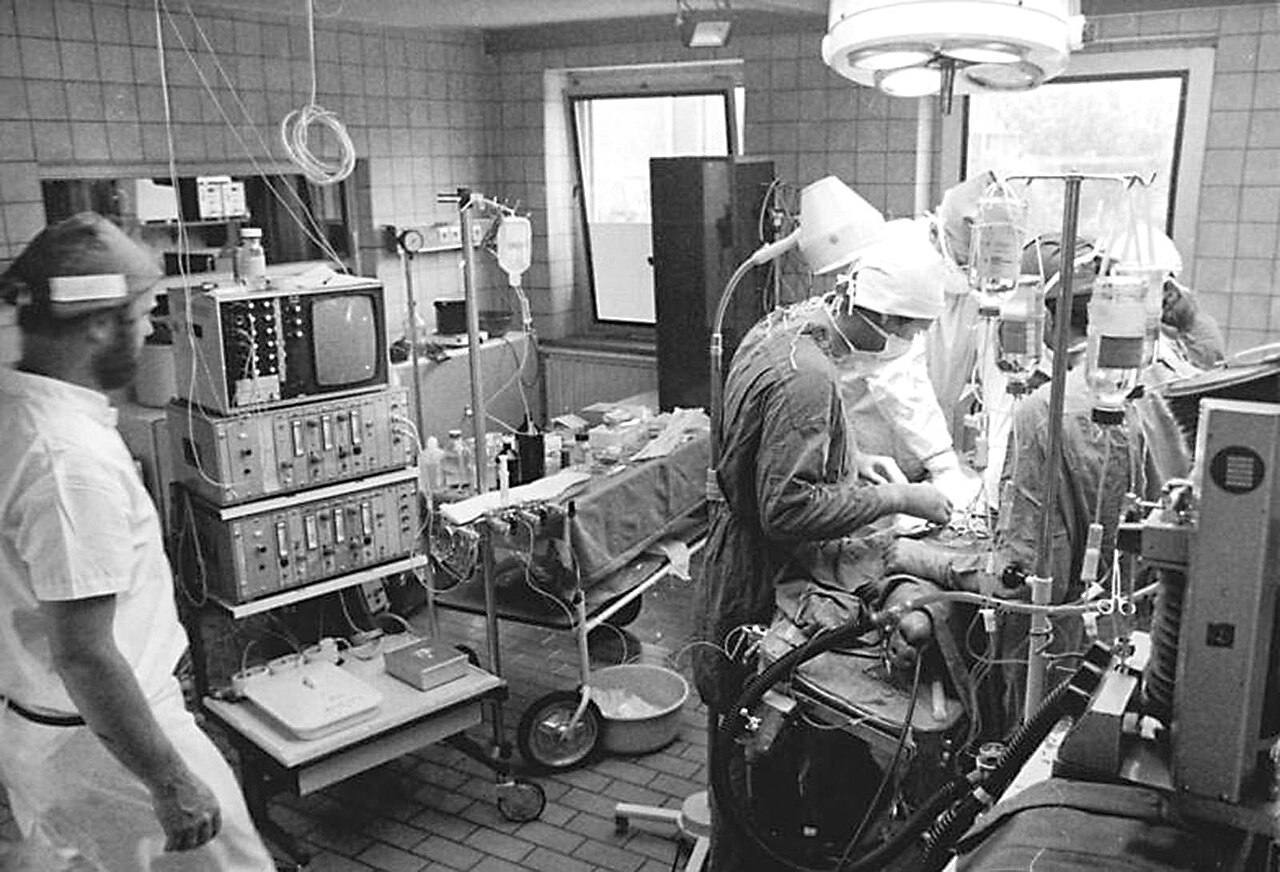
A Costly Goodbye
The discussion surrounding healthcare often skews towards the prevention of illness and the treatment of chronic conditions. However, when examining the full scope of hospital costs, one must confront a reality that is seldom addressed: the financial burden of end-of-life care. This issue is not merely a matter of ethics but one of economic urgency, as the costs associated with prolonging life can be staggering.
According to various studies and reports, a significant portion of healthcare expenditures is devoted to patients in their final months. These figures can be disconcerting, with some estimates suggesting that up to 30 percent of Medicare spending is allocated to services rendered in the last year of life. While the emotional toll of facing mortality is often overwhelming, the financial implications of these decisions can add another layer of complexity.
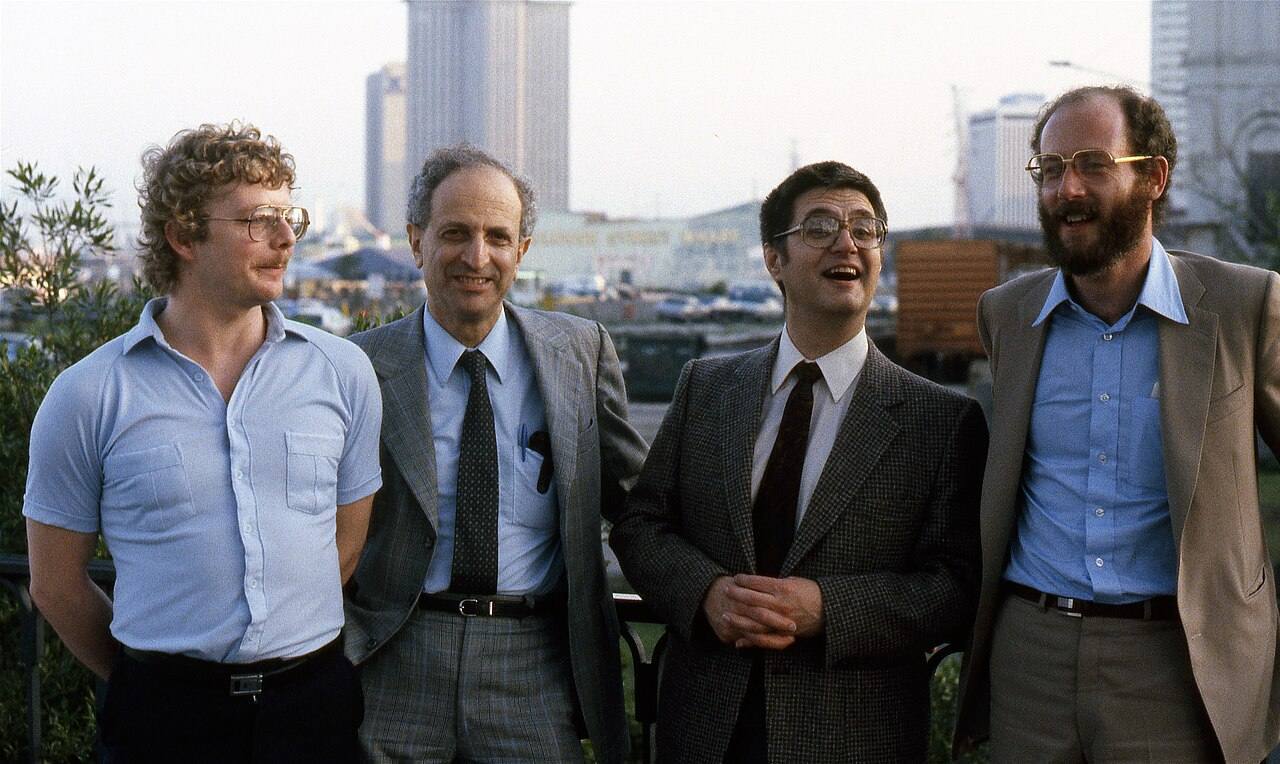
"What we need is a conversation about the quality of life versus the quantity of life." - Healthcare Advocate
Two Extremes of the Debate
In the current political climate, both the left and right seem to have taken extreme positions on healthcare. On one side, progressives advocate for universal healthcare, arguing that all citizens should have access to medical services without the burden of exorbitant costs. While their intentions are commendable, the implementation of such a system raises questions regarding quality, efficiency, and potential bureaucratic pitfalls.
On the other side, conservatives emphasize personal responsibility and market-driven solutions. This philosophy often results in the dismissal of necessary regulations that could protect vulnerable populations. The reliance on free-market principles can lead to a situation where profit motives overshadow patient care, particularly in the context of end-of-life services.
The truth lies somewhere in between these extremes. Effective healthcare reform should not only address the rising costs of procedures but also provide a framework that prioritizes patient dignity and choice. As the nation grapples with these issues, it is imperative that we find a balance between compassionate care and fiscal responsibility.
Examining the Emotional Cost
One of the challenges in discussing hospital costs, particularly related to end-of-life care, is the emotional weight that accompanies these conversations. Families are often faced with difficult decisions about treatment options, weighing the desire to prolong life against the desire for quality of life. The emotional burden can lead to choices that are not necessarily in the best financial interest of the patient or the healthcare system.
As a society, we must strive to make informed decisions. This means having open discussions about the realities of healthcare costs and the options available to patients. It is crucial that families are equipped with the information they need to navigate these complex situations, ensuring that they can make choices that align with their values and financial realities.
Finding Common Ground
To address the challenges posed by rising hospital costs, we must find common ground between the extremes of the political spectrum. Policymakers need to engage with healthcare professionals, patients, and families to create solutions that are both compassionate and economically viable. This could include exploring advanced care planning options, palliative care, and hospice services that prioritize comfort and dignity over aggressive treatments.
Moreover, there is a growing need for transparency in healthcare pricing. Patients should have access to clear information regarding the costs of treatments and procedures, particularly those related to end-of-life care. By empowering patients with knowledge, we can help them make informed decisions that align with their values and financial situations.
Ultimately, the conversation about hospital costs cannot be divorced from the ethical and emotional dilemmas that accompany healthcare. As we continue to navigate this complex landscape, it is essential that we prioritize dialogue and understanding over partisanship and division. Only then can we hope to achieve a healthcare system that is equitable, compassionate, and sustainable for all.
✦ ✦ ✦