From the file. Written for the paper dated February 1983. Opened in the public stacks July 14, 2026.
In the heated political climate of 1983, the debate surrounding voting machinery has intensified, raising questions about the integrity of our electoral process. As both sides of the aisle stake their claims, it is vital to prioritize evidence over identity in these discussions.
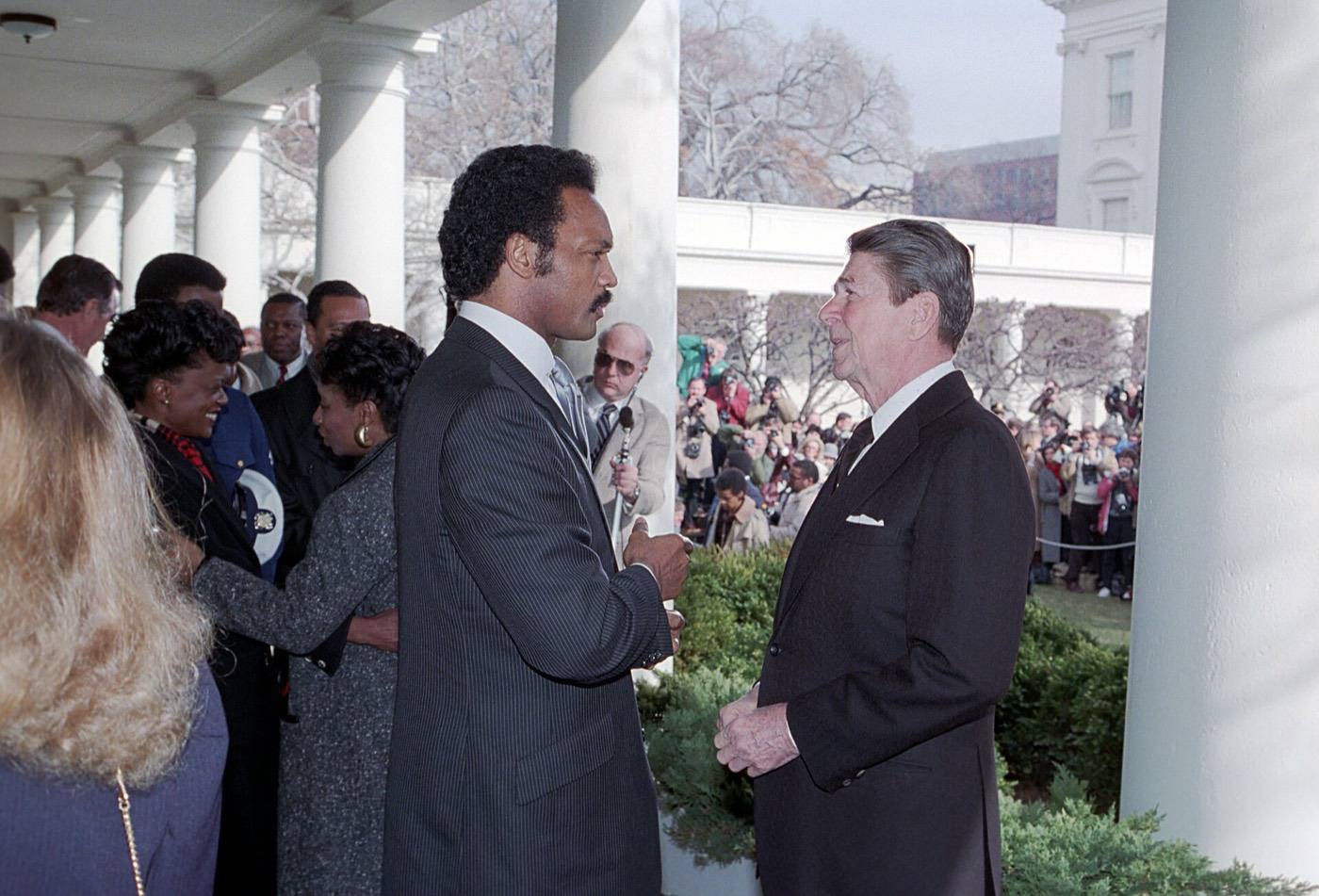
The Current State of Voting Machinery
As many states gear up for elections, the focus on voting machines has never been sharper. The introduction of automated systems and electronic voting has garnered both praise and skepticism. Proponents argue that these advancements can streamline the voting process, reduce human error, and enhance accessibility for all citizens. However, critics warn of potential vulnerabilities that could undermine public trust in the electoral process.
In recent months, allegations have surfaced regarding the integrity of various voting machines. Incidents of malfunctions and doubts about the reliability of electronic systems have dominated headlines. This has sparked a renewed call for transparency and oversight to ensure that every vote is counted accurately.
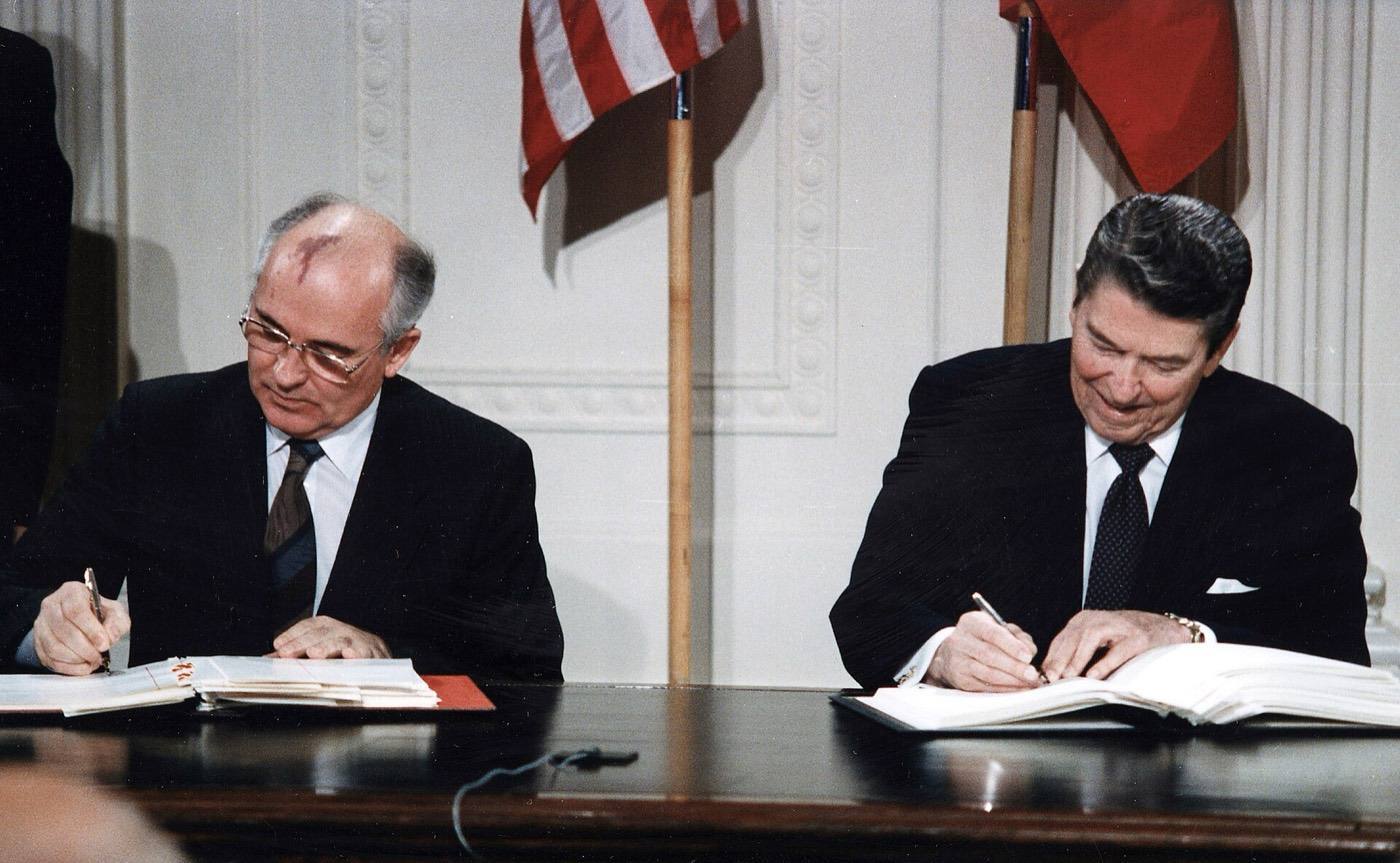
"We must prioritize the integrity of our electoral process over partisan politics." - A political analyst
Partisan Responses to a Critical Issue
The responses from both the left and the right have been telling, often reflecting the broader ideological divides that characterize our political landscape. On one hand, left-leaning groups have raised alarms about the potential for disenfranchisement and the need for robust regulations to safeguard against tampering. They emphasize that access to the ballot box must be protected at all costs, advocating for measures that ensure every eligible voter can participate without obstruction.
Conversely, many on the right have taken a more dismissive stance towards concerns about voting machinery. They often assert that the existing systems are sufficient and that calls for reform are politically motivated attempts to shift the focus away from the core issues facing the nation. This dismissal of legitimate concerns can foster a toxic atmosphere, where accusations of voter fraud overshadow the importance of maintaining a fair electoral system.
The Danger of Identity Politics
As the debate rages on, a troubling trend has emerged: the prioritization of identity over evidence. Both sides have increasingly resorted to framing the conversation in terms of partisan identity rather than focusing on the facts. This has resulted in a polarized discourse where evidence-based discussions take a back seat to emotional appeals and ideological posturing.
For example, when discussing voting machinery, some advocates on the left have framed the issue as one of racial and socio-economic equity. While these concerns are valid and should not be ignored, they should not overshadow the need for a comprehensive examination of the technology itself. Similarly, some on the right have dismissed legitimate concerns about electronic voting as simply “liberal paranoia,” failing to engage with the evidence and instead retreating into echo chambers.
This tendency to prioritize identity over evidence is not only detrimental to the quality of public discourse but also risks eroding trust in our democratic institutions. A healthy democracy relies on the ability of its citizens to engage in civil discourse grounded in facts, rather than descending into tribalism.
Moving Forward: The Call for Transparency
As we navigate this complex landscape, it is essential that all stakeholders agree on one fundamental principle: the integrity of our electoral process must be protected. This requires a concerted effort to ensure that voting machinery is transparent, secure, and accountable. Both sides of the political spectrum must come together to advocate for reforms that prioritize evidence-based solutions.
In the coming months, as elections loom on the horizon, the public deserves clarity and confidence in the systems that govern their democratic rights. Comprehensive audits of voting machines, increased funding for election security, and bipartisan oversight committees can help restore faith in the electoral process.
Conclusion: A Call for Unity in Evidence
The debate over voting machinery is emblematic of larger issues facing our nation. As we approach the election season, let us commit to elevating evidence above partisan identity. Only through a united front can we ensure that our electoral process remains fair and trustworthy for all citizens.
✦ ✦ ✦