From the file. Written for the paper dated January 1983. Opened in the public stacks July 14, 2026.
In a week marked by a variety of public trust surveys, the results reveal an unsettling trend: a growing disconnection between the rhetoric of our leaders and the reality facing everyday Americans. As citizens grapple with inflation, unemployment, and political polarization, the question remains - who can we trust?
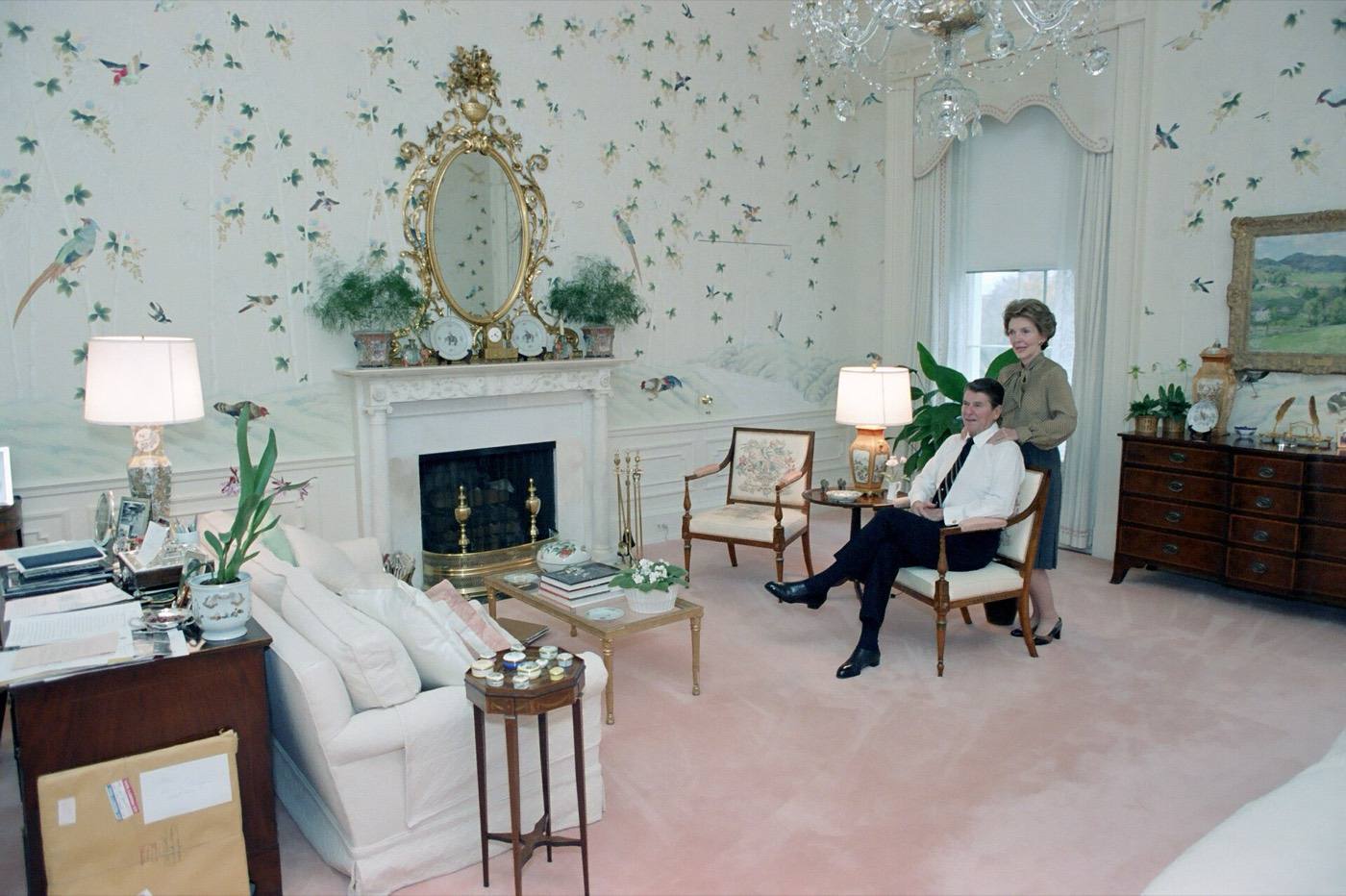
The Growing Divide
The latest public trust survey results are revealing, yet not entirely surprising. The data indicates that both the left and right sides of the political spectrum are struggling to maintain the confidence of the American public. Across the board, citizens express dissatisfaction with the performance of their elected officials, citing a disconnect between promises made on the campaign trail and the policies enacted once in office.
On one hand, the administration is touting economic recovery, claiming that policies put in place are finally yielding results. However, this narrative is met with skepticism by many who continue to feel the pinch of rising prices at the grocery store and the gas pump. It seems that while Washington celebrates its victories, the average American is still waiting for relief from their daily struggles.

On the other side, the opposition party is quick to capitalize on these feelings of disenchantment. They are eager to blame the current administration for what they characterize as a failure to lead. Yet, as they attempt to position themselves as the champions of the common man, they, too, have their own credibility issues. Voters recall past promises that have gone unfulfilled, and while the right criticizes the left, it must also contend with its own history of over-promising and under-delivering.
“Trust in government is at an all-time low. How do we bridge the gap between what is said and what is done?”
The Left’s Narrative
Progressives have positioned themselves as the voice of the people, advocating for policies aimed at addressing wealth inequality and social justice. They argue that their initiatives are designed to lift the most vulnerable among us. Yet, as they push for increased government intervention, they often overlook the concerns of those who fear an overreach of state power. Many Americans worry that increased regulations and spending could lead to stifling bureaucracy rather than genuine improvement in their lives.
The left’s rhetoric can sometimes come across as overly simplistic, reducing complex problems to slogans that fail to resonate with those who are seeking tangible solutions. When promises are made without a clear plan, the gap between public expectation and political action widens. Voters are left feeling disillusioned and questioning whether their voices truly matter in the grand scheme of political maneuvering.
The Right’s Reaction
Conversely, the right has a tendency to dismiss the very real concerns that many citizens express regarding economic hardships and social issues. Their approach often focuses on reducing government size and regulation, promoting free-market principles as the solution to all of society’s ills. While there is merit to the notion that less government can lead to increased innovation and entrepreneurship, the reality for many struggling families is that they need more than just ideological solutions; they need immediate help.
The failure to connect with the challenges faced by average Americans leaves the right vulnerable to accusations of elitism. The rhetoric surrounding tax cuts and deregulation may resonate with certain demographics, but it ignores the plight of those who feel left behind. In this polarized environment, the right risks alienating itself from the very voters it needs to reclaim trust.
Trust in Institutions
The decline in trust extends beyond political parties and into institutions. According to recent polling, only a fraction of Americans express confidence in Congress, the media, and even the judicial system. This lack of faith is troubling. It suggests that the very foundations of democracy are being eroded by increasing cynicism and disillusionment.
In an age where information is abundant, discerning fact from fiction has become a monumental task for the average citizen. The media landscape is fragmented, with numerous outlets vying for attention, often prioritizing sensationalism over substantive reporting. This has led to a situation where many people feel misled or manipulated, further complicating their relationship with public institutions.
Conclusion
As we navigate this complex landscape of public trust, it is imperative for both sides of the political aisle to listen to the concerns of their constituents. The widening gap between public claims and the lived experiences of Americans cannot be ignored. If leaders wish to restore faith in government, they must prioritize transparency, accountability, and genuine engagement with the issues that matter most to their constituents.
Trust is not given; it is earned. The current climate calls for a re-evaluation of priorities and a commitment to bridging the divide between rhetoric and reality. Only then can we hope to see a resurgence in public faith in our political institutions and leaders, paving the way for a more united and resilient nation.
✦ ✦ ✦