From the file. Written for the paper dated January 1983. Opened in the public stacks July 14, 2026.
As the airline industry continues to evolve under the pressures of deregulation, the public discourse has become increasingly polarized. In the past week, both proponents and critics have weighed in, but the realities on the ground tell a more complicated story.
Public Claims Versus the Record
Advocates of deregulation frequently assert that the removal of government restrictions has led to increased competition, lower fares, and enhanced service options for consumers. Indeed, the rhetoric surrounding the Airline Deregulation Act of 1978 suggested that consumers would be the ultimate beneficiaries of a free market in air travel. However, a closer examination of the data reveals a more nuanced picture, one that raises questions about the actual benefits for everyday flyers.
For instance, while it is true that some fares have decreased significantly on popular routes, many travelers are finding it increasingly difficult to secure affordable tickets on less-traveled routes. The promise of competition often translates into a race to the bottom, where airlines cut corners to maintain profitability. As a result, passengers might enjoy lower prices, but they also face less frequent service and fewer choices. This dichotomy poses a significant challenge for those who rely on air travel for business or personal reasons.
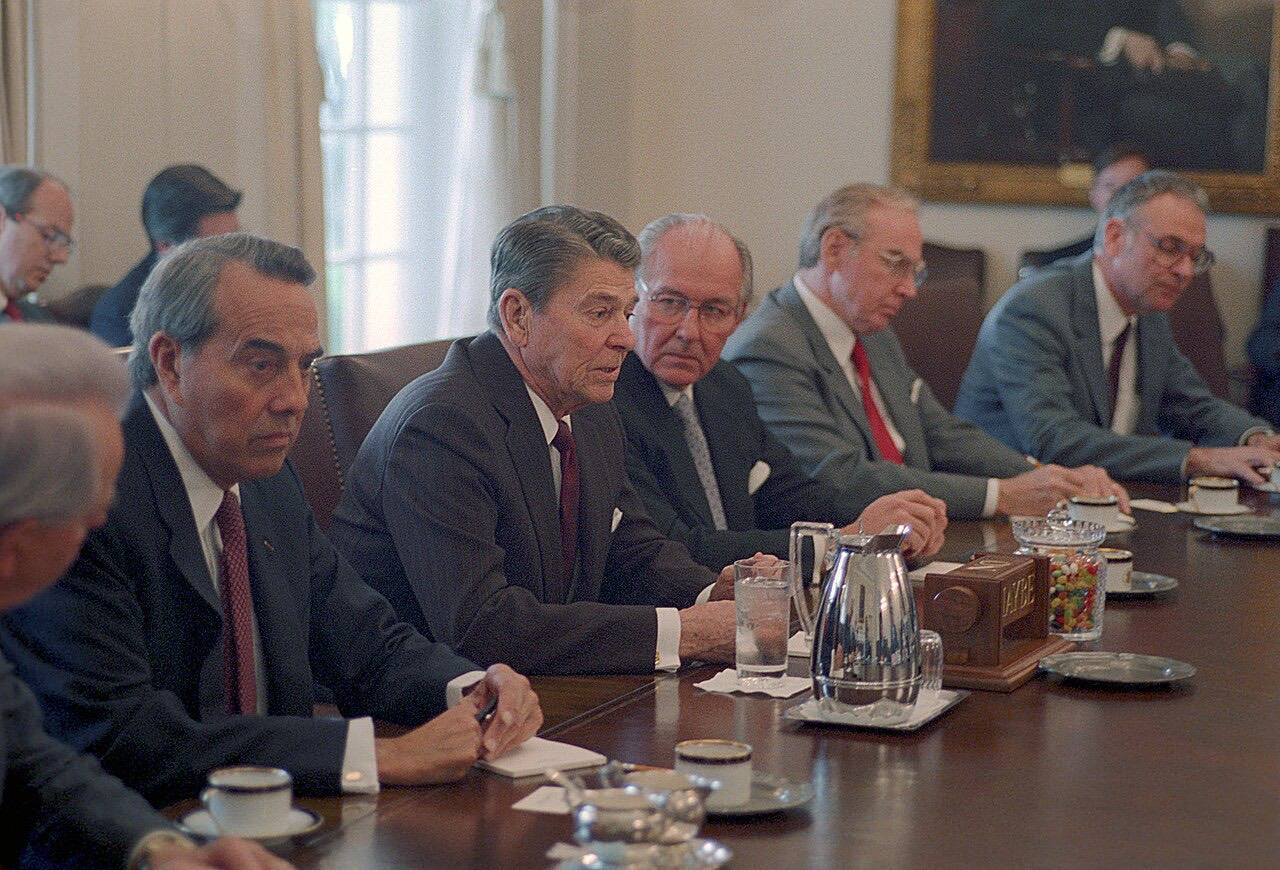
The promise of competition often translates into a race to the bottom, where airlines cut corners to maintain profitability.
On the other side of the aisle, critics of deregulation have been quick to point out the challenges that have emerged since the law was enacted. A notable concern is that the deregulated environment has led to increased consolidation within the industry. Major carriers are acquiring smaller regional airlines at an alarming rate, resulting in fewer options for consumers and reduced competition. This trend raises questions about whether the initial goals of deregulation are being undermined by the very forces it sought to unleash.
Furthermore, labor relations within the airline industry have also taken a hit. As airlines look to cut costs, workers are often the first to feel the pinch, facing layoffs and wage reductions. This has resulted in a strained dynamic between management and labor, with many employees feeling that their livelihoods are being sacrificed on the altar of corporate profitability. The human cost of deregulation is often overshadowed by the focus on ticket prices, but it warrants serious consideration.
The Future of Air Travel
Moving forward, the future of air travel remains uncertain. With major airlines consolidating and smaller carriers struggling to survive, many are left wondering what the airline landscape will look like in just a few years. Will the benefits of deregulation ultimately outweigh the consequences, or are we witnessing the birth of a new oligopoly in the skies?
In the face of these challenges, some lawmakers are beginning to reconsider the implications of deregulation. Calls for increased oversight and regulation are growing, particularly as consumer frustration mounts. The balance between fostering competition and ensuring fair access to air travel is delicate, and it appears that the debate will continue to intensify as the realities of the airline industry unfold.
As the public grapples with these complexities, it is imperative for both sides of the debate to acknowledge the nuances of the situation. Oversimplified narratives, whether glorifying deregulation or condemning it, do a disservice to the multifaceted reality that consumers face today. For the general public, the stakes are high, and the outcomes of this deregulated environment will shape the future of air travel for years to come.
✦ ✦ ✦