From the file. Written for the paper dated November 1982. Opened in the public stacks July 14, 2026.
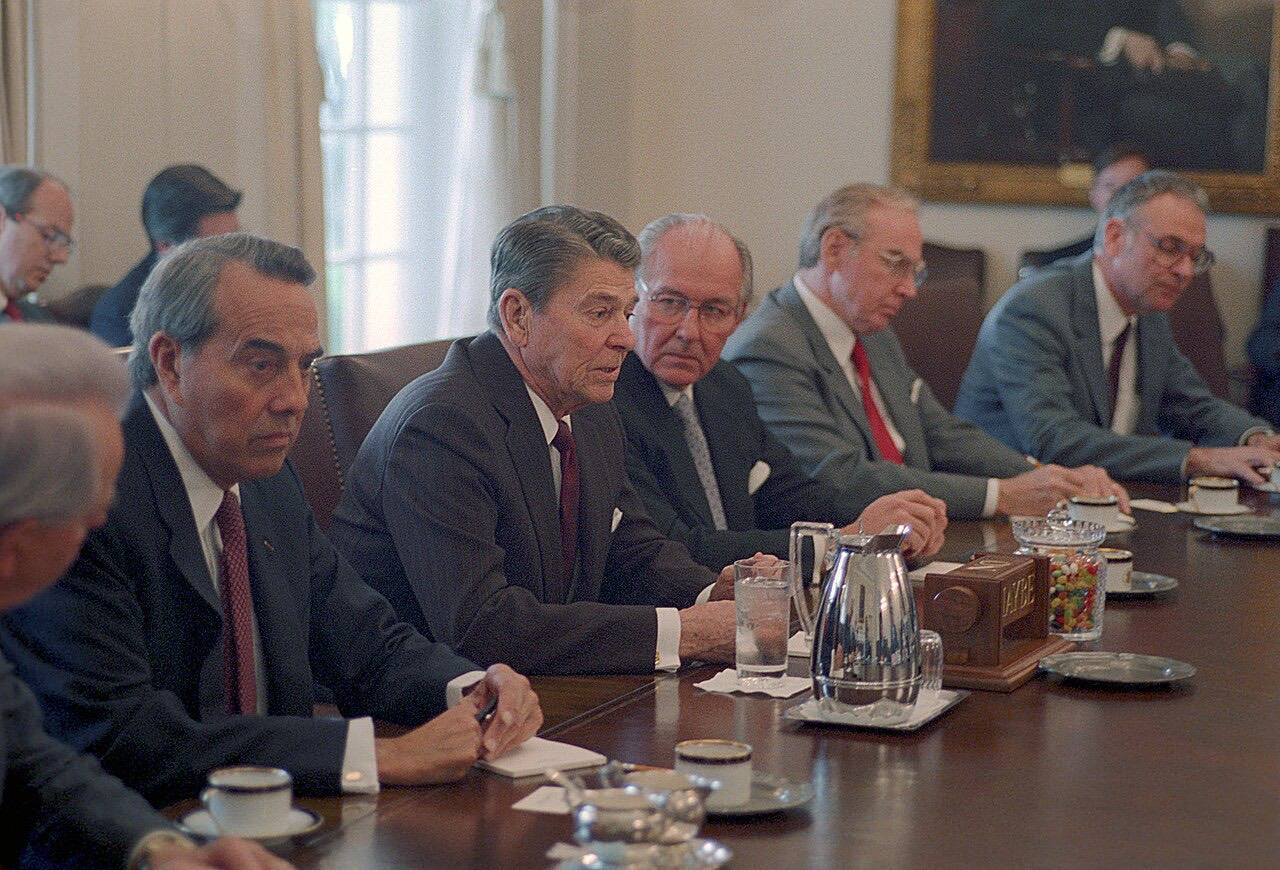
As the debate over rail freight continues to heat up, it has become increasingly clear that both sides of the political spectrum have vested interests in the future of this vital industry.
Understanding the Stakes
The rail freight industry plays a crucial role in the American economy, transporting a wide array of goods across vast distances. In a nation that prides itself on its infrastructure, the health of the rail system is not just an economic concern, but a matter of national competitiveness. With the current economic climate in flux, the incentives for both Democrats and Republicans to support rail freight initiatives are mounting.
Political Incentives: A Bipartisan Issue
On the left, advocates argue that investment in rail freight is essential for environmental sustainability. The Democratic Party has increasingly embraced issues related to climate change, and enhancing rail infrastructure is seen as a way to reduce dependence on trucks, which contribute significantly to carbon emissions. Proponents suggest that expanding rail services could lead to a decrease in highway congestion, lower greenhouse gas emissions, and a more efficient supply chain overall. However, this perspective can sometimes overlook the immediate economic hardships faced by workers in the trucking industry, those who might feel threatened by a shift in freight transport.
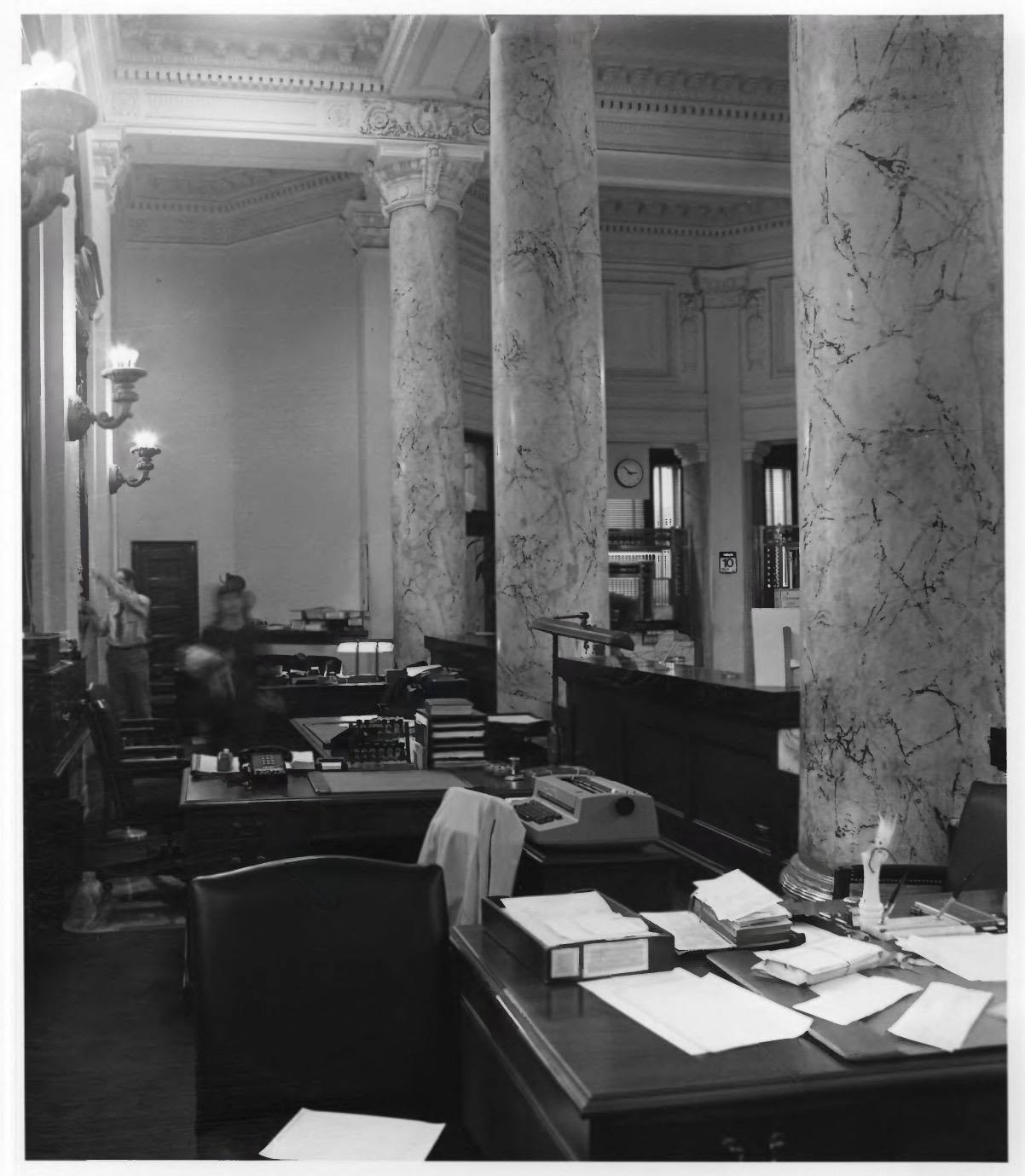
Meanwhile, the Republican side is not without its own motivations. Many conservatives recognize that the rail freight system can serve as a backbone for economic growth, particularly in rural areas where jobs are often scarce. By advocating for the deregulation of railroads, they believe they can foster competition and enhance service levels. However, this push for deregulation sometimes comes at the expense of worker protections and safety regulations, raising concerns about the potential for exploitation in pursuit of profit.
While both sides champion the benefits of rail freight, they often ignore the broader implications of their policies on the workforce.
The Consequences of Deregulation
As discussions continue, it is important to scrutinize the potential consequences of deregulation. The Staggers Rail Act of 1980 has already laid the groundwork for a more market-driven approach to rail freight. While this has indeed increased efficiency and profitability for many rail companies, it has also led to concerns about monopolistic practices. Many smaller railroads have struggled to compete, and this can lead to service cuts that ultimately harm consumers and small businesses relying on reliable freight transport.
Moreover, the risk of neglecting safety regulations is palpable. With a more profit-driven approach, the temptation to cut corners increases, which could result in catastrophic accidents that endanger both workers and the public. The balance between encouraging economic growth and ensuring safety and fairness must be carefully maintained, yet the current political climate makes it difficult to have this nuanced discussion.
Investment vs. Regulation
Both parties have proposed various funding mechanisms for rail freight improvements, yet these proposals often come with strings attached. The Democrats tend to advocate for federal funding that comes with regulatory oversight, ensuring that investments are made with worker and environmental protections in mind. However, this can lead to bureaucratic slowdowns and inefficiencies that stifle innovation and responsiveness to market needs.
On the other hand, Republicans often promote tax incentives for private investments in rail infrastructure, arguing that freeing the market will lead to increased efficiency. While this approach might stimulate private investment, it can also risk prioritizing profit over public welfare, leaving the door open for neglect of essential safety measures and a lack of accountability.
Charting a Path Forward
As we navigate these complex issues, it is essential for lawmakers to engage in constructive dialogue that transcends partisan lines. The challenge lies in fostering an environment where both investment and regulation coexist, ensuring that the rail freight system can thrive without compromising the safety and rights of workers.
Moreover, industry stakeholders must take an active role in advocating for a balanced approach that respects the needs of all parties involved. Whether it is through community advocacy or collaboration with lawmakers, there is a pressing need for all voices to be heard in this critical discussion.
In conclusion, while the incentives for both sides of the aisle are clear, it is the responsibility of our leaders to ensure that the future of rail freight is shaped by sound policies that consider both economic growth and the welfare of our workforce. The road ahead is fraught with challenges, but it also presents an opportunity to forge a more sustainable and equitable rail freight system for all Americans.
✦ ✦ ✦