From the file. Written for the paper dated July 1982. Opened in the public stacks July 14, 2026.
As the nation grapples with the troubling backlog in veterans affairs, it is crucial to address the bipartisan habit of selective memory surrounding this pressing issue. Both sides of the political spectrum have contributed to the current state of disarray, often choosing to ignore their own roles while pointing fingers at the other.
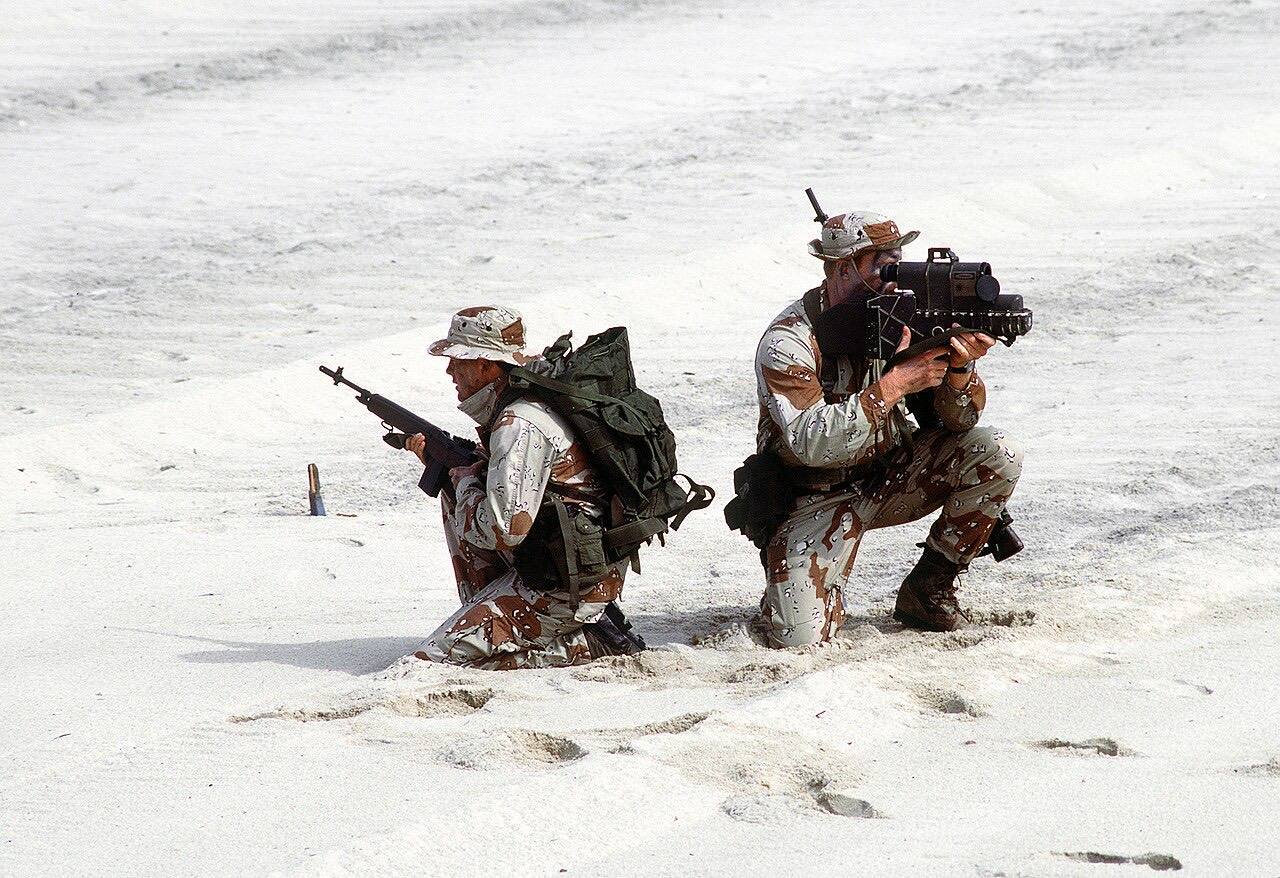
The Current State of Affairs
The backlog of claims within the Department of Veterans Affairs (VA) has reached alarming levels, leaving countless veterans waiting for the benefits they have rightfully earned. Reports indicate that thousands of claims are pending for extended periods, causing distress and uncertainty among those who have served our country. While the problems are complex, the responses from both Democrats and Republicans often lack the necessary accountability.
"We must do better for our veterans, who have sacrificed so much for our freedom."
A Partisan Problem
The bipartisan nature of this issue is evident. For years, Democrats have accused Republicans of underfunding the VA, while Republicans retaliate by blaming mismanagement within the department itself. Both parties have failed to take a comprehensive approach to solve the backlog, instead opting for partisan rhetoric that does little to help those in need. This selective memory allows each side to conveniently forget their contributions to the issues at hand.
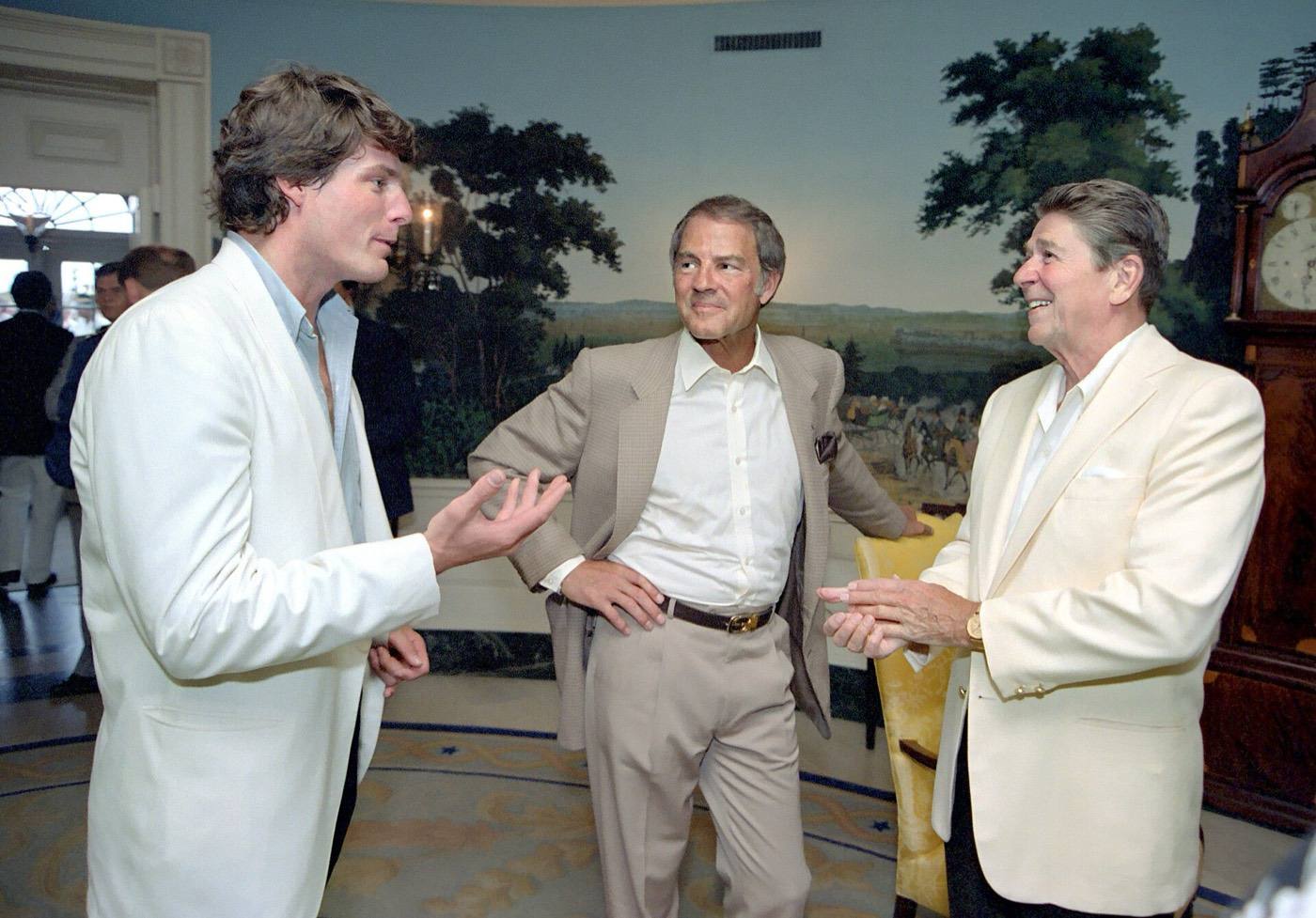
For instance, while the Obama administration has made strides in addressing some of the backlog, it is essential to recognize that the problems were not born overnight. They have been festering for decades, with both parties playing their part in neglecting the needs of veterans. The current administration’s efforts, while commendable, cannot erase the history of inaction that has led us to this juncture.
Political Expediency Over Accountability
It is disheartening to witness how quickly both parties pivot to political expediency when discussing veterans affairs. As election cycles approach, veterans' issues become a talking point for politicians who often offer empty promises rather than actionable plans. This cycle of exploitation and neglect leaves veterans caught in the crossfire.
While veterans' affairs should transcend party lines, the reality is that many politicians view them as a means to rally support rather than as individuals deserving of genuine care. The lack of sustained attention to the VA's challenges reveals a troubling pattern, wherein the plight of veterans is utilized as a prop in the theatrical play of politics.
"Veterans deserve more than just lip service; they need real solutions."
The Call for Comprehensive Reform
What is truly needed is comprehensive reform that addresses the root causes of the backlog. This requires a commitment from both parties to work together in a bipartisan manner. It necessitates a willingness to confront uncomfortable truths and to take responsibility for past failures.
One potential solution lies in increasing funding for the VA to ensure that the department is adequately equipped to handle the demands placed upon it. However, funding alone is not enough. There must also be a concerted effort to streamline the claims process, reduce bureaucracy, and enhance transparency in all dealings with veterans.
Conclusion: A Call to Remember
As we continue to address the backlog in veterans affairs, it is vital that we remember the contributions of both parties to the problem. Selective memory serves only to undermine the urgency of the situation. Veterans deserve better than political games; they deserve action, accountability, and a commitment to reform.
✦ ✦ ✦