From the file. Written for the paper dated July 1982. Opened in the public stacks July 14, 2026.
In the wake of an unprecedented solar storm that recently struck our planet, it is imperative to examine how both sides of the political spectrum are responding to this natural phenomenon. The event has laid bare a troubling trend: a bipartisan habit of selective memory, where facts are distorted, and narratives are crafted to fit political agendas.
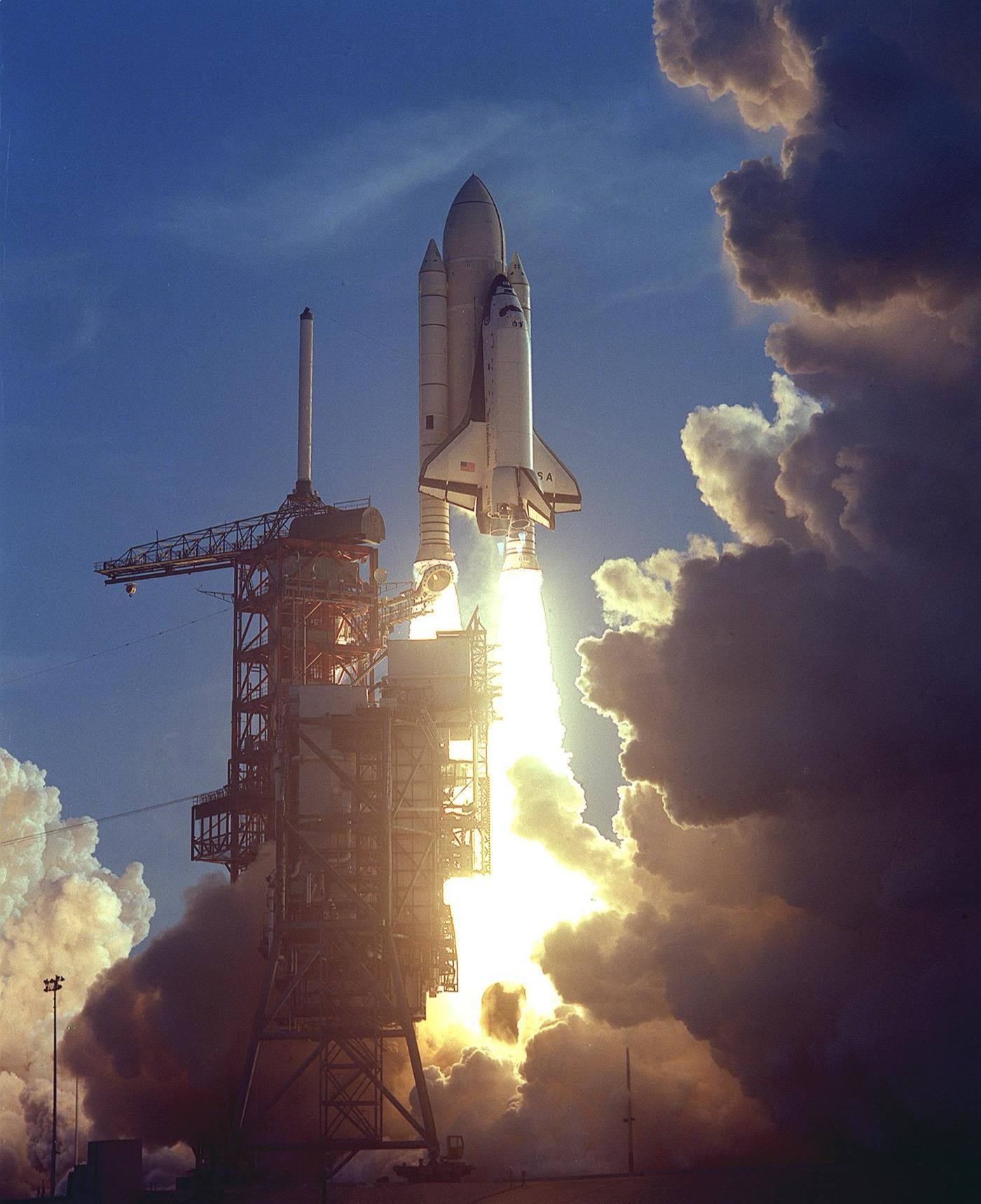
The Solar Storm: A Wake-Up Call
The solar storm that swept through the atmosphere last month has caused disruptions in communications and power supplies across vast regions. It serves as a stark reminder of our vulnerability to forces beyond our control. Scientists have long warned about the potential impacts of solar activity, pointing to historical events that have caused havoc on Earth. Yet, as the storm recedes, we find ourselves neck-deep in a debate that reveals more about our political climate than about the science at hand.
The Left’s Oversight
On the left, there is a tendency to downplay the role of technological advancements and human resilience in mitigating the effects of such disasters. While environmental concerns are certainly worthy of attention, the narrative often skews toward portraying humanity as helpless victims of nature’s wrath. This perspective neglects the significant strides we have made in technology and infrastructure, which have helped to protect us from the worst outcomes of solar events. Instead of celebrating our achievements and focusing on preparedness, the left seems more inclined to emphasize doom and gloom, fostering a sense of despair rather than hope.

The Right’s Overreaction
Conversely, the right tends to latch onto these natural disasters as opportunities to advance their agenda, often invoking a narrative of crisis to promote deregulation or privatization of services. The solar storm has been used as a rallying cry against what some claim is an overreaching government that cannot possibly manage such disasters effectively. Instead of calling for a collaborative approach to enhance our infrastructure and preparedness, the right risks fostering division by blaming the government for failing to protect its citizens. This reaction not only oversimplifies a complex issue but also distracts from the collaborative solutions that could actually strengthen our response to future storms.
"In politics, facts can often take a backseat to the compelling nature of a good story."
Lost in Translation: The Science of Solar Activity
As the political narrative unfolds, it is essential to return to the science that drives our understanding of solar storms. Solar activity is cyclical, and while we may not be able to predict every storm with precision, we can understand the patterns and prepare accordingly. The scientific community has urged for a bipartisan effort to invest in research and infrastructure that can withstand the impacts of such natural phenomena. Yet, the current political discourse continues to overlook these crucial facts in favor of soundbites and partisan posturing.
A Call for Unity and Rational Discourse
As citizens, we must demand better from our political leaders. The complexities of solar storms and their impacts require a unified approach that transcends party lines. Both the left and the right need to acknowledge the valid points of the other side and work collaboratively towards comprehensive solutions. It is time to move beyond selective memory and engage in a rational discourse that prioritizes the well-being of our society over political gain.
In conclusion, the solar storm has provided a critical moment for reflection - not only on how we prepare for natural disasters but also on how we engage in political discourse. Let us not forget the lessons of the past, nor allow our memories to be clouded by partisan narratives. Instead, we should strive for an informed, cooperative approach that fosters resilience in the face of nature’s unpredictability.
✦ ✦ ✦