From the file. Written for the paper dated July 1982. Opened in the public stacks July 14, 2026.
As discussions surrounding rail freight continue to evolve, it becomes increasingly evident that both major political parties are guilty of selective memory when it comes to the history and future of this critical industry.

The Importance of Rail Freight
Rail freight remains the backbone of American commerce, transporting goods across vast distances efficiently and cost-effectively. While the trucking industry has undoubtedly grown, rail remains indispensable for moving bulk commodities such as coal, grain, and chemicals. Yet, as the nation grapples with issues of deregulation and infrastructure investment, both the left and right show remarkable amnesia regarding the lessons of the past.
Left-Wing Amnesia
Progressives often advocate for increased government intervention in the rail sector, calling for regulations intended to protect workers and the environment. However, many overlook the consequences of overregulation that have historically stifled innovation and competition. The Rail Passenger Service Act of 1970, which birthed Amtrak, serves as a reminder of how government attempts to intervene in the market can lead to unintended consequences. Amtrak continues to grapple with financial difficulties, a situation exacerbated by regulatory burdens rather than alleviated by them.
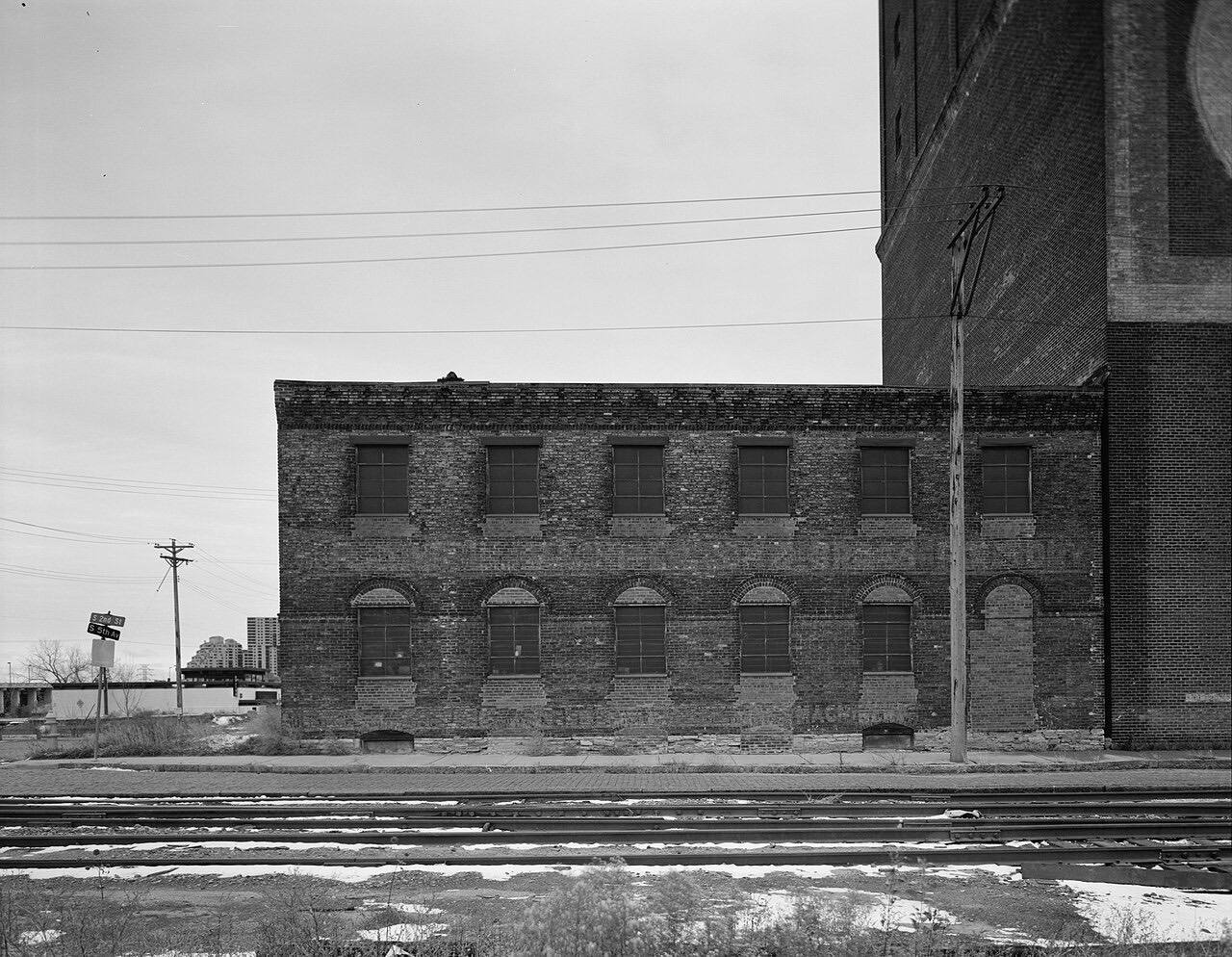
"A little history goes a long way, but both sides seem determined to ignore it when it suits their agenda."
Right-Wing Amnesia
Conversely, conservatives frequently tout deregulation as a panacea for the rail industry, celebrating the Staggers Rail Act of 1980 as a victory for free-market principles. While deregulation has indeed revitalized certain aspects of the rail freight system, such as increased competition and investment, the right often neglects to acknowledge the very real challenges that have arisen from this laissez-faire approach. The decline of short-line railroads and the abandonment of less profitable routes have left many rural communities isolated from reliable freight transport.
The Need for a Balanced Approach
Both sides of the aisle must confront the complexities of rail freight. A one-size-fits-all approach will not suffice in addressing the myriad challenges faced by the industry. It is crucial to recognize that deregulation and regulation are not mutually exclusive; rather, they must be balanced to ensure the health of the rail freight sector. Investment in infrastructure, worker protections, and environmental standards can coexist alongside the principles of competition and innovation.
Lessons from the Past
As we navigate the future of rail freight, it is essential to learn from the past. The rail industry has undergone significant transformations over the decades, shaped by both favorable and unfavorable policy decisions. Acknowledging the successes and failures of these policies can provide invaluable insights into crafting a comprehensive framework that supports the industry's growth while safeguarding community interests.
Conclusion
In a climate of hyper-partisanship, it is easy for both the left and the right to fall into the trap of selective memory. The future of rail freight depends on our ability to rise above these partisan divides and engage in a thoughtful dialogue about the industry’s complexities. We must strive for a policy landscape that draws from history, acknowledges the nuances of regulation and deregulation, and ultimately serves the best interests of both the economy and the American people.
✦ ✦ ✦