From the file. Written for the paper dated June 1982. Opened in the public stacks July 14, 2026.
The Veterans Affairs backlog is more than just a bureaucratic inconvenience; it is a glaring indication of the systemic failures that plague our nation's commitment to its veterans. As we enter June 1982, the pressing issue of delayed claims and inadequate resources has reached a critical point, raising questions about accountability and oversight.

The Overlooked Crisis
For many veterans, the promise of care and support from the government has become a distant echo, overshadowed by the mounting backlog of claims at the Department of Veterans Affairs. Reports indicate that thousands of veterans are left waiting for their benefits, often for months or even years. This is not merely a logistical issue; it represents a fundamental betrayal of the social contract between the nation and those who have served.
As the administration pushes for increased military spending and a robust defense posture, it seems to neglect the equally important responsibility of caring for those who have borne the brunt of that military engagement. The stark contrast between the government's commitment to defense and its apparent disregard for veterans' welfare is troubling. It raises the question: who is truly looking out for our veterans?
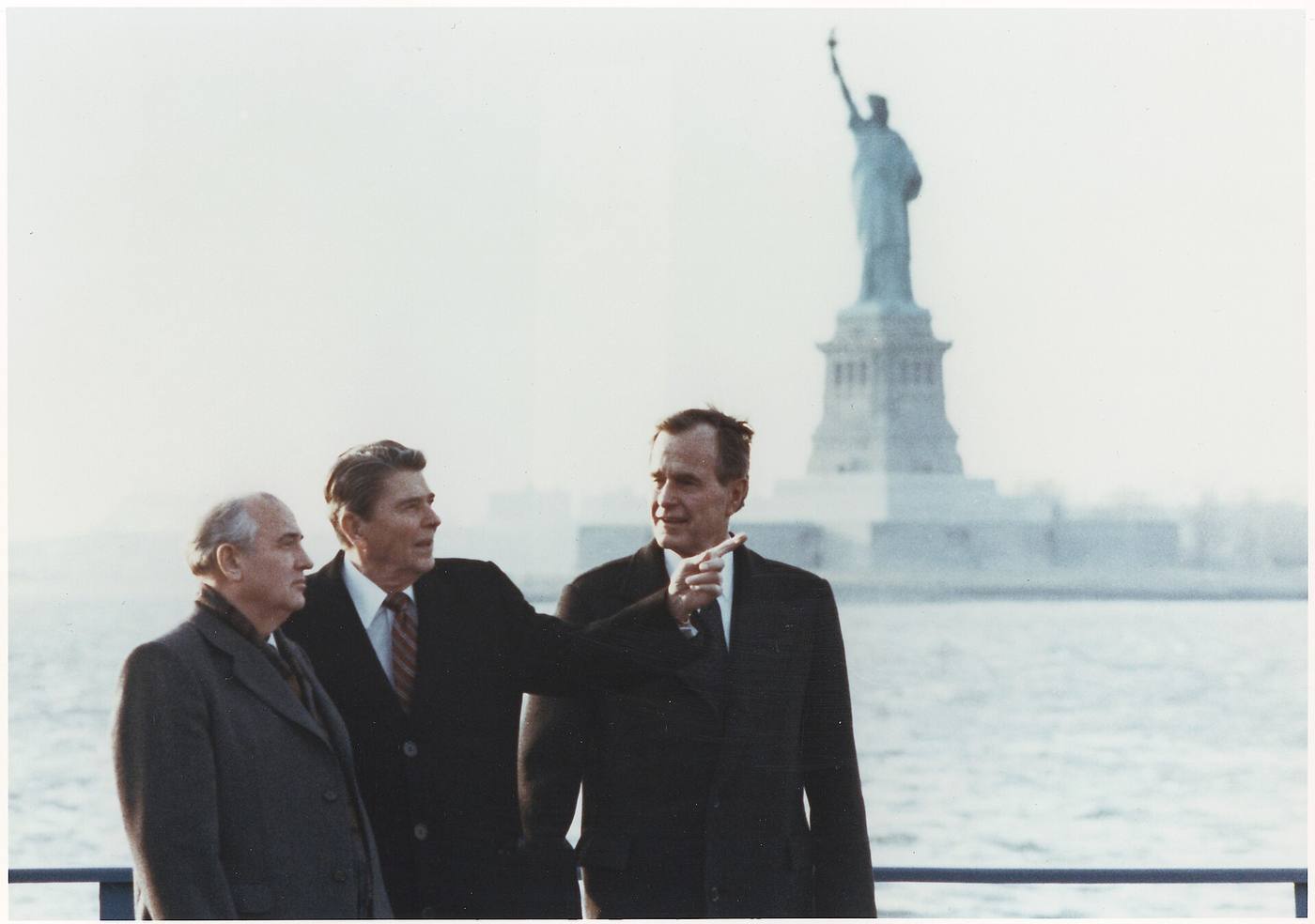
"The promise of care and support from the government has become a distant echo."
Political Posturing vs. Genuine Solutions
On one end of the political spectrum, we have the right, which often champions a tough-on-defense stance while simultaneously ignoring the plight of veterans. Their rhetoric about patriotism rings hollow when practical measures to address veteran needs are sidelined. Proposals for funding military endeavors are met with enthusiasm, yet the funding for veterans' care is treated as an afterthought.
Conversely, the left has been vocal about the need for reform in veterans' affairs, but there is a sense of disorganization and inconsistency in their approach. While advocating for social programs and expanded benefits, some factions within the left fail to present concrete plans to alleviate the backlog. Instead, they often resort to emotional appeals without a clear roadmap for implementation. The result? Promises that fall short of reality, leaving veterans caught in a bureaucratic limbo.
A Call to Action
The time has come for a united front in addressing the veterans affairs backlog. This is not a partisan issue; it is a moral imperative that transcends political lines. To genuinely honor the sacrifices made by our military personnel, we must demand accountability from our elected officials on both sides of the aisle.
What is needed is a comprehensive review of the current processes within the Department of Veterans Affairs. This review should aim not only to streamline the claims process but also to enhance communication and transparency. Veterans deserve to know the status of their claims and the reasons behind any delays.
Moreover, there should be a push for increased funding allocated specifically for veteran services, not merely as a side note in military budgets. A dedicated focus on mental health services, housing assistance, and job training programs is essential to help veterans reintegrate into civilian life successfully.
"This is not a partisan issue; it is a moral imperative that transcends political lines."
The Role of Citizens
As citizens, we bear the responsibility of holding our government accountable. Advocacy groups, community organizations, and individual citizens must raise their voices to demand action. The plight of veterans should not be a footnote in political discourse; rather, it should be a central theme that resonates across party lines.
By pressuring our representatives to prioritize veterans' affairs, we can ensure that those who have served our nation receive the respect and support they deserve. The time for complacency has passed; we must act decisively to address this crisis.
Conclusion
The veterans affairs backlog highlights a failure of oversight that cannot be ignored. As we navigate the complexities of governance and policy, let us remember the individuals behind the statistics and the promises made. The time for action is now, and it is up to each of us to advocate for a system that truly honors our veterans.
✦ ✦ ✦