From the file. Written for the paper dated May 1982. Opened in the public stacks July 14, 2026.
As the dust settles from this year’s State of the Union address, one cannot help but notice the polarized reactions that have unfolded across the political spectrum. From the fervent cheers of conservatives to the sharp rebukes from the left, the aftermath reveals a nation grappling with its identity, values, and future.
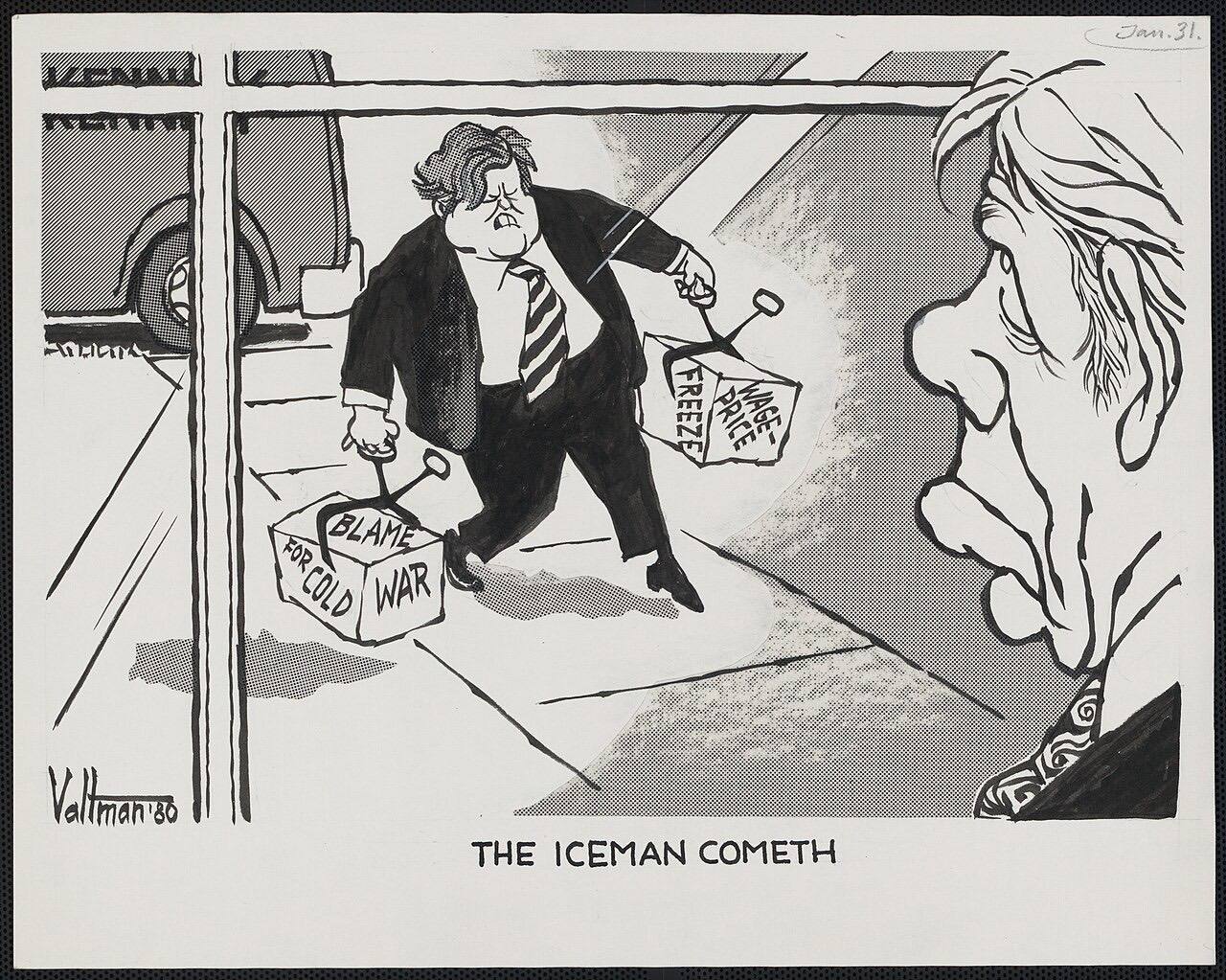
The Conservative Response
The right, emboldened by their alignment with President Reagan's vision, has seized the moment to reinforce their narrative of economic recovery and national strength. They celebrate the administration's tax cuts and deregulation as catalysts for growth, touting a free-market approach that is said to have curbed inflation and stimulated job creation. Yet, this unabashed optimism often overlooks the struggles faced by the working class - the very people who have yet to feel the benefits of such policies. The rhetoric of prosperity rings hollow for those still wrestling with stagnant wages and rising living costs.
"The administration's policies are not universally beneficial; they favor the affluent while neglecting those in need."
Moreover, the conservative fixation on military spending raises eyebrows. While national defense is undoubtedly important, one must question the wisdom of prioritizing military budgets over social services that directly impact the lives of everyday Americans. The stark contrast between defense expenditure and domestic welfare calls into question the true priorities of the current administration.
The Left's Reaction
On the other side of the aisle, the left has responded with indignation, emphasizing the need for social justice and economic equality. Progressives argue that the President’s address neglected vital issues such as healthcare, education, and workers' rights. They contend that the administration’s policies are perpetuating inequality, favoring corporate interests at the expense of ordinary citizens.
"The left cries foul, but their calls for revolution often border on the extreme."
However, this response is not without its own excesses. The left's tendency to dismiss any conservative argument as regressive or harmful can lead to a counterproductive dialogue, alienating moderate voices who may share some concerns but do not subscribe to a radical agenda. In their zeal to advocate for change, some progressive factions risk isolating potential allies and creating an echo chamber that stifles constructive debate.
A Call for Moderation
In this charged environment, it becomes increasingly important to seek a middle ground. The American public is yearning for pragmatic solutions rather than ideological battles. Both sides have valid points that deserve consideration, but the extremes - whether it be unyielding conservatism or radical progressivism - often drown out the voices of moderation that advocate for balanced approaches to governance.
For instance, a collaborative effort to reform the tax system could benefit citizens across the economic spectrum. A focus on sustainable economic policies that foster growth while ensuring social safety nets can bridge the gap between the two sides. Instead of engaging in finger-pointing, lawmakers should prioritize dialogue that seeks to address the needs of all Americans, facilitating a more inclusive environment.
Navigating the Future
As we move forward, it is essential to remain vigilant against the pitfalls of extremism on both sides. The American political landscape is not a zero-sum game; the well-being of our nation thrives when diverse perspectives come together in constructive discourse. It is through compromise and mutual respect that we can navigate the complexities of our times.
✦ ✦ ✦