From the file. Written for the paper dated May 1982. Opened in the public stacks July 14, 2026.
As the debate over lobbying disclosure heats up, a closer examination reveals not only the excesses of both the left and the right but also the urgent need for a balanced approach to transparency in our political processes.

Understanding Lobbying Disclosure
The past week has seen a flurry of activity surrounding lobbying disclosure legislation. With various interest groups weighing in, it is essential to parse the rhetoric from reality. The right has been quick to decry any form of regulation as a threat to free speech, while the left often paints a picture of a Capitol Hill overrun by shadowy figures pulling strings behind the scenes. Both sides, however, risk oversimplifying a complex issue that demands a nuanced understanding.
At the heart of the lobbying disclosure debate lies a fundamental question: how do we balance the right of individuals and organizations to lobby their government with the public's right to know who is influencing policy decisions? The proposed legislation aims to shine a light on the often murky world of lobbying, but it is crucial to ensure that such measures do not stifle legitimate advocacy.
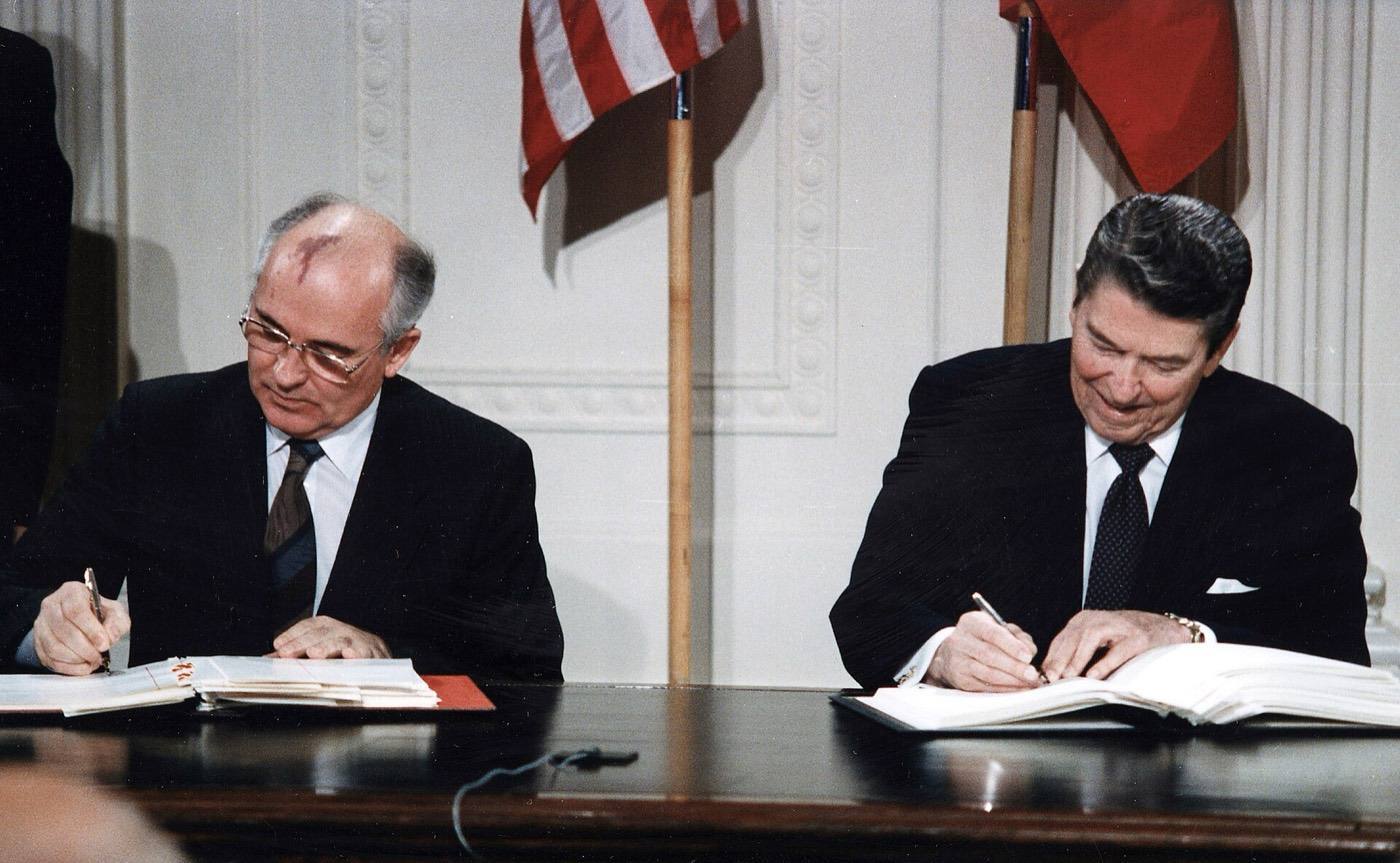
"The right has been quick to decry any form of regulation as a threat to free speech."
On one side of the aisle, conservative voices argue that increased regulation would infringe upon the First Amendment rights of citizens and organizations. They contend that lobbying is an essential part of a functioning democracy, allowing diverse viewpoints to be heard. However, this argument often overlooks the fact that without proper disclosure, the system can become susceptible to corruption and undue influence. The perception of corruption can be as damaging to democratic institutions as corruption itself.
Conversely, the left emphasizes the need for transparency, often framing the discussion in terms of equity and fairness. They argue that the current system disproportionately favors wealthy interests who can afford to hire lobbyists, thereby drowning out the voices of ordinary citizens. This perspective, while valid, sometimes veers into alarmism, portraying all lobbyists as villains bent on undermining democracy. Such generalizations can create a culture of suspicion that further alienates constituents from their representatives.
The Middle Ground
Finding a middle ground in this contentious debate is not only necessary but also achievable. Essential reforms to lobbying practices must be focused on enhancing transparency without encroaching on the rights of individuals to advocate for their beliefs. A well-crafted lobbying disclosure law could require organizations to report their lobbying expenditures and the specific issues they are addressing while allowing them to continue exercising their right to advocate.
Moreover, transparency does not equate to censorship. Enhancing disclosure requirements could empower the public to make more informed decisions about their representatives and the policies being proposed. It is essential to foster a political environment where citizens feel confident that their voices are being heard and that their government is not beholden to a select few.
As the lobbying disclosure legislation moves forward, it is crucial for lawmakers to consider the implications of their proposals carefully. A one-size-fits-all approach may not serve the interests of democracy. Instead, a tailored solution that addresses the concerns of both sides could lead to a more informed and engaged electorate.
"A well-crafted lobbying disclosure law could require organizations to report their lobbying expenditures and the specific issues they are addressing."
Conclusion
The lobbying disclosure debate serves as a microcosm of the broader political landscape in America. The polarization of interests and the subsequent rhetoric that ensues often cloud the very real and pressing issues at hand. It is imperative for stakeholders from both the left and the right to engage in constructive dialogue aimed at fostering a more transparent and equitable political system.
As we continue to navigate these turbulent waters, a commitment to balanced and thoughtful discourse will be essential. Only through understanding and cooperation can we hope to create a political environment that is truly reflective of the people's will.
✦ ✦ ✦