From the file. Written for the paper dated April 1982. Opened in the public stacks July 14, 2026.
As the sun continues to churn out powerful solar storms, scientists are left grappling with the uncomfortable truth: our preparedness for such cosmic events is far from sufficient. The discussion surrounding solar storms has gained traction, yet there remains a lack of consensus on how best to respond when these solar phenomena unleash their fury.
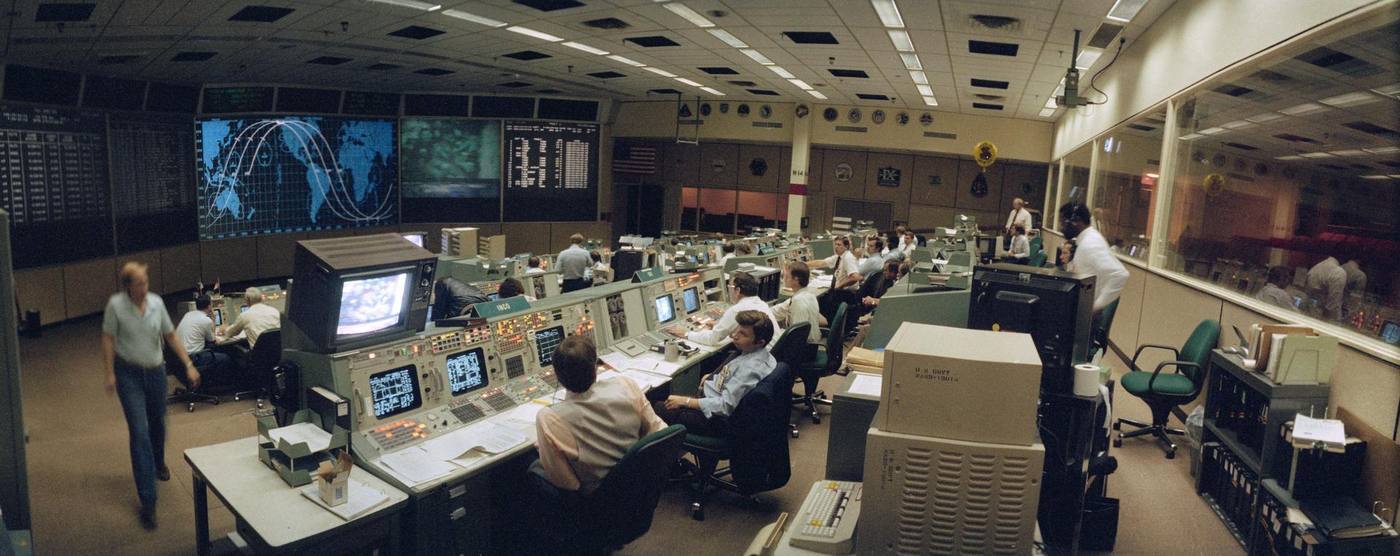
Understanding Solar Storms
Solar storms, particularly coronal mass ejections (CMEs), can unleash a torrent of charged particles into space, potentially wreaking havoc on satellite communications, power grids, and even the health of astronauts in orbit. While researchers have made significant strides in understanding the mechanisms behind these storms, there is still a troubling gap in our readiness to effectively respond to their consequences.
The Politics of Preparedness
In a time when science and politics are increasingly intertwined, it is disheartening to observe how both sides of the political spectrum approach the issue of solar storms with a degree of excess that undermines the urgency of the matter. On one hand, the right appears eager to dismiss climate-related phenomena as exaggerated, while the left tends to amplify fears without providing robust solutions. This polarization creates an environment where genuine scientific discourse is drowned out by partisan rhetoric.
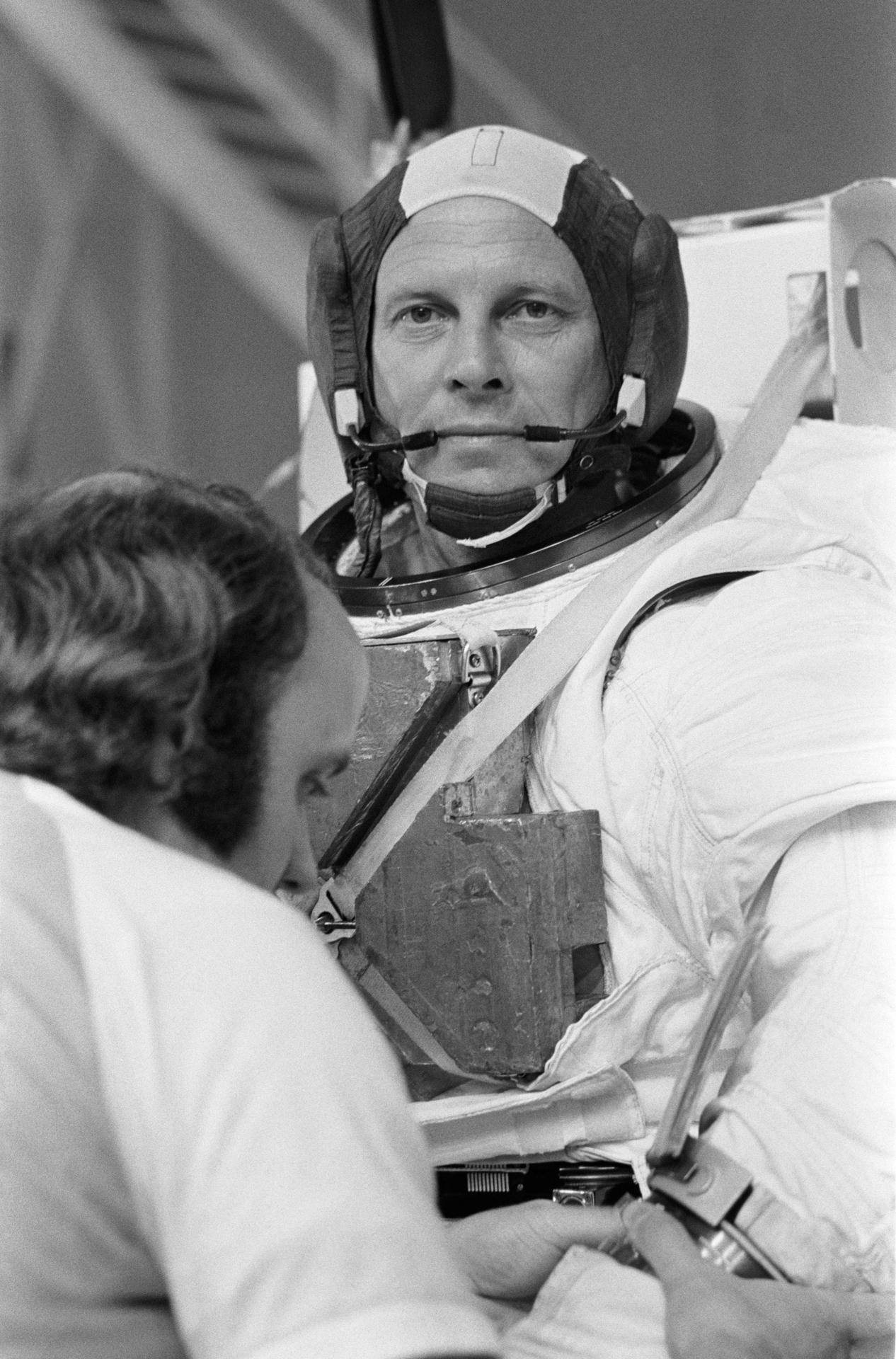
"The truth is, we need a national strategy that transcends political agendas."
What is required is a cooperative approach that emphasizes scientific collaboration rather than partisan bickering. Scientists urge that we need to develop a comprehensive national strategy for mitigating the effects of solar storms. This includes not just research funding but also a public education campaign to inform citizens about what to expect and how to prepare for potential disruptions in daily life.
Scientific Collaboration: A Necessary Step
Fortunately, some researchers are advocating for a more unified front in addressing the threat posed by solar storms. Institutions across the country are forming coalitions to share data and research findings. However, for this collaboration to flourish, it must be supported by policy that prioritizes scientific inquiry over political gain.
Public Awareness and Responsibility
One glaring absence in the discussion is public awareness. The average citizen remains largely unaware of the potential ramifications of solar storms, as the topic rarely makes headlines outside of scientific circles. Both sides of the political divide must take responsibility to educate the public rather than simply using the issue as a talking point when convenient. This lack of transparency fosters fear and misinformation, which only serve to further polarize opinions on the subject.
A Call for Action
As we continue to study the sun and its behavior, it is essential that we move beyond mere speculation and fearmongering. The scientific community must lead the charge in advocating for actionable measures that address the potential impacts of solar storms on our technological infrastructure. The call for a national solar storm preparedness plan is not just a suggestion; it is a necessity.
"Ignoring the problem won't make it go away; it will only leave us vulnerable."
In conclusion, as solar storms loom on the horizon, we must confront the uncomfortable discussions surrounding our preparedness. The time for partisanship is over; we must come together - scientists, policymakers, and the public - to create a resilient framework that can withstand the storm. Failure to do so could mean catastrophic consequences when the next solar storm strikes.
Looking Ahead
The future may seem daunting, but it also holds promise. By fostering a culture of collaboration and transparency, we can prepare for the unpredictable forces of nature. Let us hope that the dialogue surrounding solar storms shifts from one of fear and division to one of unity and proactive engagement.
✦ ✦ ✦