From the file. Written for the paper dated April 1982. Opened in the public stacks July 14, 2026.
As discussions about childhood nutrition heat up, a vital issue lurks beneath the surface that few are willing to address: the intersection of food choices, socioeconomic status, and the pressures of modern parenting.
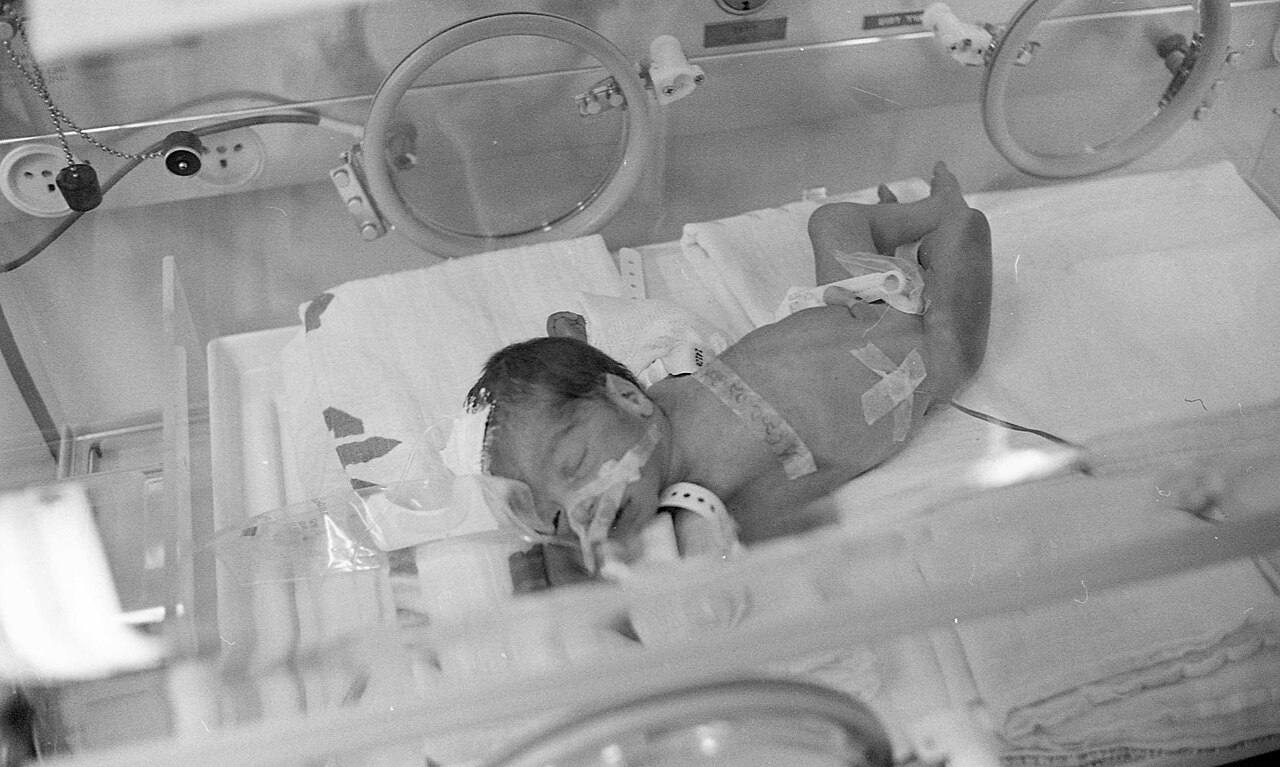
Nutrition Under Siege
In recent months, the public discourse around childhood nutrition has intensified, sparked by a growing awareness of the obesity epidemic among children and the broader implications for their long-term health. Schools and parents alike are under pressure to provide healthier options, yet a crucial aspect often overlooked is the complex social and economic environment that influences these choices.
While a segment of society pushes for organic foods and all-natural ingredients, another segment grapples with the harsh realities of food deserts and financial constraints. In affluent neighborhoods, the availability of fresh produce and whole grains is abundant, and parents often have the luxury of choosing what their children eat. However, in lower-income areas, families face stark limitations. The irony is palpable: while one group advocates for kale and quinoa, another is simply trying to put food on the table.

"Nutrition should not be a privilege. It should be a fundamental right for every child."
The Left's Idealism vs. The Right's Realism
The left's approach to childhood nutrition often emphasizes holistic, organic diets that promote health and wellness. Yet, this idealism can sometimes come off as elitist, alienating families who cannot afford such luxuries. Meanwhile, the right tends to focus on personal responsibility, arguing that parents should make better choices without recognizing the systemic barriers that hinder them. Both sides of the political spectrum risk oversimplifying a complex issue, leaving many families caught in the middle.
For instance, the push for more stringent regulations on school lunches is commendable. However, it is essential to consider the socioeconomic disparities that exist among students. A one-size-fits-all approach may end up penalizing those already struggling to access basic nutrition. Schools in wealthier districts can easily comply with new nutritional standards, while those in lower-income areas may struggle to meet the same requirements due to limited resources.
The Conversation We Need to Have
It is time for a frank and honest discussion about childhood nutrition that goes beyond slogans and sound bites. We must confront the uncomfortable truth that not all parents have the same resources, knowledge, or support when it comes to feeding their children. Community programs that provide education, resources, and access to healthy foods are crucial in bridging this gap.
Moreover, we should be wary of the tendency to shame parents for their choices. The narrative that blames parents for their children's health issues overlooks the systemic factors at play. Instead of casting judgment, we should be fostering environments where families can thrive, regardless of their economic situation.
"We must address the root causes of food insecurity, not just the symptoms."
Policy and Responsibility
On the policy front, both local and federal governments need to take a more integrative approach. Rather than imposing regulations that may sound good on paper but fail in practice, we should be investing in programs that support families. This includes subsidized healthy food options, educational initiatives that teach cooking skills, and the development of community gardens that promote local food production.
The anti-federal sentiment prevalent in some circles often leads to a reluctance to support government-funded programs aimed at improving nutrition. Yet, the same individuals advocating for individual responsibility must understand that not every family has the means to make informed food choices. A balanced approach that recognizes the role of government in supporting community health is essential.
A Call to Action
As we navigate this complex terrain of childhood nutrition, let us not forget that the ultimate goal is the health and well-being of our children. By fostering collaboration between parents, schools, community organizations, and policymakers, we can create a more equitable food system that benefits everyone.
We must also encourage open dialogue that respects diverse perspectives and experiences. The more we talk about these issues without assigning blame, the closer we will get to meaningful solutions. After all, nourishing our children should not be a partisan issue; it is a shared responsibility.
✦ ✦ ✦