From the file. Written for the paper dated January 1982. Opened in the public stacks July 14, 2026.
The recent imposition of steel tariffs has sparked a heated debate, pitting public claims against the actual economic realities facing American industries. As President Reagan's administration moves forward with trade protection measures, questions arise about their true efficacy.
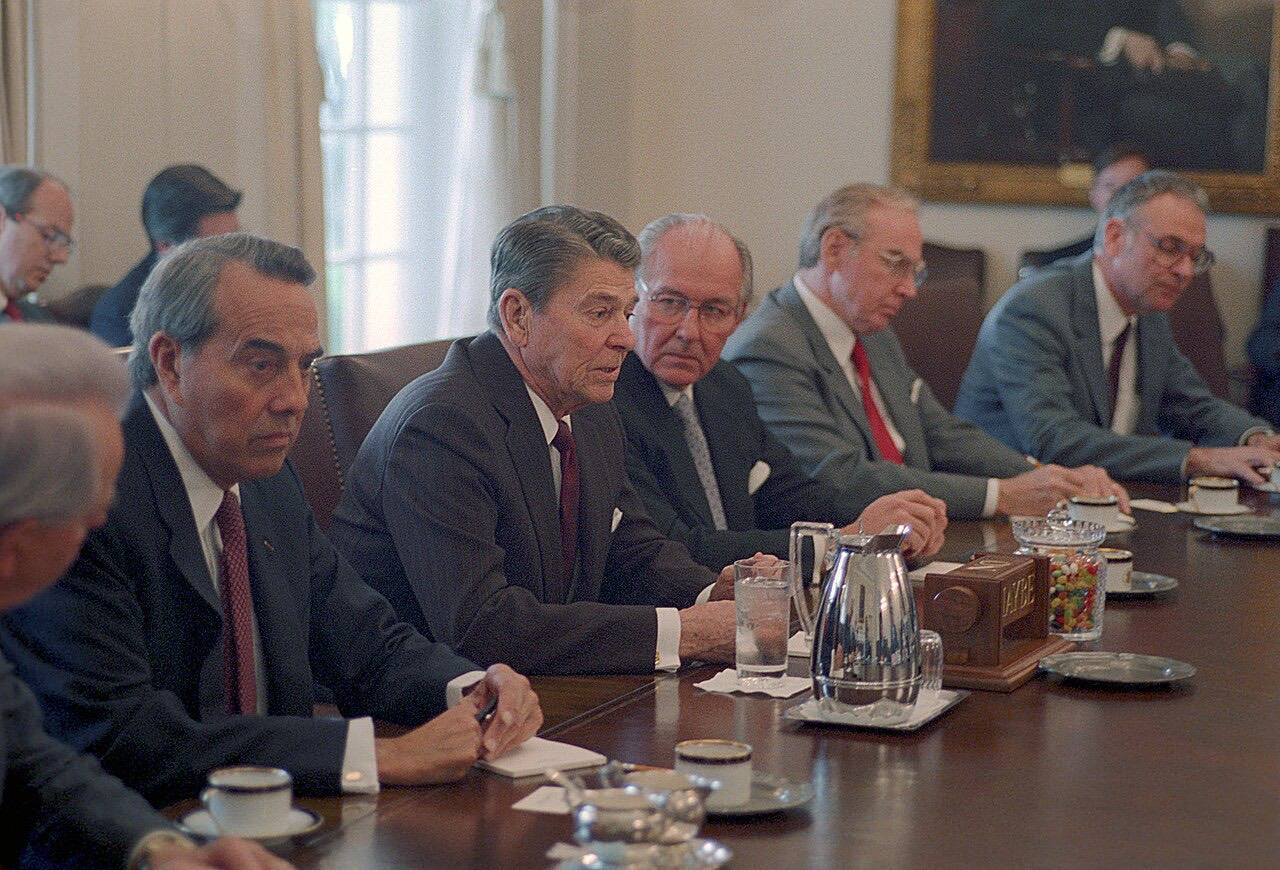
Public Claims: Protection or Profit?
Supporters of the steel tariffs argue that these measures are essential to protect American jobs and stimulate domestic production. They assert that foreign steel imports undermine local industries by selling at lower prices, thus threatening the livelihood of American steelworkers. This sentiment is echoed by various labor unions who are rallying behind the tariffs as a means to safeguard employment.
However, a closer examination reveals a more nuanced picture. While it is true that certain sectors have suffered from foreign competition, the blanket assertion that tariffs will revive the steel industry and protect jobs lacks substantial grounding. Economic studies suggest that tariffs can lead to higher prices for consumers, ultimately hurting the very workers these policies aim to protect. The irony here is palpable; while the intention is to safeguard jobs, the reality may result in net job loss across sectors dependent on affordable steel.

The Industry's Mixed Response
Within the steel industry itself, responses to the tariffs are mixed. Some companies stand to benefit from reduced foreign competition, while others warn of potential retaliatory measures that could escalate into a trade war, harming exports and leading to broader economic repercussions. Major steel producers have expressed cautious optimism, but smaller businesses fear the stifling of competition could lead to complacency and inefficiency.
"Tariffs may protect some jobs in the short term, but in the long run, they could damage our industry’s global competitiveness."
This quote from a prominent steel industry figure encapsulates the growing concerns about the long-term effects of such protectionist policies. It raises critical questions: Will artificially inflating domestic steel prices truly foster innovation, or will it simply encourage stagnation?
Political Ramifications: A Divided Front
The debate over steel tariffs has also revealed a rift within the political landscape. On one side, staunch conservatives advocate for free markets and minimal government intervention, warning against the dangers of protectionism. On the other, more liberal voices decry the loss of American jobs, pushing for immediate action to protect workers.
Yet the reality is that both extremes often overlook the complexities involved. The right’s insistence on unfettered markets fails to account for the social fabric that binds communities to industries, while the left’s focus on job preservation may neglect the economic principles that drive growth and innovation. It seems both camps are guilty of oversimplifying the issue, using it as a political football rather than engaging in a substantive discussion about sustainable economic practices.
The Global Context
Internationally, the steel tariffs have drawn sharp criticism from allied nations. Countries such as Japan and those in the European Economic Community have expressed discontent, warning that such measures could lead to strained diplomatic relations. A trade conflict could jeopardize not only steel exports but also other sectors reliant on international partnerships.
In a global economy, the interconnectedness of markets means that unilateral actions can have cascading effects. The implications of the U.S. tariffs extend beyond borders, affecting trade agreements and potentially leading to retaliatory actions that could harm American businesses and consumers alike.
A Call for Balanced Solutions
As the debate continues, it is imperative that policymakers consider a balanced approach to trade. Rather than resorting to tariffs, which may provide a temporary shield, the focus should be on fostering a competitive environment through innovation, training, and investment in technology. Engaging in dialogue with affected industries and seeking collaborative solutions could yield better outcomes than the blunt instrument of tariffs.
Conclusion
As the steel tariff debate unfolds, it is clear that a simplistic approach will not suffice. The American economy requires thoughtful, informed solutions that consider both domestic needs and international implications. With the stakes high, it is essential for leaders to engage in constructive dialogue, moving beyond partisan posturing to forge a path that genuinely supports American workers while also ensuring the nation's global competitiveness.
✦ ✦ ✦