From the file. Written for the paper dated January 1982. Opened in the public stacks July 14, 2026.
As the United States embarks on a new era of space exploration, the disparity between public expectations and the undeniable truths of the space launch program has never been more pronounced.
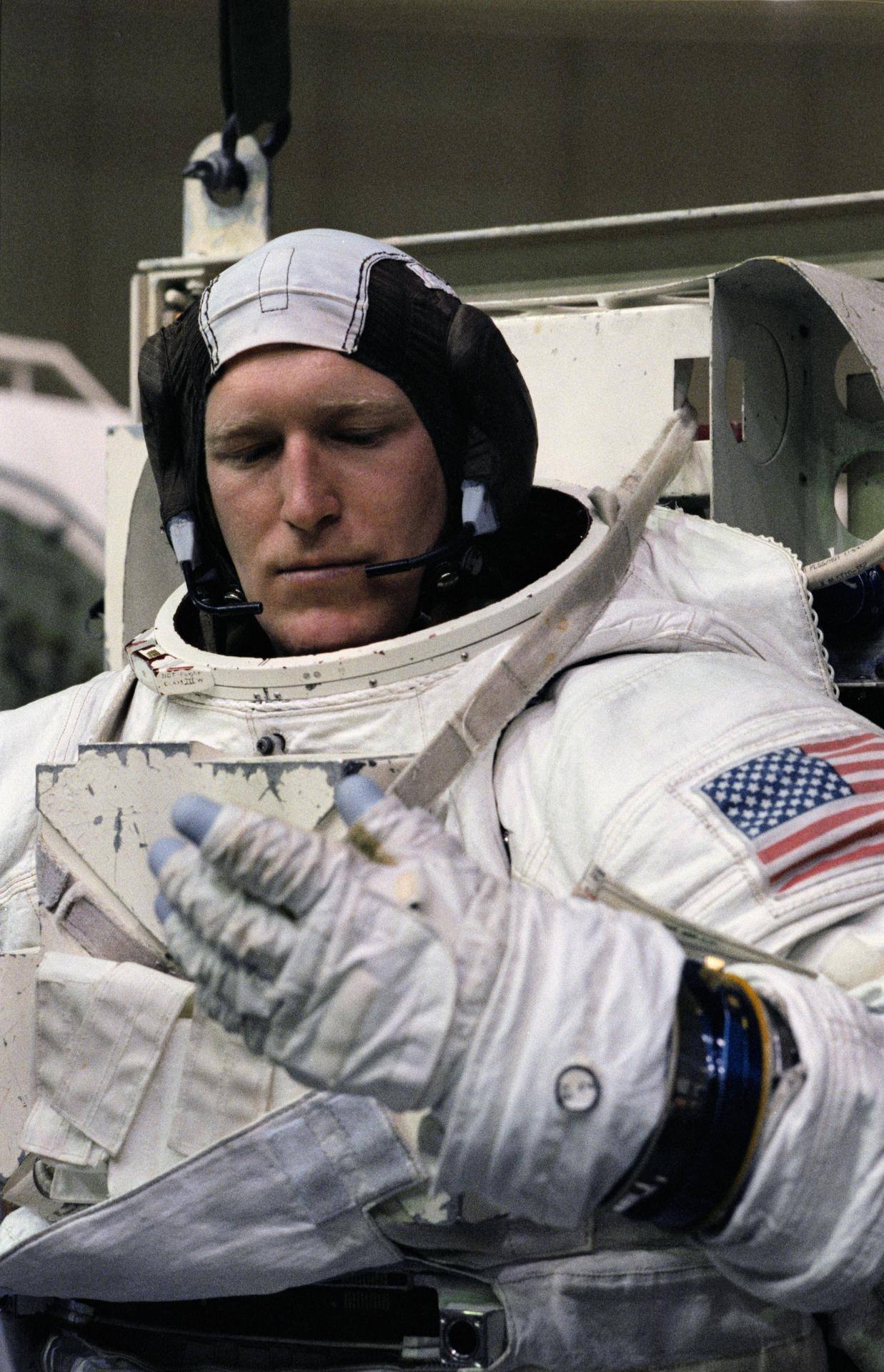
Public Enthusiasm Meets Technical Reality
The excitement surrounding the space program is palpable. Citizens across the nation have rallied behind the prospect of human exploration beyond our planet, ignited by ambitious promises from NASA and private aerospace firms. Yet, as we delve deeper into the facts, it becomes clear that public enthusiasm often clashes with the practical realities of space technology and logistics.
In recent months, the space program has touted its achievements with grandiose statements about upcoming launches and missions. However, a closer examination reveals a pattern of inflated expectations. The promise of routine, reliable access to space has not yet been matched by performance. Delays are frequent, and the costs are spiraling, raising questions about accountability and the feasibility of lofty goals.
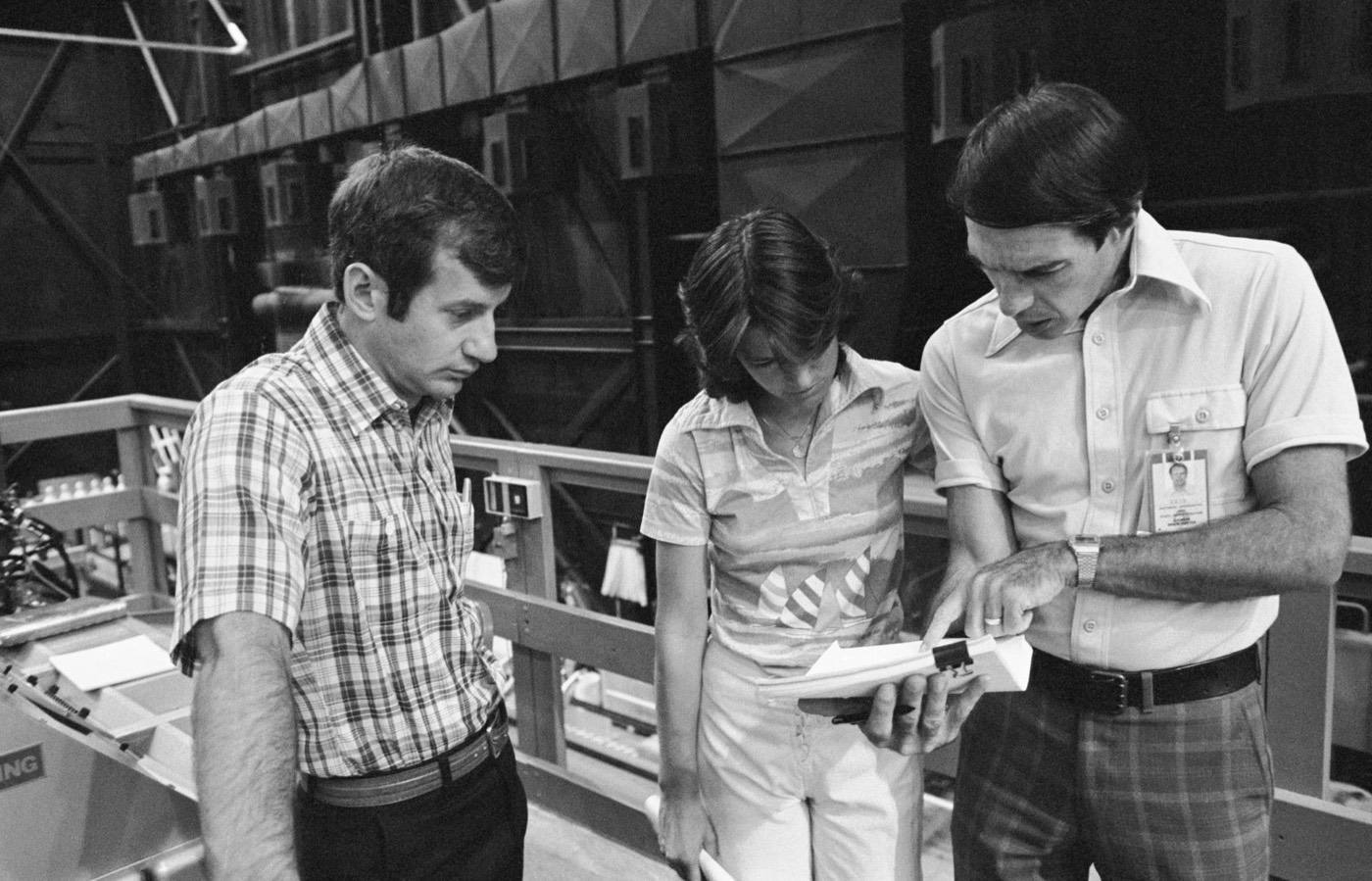
The Impact of Overzealous Claims
These ambitious claims have garnered significant public support, but they also set the stage for disappointment. When launches are postponed or canceled altogether, it fosters skepticism among the very people whose enthusiasm is crucial for funding and support. The public’s trust is a delicate commodity, and the repeated failure to deliver on promises risks undermining the entire program.
"The thrill of exploration should not overshadow the painstaking realities of scientific progress."
The contrast between the rhetoric and the reality is stark. While the government promotes a vision of a bustling future in space where launches occur monthly, the truth is that technical challenges - from rocket design to the intricacies of payload delivery - require time and meticulous attention. The space community must navigate these complexities carefully to avoid further alienating the public.
Political Posturing on Both Sides
Both left and right political factions have seized upon the space program as a platform for their agendas, often amplifying the dichotomy between public claims and the actual achievements of the program. On the left, some advocates for science find themselves caught up in the fervor of space exploration, championing it as a pathway to technological utopia without acknowledging the scientific and financial hurdles that remain. Their rhetoric risks creating an unrealistic narrative that may backfire when confronted with the limitations of current technology.
Conversely, some conservatives have been quick to criticize the space program as an unnecessary expenditure, demanding accountability and a more transparent evaluation of costs versus benefits. While their skepticism may be warranted, it can sometimes veer into outright dismissal of the potential for scientific advancement. This binary view fails to recognize the middle ground that appreciates the value of exploration while advocating for pragmatism in funding and execution.
Looking Ahead: Bridging the Gap
To reconcile the gap between public expectations and the realities of space launches, it is vital for the space community, policymakers, and media outlets to engage in honest dialogue. Transparency is essential; the public deserves to know not just the bold visions but also the hurdles that lie ahead. Open discussions about the engineering challenges, budget constraints, and realistic timelines can foster a more informed citizenry.
Moreover, educational initiatives can play a crucial role in aligning public perception with scientific realities. By investing in outreach programs that emphasize the complexities of space launch technology and the significance of incremental progress, we can cultivate a more nuanced understanding of the space program. This will not only bolster public support but also encourage a more informed debate about the future of space exploration in our society.
Conclusion: A Call for Realism
As we stand on the brink of new discoveries, it is imperative that we temper our enthusiasm with realism. The space program is a remarkable endeavor that holds the potential for extraordinary advancements, but it cannot be built on a foundation of exaggerated claims. Both advocates and critics must engage in constructive dialogue that recognizes the complexities involved. Only by doing so can we hope to realize the dream of space exploration without succumbing to disillusionment.
✦ ✦ ✦