From the file. Written for the paper dated December 1981. Opened in the public stacks July 14, 2026.
In the ongoing debate surrounding science education in the United States, tensions between progressive and traditional approaches have reached a fever pitch. This week’s discourse reveals the increasingly polarized views of educators, parents, and policymakers, leaving us to wonder: what path should we truly take in fostering scientific literacy among our youth?
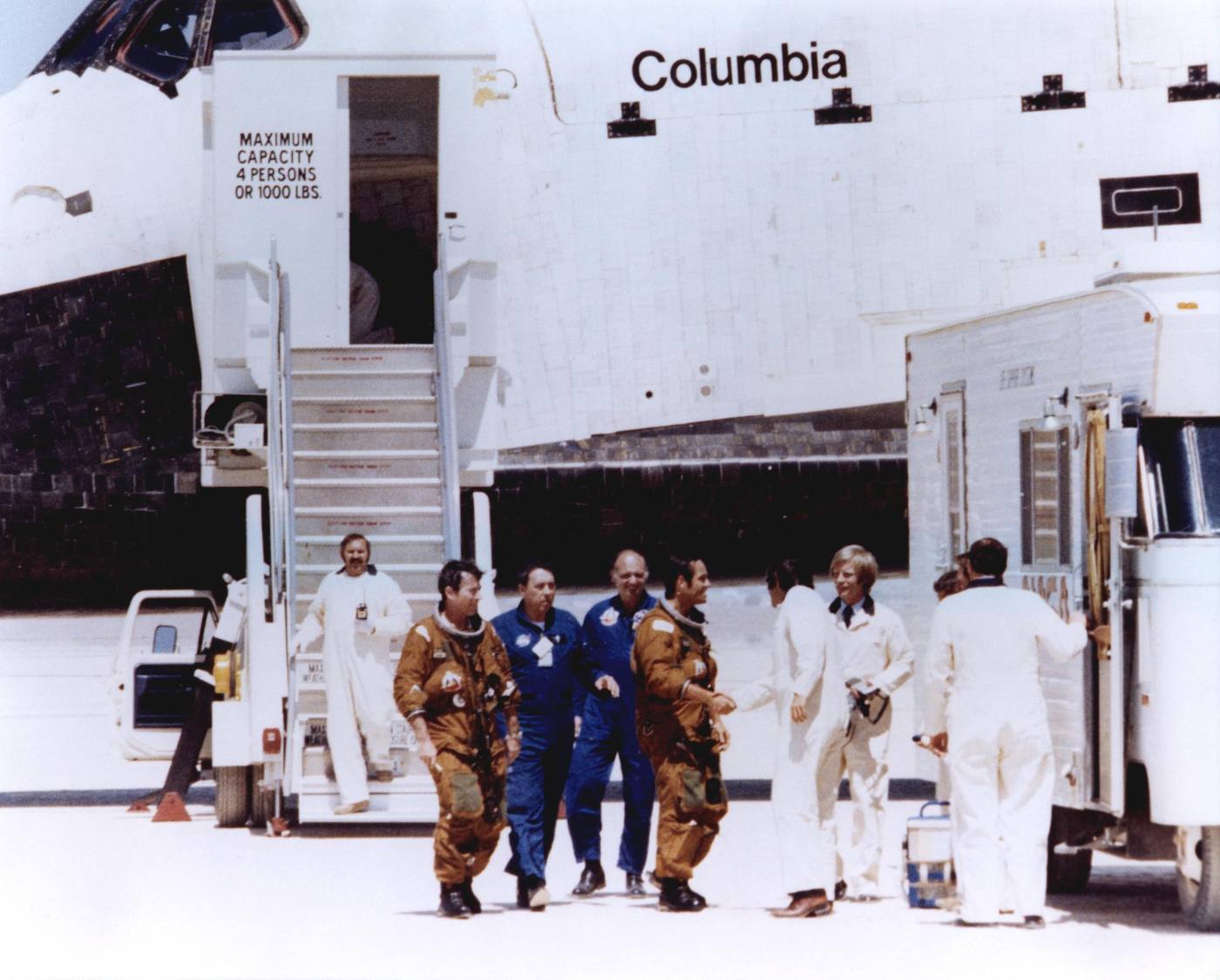
The Divide in Science Education
As we delve into the current landscape of science education, it is clear that the divide between the left and right has become a significant barrier to progress. On one hand, progressive educators argue for a curriculum that embraces inquiry-based learning, encouraging students to ask questions and explore scientific concepts through hands-on experiences. They advocate for a move away from rote memorization and standardized testing, believing that fostering curiosity is key to nurturing the next generation of innovators.
Conversely, many traditionalists champion a more structured approach, emphasizing the importance of foundational knowledge and rigorous standards. They argue that without a solid grounding in basic scientific principles, students may struggle to understand more complex topics as they advance in their studies. This perspective often leads to an emphasis on textbook learning and a focus on measurable outcomes, which some critics argue stifles creativity and critical thinking.
The Role of Standardized Testing
At the heart of this debate lies the issue of standardized testing. Proponents argue that these assessments provide a necessary metric for evaluating student performance and ensuring accountability within the education system. They contend that without such measures, we risk allowing educational disparities to widen further, particularly in underserved communities.
However, opponents of standardized testing are quick to point out the drawbacks of such an approach. They argue that these tests often fail to capture a student's full potential, reducing complex subjects to mere numbers. Moreover, they argue that the pressure to perform can lead to teaching to the test, thereby undermining the very essence of education as a means of fostering critical thinking and creativity.
"The pressure to perform can lead to teaching to the test, undermining the essence of education."
The Need for a Middle Ground
As we navigate these choppy waters, it becomes increasingly clear that a middle ground must be sought. Rather than viewing science education as a battleground between opposing ideologies, we should aim to create a more holistic approach that incorporates the strengths of both progressive and traditional methods. This could involve integrating inquiry-based learning with a strong foundation in core scientific principles, allowing students to explore while still understanding the basics.
Furthermore, we must re-evaluate the role of standardized testing within this framework. Rather than relying solely on high-stakes assessments, educators could explore alternative evaluation methods that provide a more comprehensive picture of student understanding and growth. Portfolios, project-based assessments, and other innovative approaches could complement traditional testing, offering a more nuanced view of student performance.
Engaging Communities in Science Education
Another crucial aspect of improving science education lies in engaging communities. Parents, educators, and local organizations must work together to create supportive environments that foster scientific inquiry. This can involve hosting community science fairs, establishing after-school programs, and encouraging mentorship opportunities that connect students with professionals in scientific fields.
Moreover, it is essential to cultivate an appreciation for science beyond the classroom. The media has a role to play in promoting scientific literacy, providing accessible information that sparks curiosity and encourages critical thinking. As we face pressing global challenges such as climate change and public health crises, it is vital that citizens are equipped with the knowledge and skills to engage in informed discussions and decision-making.
Conclusion: A Call to Action
In conclusion, the future of science education in America rests on our ability to bridge the gap between progressive and traditional viewpoints. By embracing a multifaceted approach that values both inquiry and foundational knowledge, we can foster a generation of scientifically literate individuals prepared to tackle the challenges of tomorrow. It is time for educators, parents, and policymakers to come together in a concerted effort to ensure that our students are not only well-versed in scientific principles but also inspired to explore the wonders of the world around them.
✦ ✦ ✦