From the file. Written for the paper dated December 1981. Opened in the public stacks July 14, 2026.
In a political climate marked by polarization, the recent discourse surrounding line item politics reveals the excesses of both the left and the right, as legislators grapple with the implications of prioritizing individual budget items over comprehensive policy solutions.
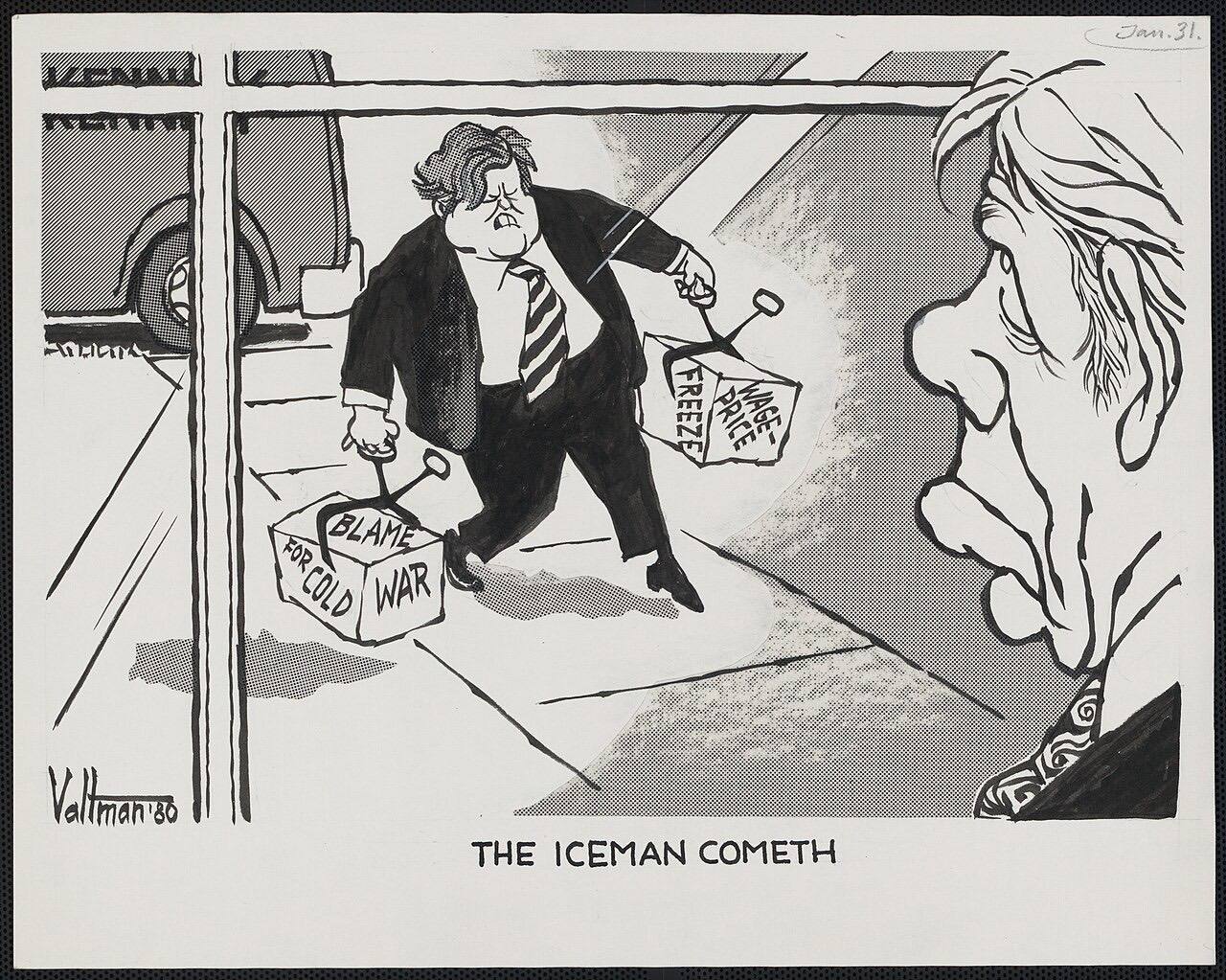
Understanding Line Item Politics
Line item politics, a term that has gained traction in recent debates, refers to the practice of dissecting budgets into specific items that can be individually voted on. While this approach allows for greater transparency and accountability in governmental spending, it also risks leading to a fragmented legislative process, where the bigger picture is often lost amidst the minutiae of funding allocations.
The Left's Overreach
On the left, there is a tendency to champion every line item that aligns with progressive ideals, often disregarding the fiscal realities that accompany these decisions. Proposals for expansive social programs are frequently presented without a thorough examination of their long-term sustainability. As legislators push for funding allocations to address issues such as healthcare, education, and welfare, they must also consider the potential consequences of such spending on the national debt and taxpayers.
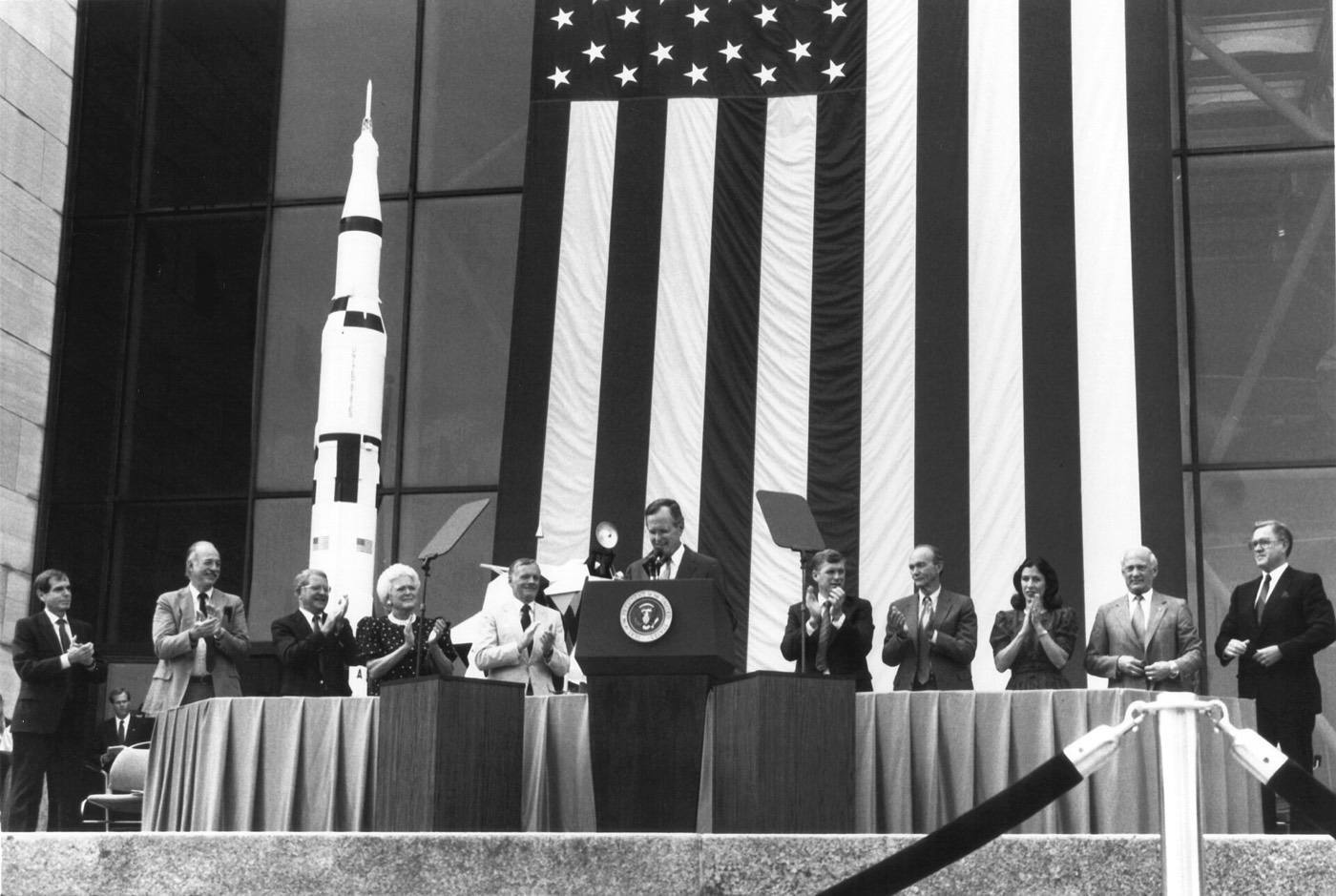
"Budgeting should be about more than just individual line items; it needs to reflect a coherent vision for the future."
The Right's Rigid Stance
Conversely, the right's response to line item politics often manifests as a blanket rejection of spending increases, with a steadfast adherence to fiscal conservatism. This inflexible approach can stifle necessary investments in infrastructure, public services, and social safety nets. By focusing solely on cutting expenditures, the right risks neglecting the very constituents they aim to protect, creating a paradox where the pursuit of fiscal responsibility leads to a failure to address pressing societal needs.
A Call for Middle Ground
What is needed, then, is a middle ground that recognizes the importance of both responsible spending and the necessity of effective social programs. It is essential for lawmakers from both sides of the aisle to engage in constructive dialogue, seeking solutions that balance fiscal prudence with the moral imperative to support those in need. This could mean re-evaluating existing programs for efficiency and effectiveness while also being open to innovative funding solutions that do not disproportionately burden taxpayers.
Political Implications
The implications of these excesses are profound. As both sides dig in, the potential for bipartisan cooperation diminishes, leading to legislative gridlock. Voters are left frustrated, witnessing the deterioration of effective governance as representatives become more entrenched in their ideological positions. The challenge lies in breaking this cycle and finding a way to navigate the complexities of budgetary politics in a manner that serves the nation as a whole.
Conclusion: A Path Forward
In conclusion, the discourse surrounding line item politics encapsulates the broader struggle within American governance. The left must temper its ambitions with fiscal realities, while the right must recognize that some level of investment is necessary for societal progress. Only through mutual respect and a commitment to collaboration can we hope to create a political environment that fosters both prosperity and equity.
✦ ✦ ✦