From the file. Written for the paper dated October 1981. Opened in the public stacks July 14, 2026.
In an era defined by rapid technological advances and rising public interest in scientific discovery, the state of science education remains a topic of critical concern. As both the left and the right grapple with their narratives, one must wonder - are we focusing too much on the noise and not enough on the boring yet essential mechanisms of learning?
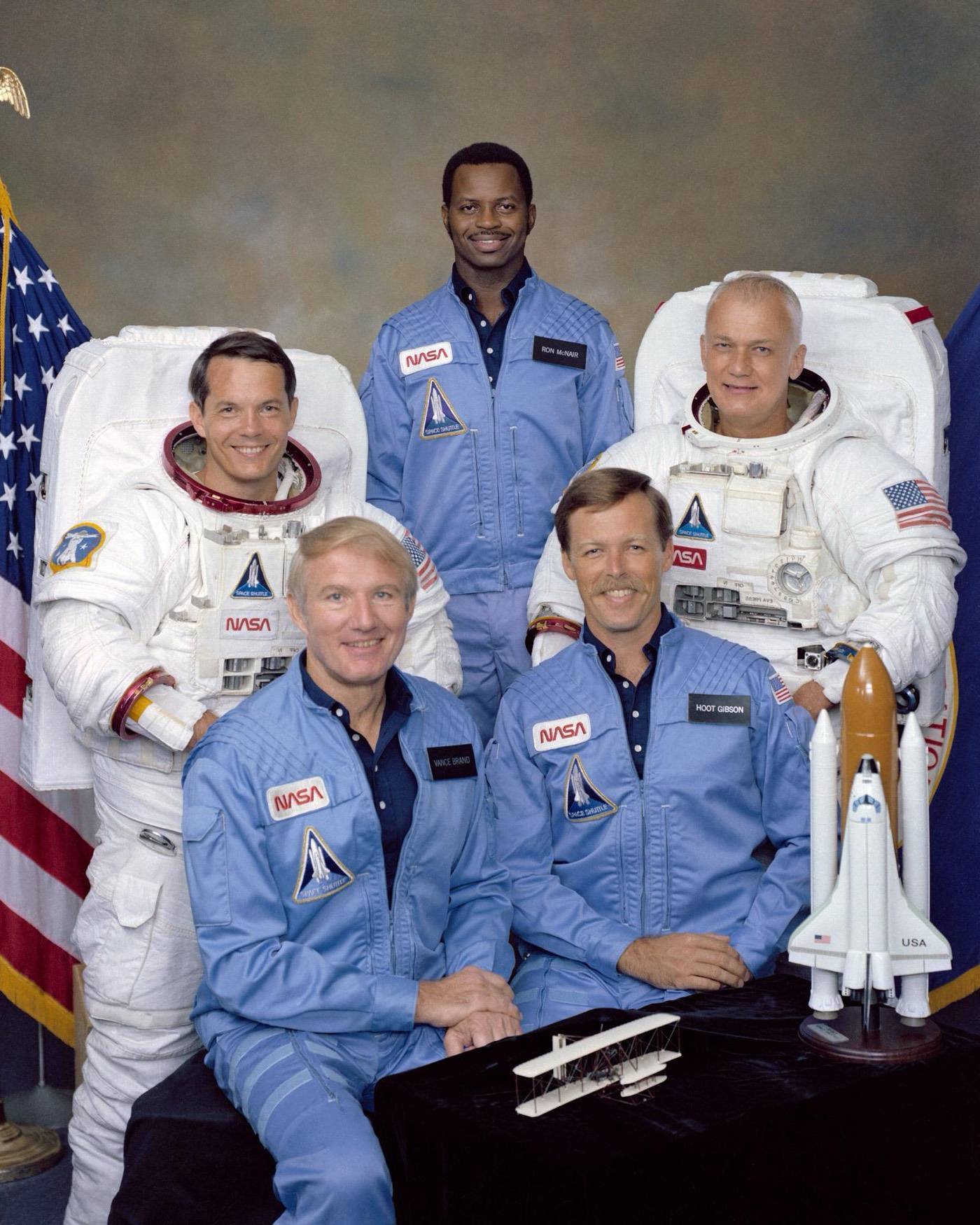
The Sound and the Fury of Science Education
Across the nation, debates rage about the content and methods of science education. The left champions an inclusive curriculum that emphasizes the social implications of scientific advancements, while the right often pushes for a more traditional approach that prioritizes foundational knowledge and skills. Both sides, however, seem to lose sight of a crucial point: science education should be less about ideological battles and more about equipping students with the ability to think critically and solve problems.
As we delve into the current state of our science classrooms, we must recognize that the noise generated by these ideological disputes often overshadows the actual mechanisms that drive effective learning. The focus on flashy experiments and sensationalized discoveries can detract from the fundamental principles that underpin scientific inquiry. Students should not merely be spectators to the drama of science; they need to understand its underlying principles and methodologies.
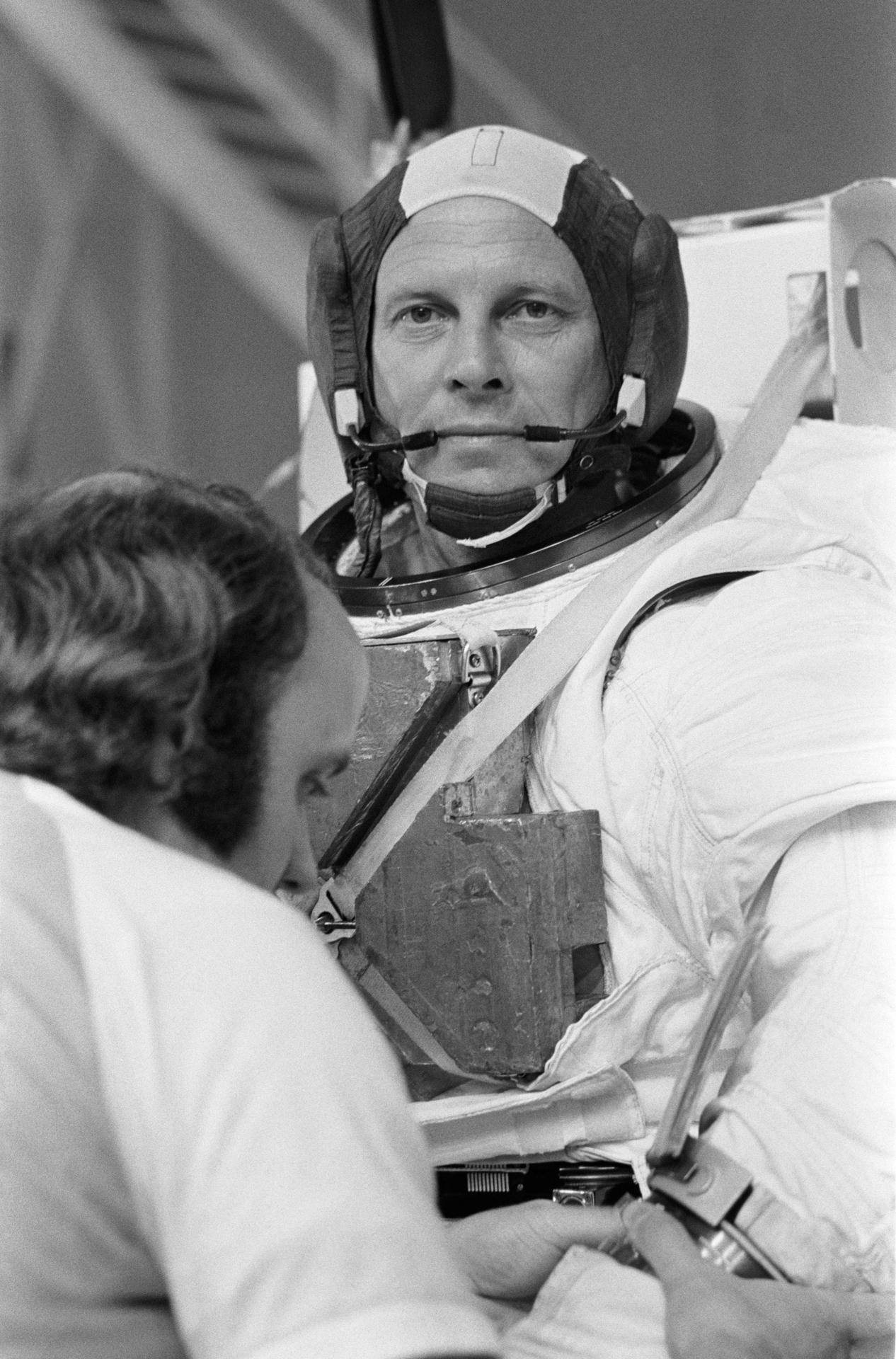
"In the race for educational reform, let us not forget that true understanding comes from the mundane practice of inquiry and analysis."
The Mechanisms of Learning
Effective science education relies on established learning mechanisms that may appear dull but are, in fact, essential for developing a robust scientific literacy. Critical thinking, for instance, is not simply a skill to be taught; it is a complex mechanism that develops over time through practice and exposure to various scientific concepts. This is where the current educational discourse often falters.
Rather than fostering environments where students can explore, question, and challenge their understanding, many classrooms focus on rote memorization or superficial engagement with the material. The left often criticizes the right for promoting curricula that disengage students from the real world, while the right decries the left's attempts to politicize science. But amid these accusations, the core principles of science education - experimentation, observation, and reasoning - are at risk of being neglected.
Bridging the Divide
So, how can we bridge this divide? One potential solution lies in adopting a balanced approach that integrates the strengths of both ideological camps. The left’s emphasis on real-world applications and the right’s insistence on foundational knowledge can coexist. By creating curricula that stress scientific literacy while also addressing the societal impacts of scientific advancements, we can cultivate a generation of students who are not only knowledgeable but also responsible citizens.
Moreover, we must also consider the role of educators in this equation. Teachers should be equipped not just with content knowledge, but also with the pedagogical skills necessary to engage students in meaningful ways. Professional development opportunities that focus on innovative teaching methods and interdisciplinary approaches can help educators foster environments conducive to inquiry-based learning.
The Role of Community and Family
Parents and community members also play a crucial role in shaping science education. As advocates for their children, they must push for curricula that prioritize critical thinking over ideological conformity. Engagement with local science fairs, museums, and other educational institutions can reinforce the importance of science while also providing students with essential hands-on experiences.
However, we must also recognize the pitfalls of excessive parental involvement that seeks to impose narrow ideological views on educational content. Education should not be a battleground for cultural conflicts; rather, it should be a collaborative effort that seeks to enlighten and empower the next generation.
Conclusion
In conclusion, as we examine the current landscape of science education, it is imperative that we strive for a balance between the ideological extremes that currently dominate the conversation. By focusing on the boring yet necessary mechanisms of learning, we can create an environment that fosters critical thinking, creativity, and innovation. The noise of political disputes should not drown out the essential work of cultivating scientifically literate citizens.
✦ ✦ ✦