From the file. Written for the paper dated October 1981. Opened in the public stacks July 14, 2026.
As the debate around minimum wage intensifies, voices from both sides drown out the underlying economic mechanisms that govern this contentious issue.
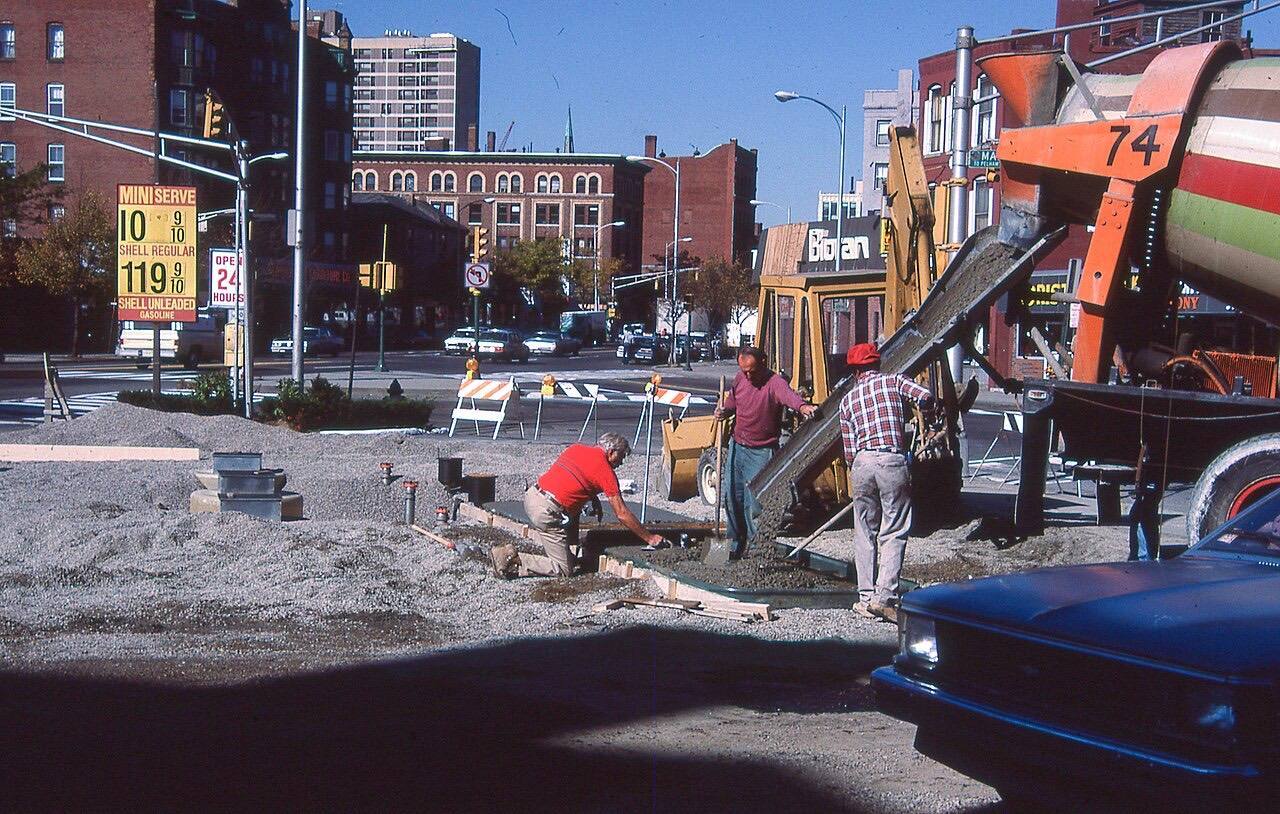
The Voices of Protest and Support
In recent weeks, the clamor surrounding the minimum wage has reached a fever pitch. Advocates argue passionately for an increase, citing the need for workers to keep pace with inflation and rising living costs. On the other hand, opponents warn that raising the wage floor could lead to widespread job losses and economic instability. Both sides seem to be entrenched in their positions, leaving little room for a meaningful discussion about the fundamental economic principles at play.
"The debate is filled with emotion, but we must not forget the economic realities that dictate the outcomes of such policies."
Understanding the Underlying Mechanisms
The minimum wage is more than just a number; it is a reflection of complex economic forces at work. When policymakers consider increasing the minimum wage, they must grapple with the balance between providing a living wage for workers and ensuring that businesses can thrive. Economists warn that while raising the minimum wage may seem beneficial in the short term, it can create a ripple effect that impacts employment rates, inflation, and overall economic health.
For instance, businesses faced with increased labor costs may resort to cutting jobs, reducing hours, or even raising prices to maintain profit margins. This potential outcome raises a critical question: at what point does the increase in minimum wage exceed the capacity of businesses to absorb the cost?
The Left's Passionate Call for Change
Advocates on the left have made it clear that they view the minimum wage as a moral issue. They argue that every worker deserves a fair wage that reflects their contributions to the economy. This sentiment resonates strongly in communities where workers struggle to make ends meet. However, the fervor with which these advocates push for change often overshadows the need for a pragmatic approach. By focusing solely on the emotional aspects of the argument, they risk alienating moderate voices who might otherwise support reasonable wage increases.
The Right's Cautionary Stance
Conversely, the right's resistance to raising the minimum wage is often couched in a fear of economic repercussions. While concerns about job losses and inflation are valid, this perspective can sometimes come across as dismissive of the genuine struggles faced by low-wage workers. An unwavering adherence to free-market principles, without consideration of the human element, risks creating a divide that stifles constructive dialogue.
Finding Common Ground
What is crucial at this juncture is a return to a more balanced discussion - one that recognizes the legitimate concerns of both sides. The challenge lies in crafting policies that address the needs of workers while also considering the economic realities that businesses face. Policymakers must engage in dialogue that is informed by data rather than driven solely by ideology.
One possible compromise could involve phased increases to the minimum wage, allowing businesses time to adjust while still providing relief for workers. Another approach might include targeted support for small businesses, helping them to absorb the costs associated with wage increases. Creative solutions are necessary to bridge the divide and create a more sustainable economic environment for all parties involved.
The Road Ahead
The debate over minimum wage is unlikely to subside any time soon. As the economy continues to evolve and the pressures on both workers and businesses grow, it is imperative that discussions remain grounded in economic realities rather than rhetoric. Both sides of the aisle must acknowledge the complexities of this issue, recognizing that a one-size-fits-all solution is not feasible.
In this age of political polarization, a collaborative approach may be the only way forward. It is time for both left and right to engage in a dialogue that prioritizes the well-being of workers while also safeguarding the economic stability necessary for growth and innovation.
✦ ✦ ✦