From the file. Written for the paper dated September 1981. Opened in the public stacks July 14, 2026.
As the dust settles on the latest military engagements, the debate surrounding war powers in the United States has intensified. From the halls of Congress to the cafes of Main Street, Americans are grappling with questions of identity and authority in the context of foreign conflict.
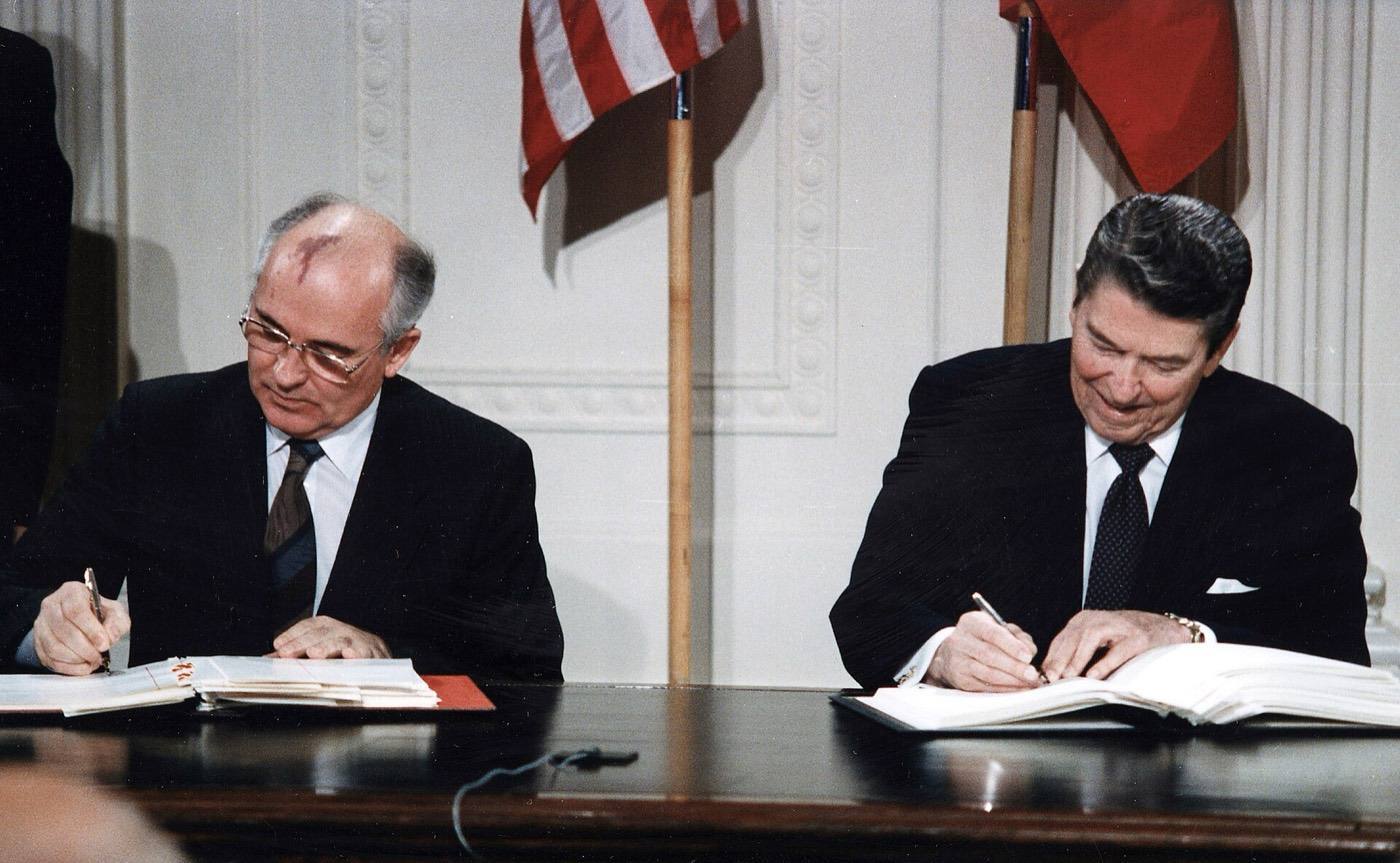
Foregrounding the Debate
The recent military activities in various global hotspots have reignited a long-standing discussion about the constitutional powers of the President versus those of Congress. In the wake of the Vietnam War, there has been a push to ensure that the checks and balances laid out in the Constitution are honored, particularly when it comes to committing American troops to combat. Yet, the complexities of modern warfare have made this a tangled web of conflicting opinions.
On one side, there are proponents of a strong executive branch. They argue that the President must have the ability to act swiftly in a world where threats can emerge without warning. They cite recent events as justification for an expansive interpretation of presidential war powers, claiming that only the Commander-in-Chief can adequately respond to such dynamic situations.
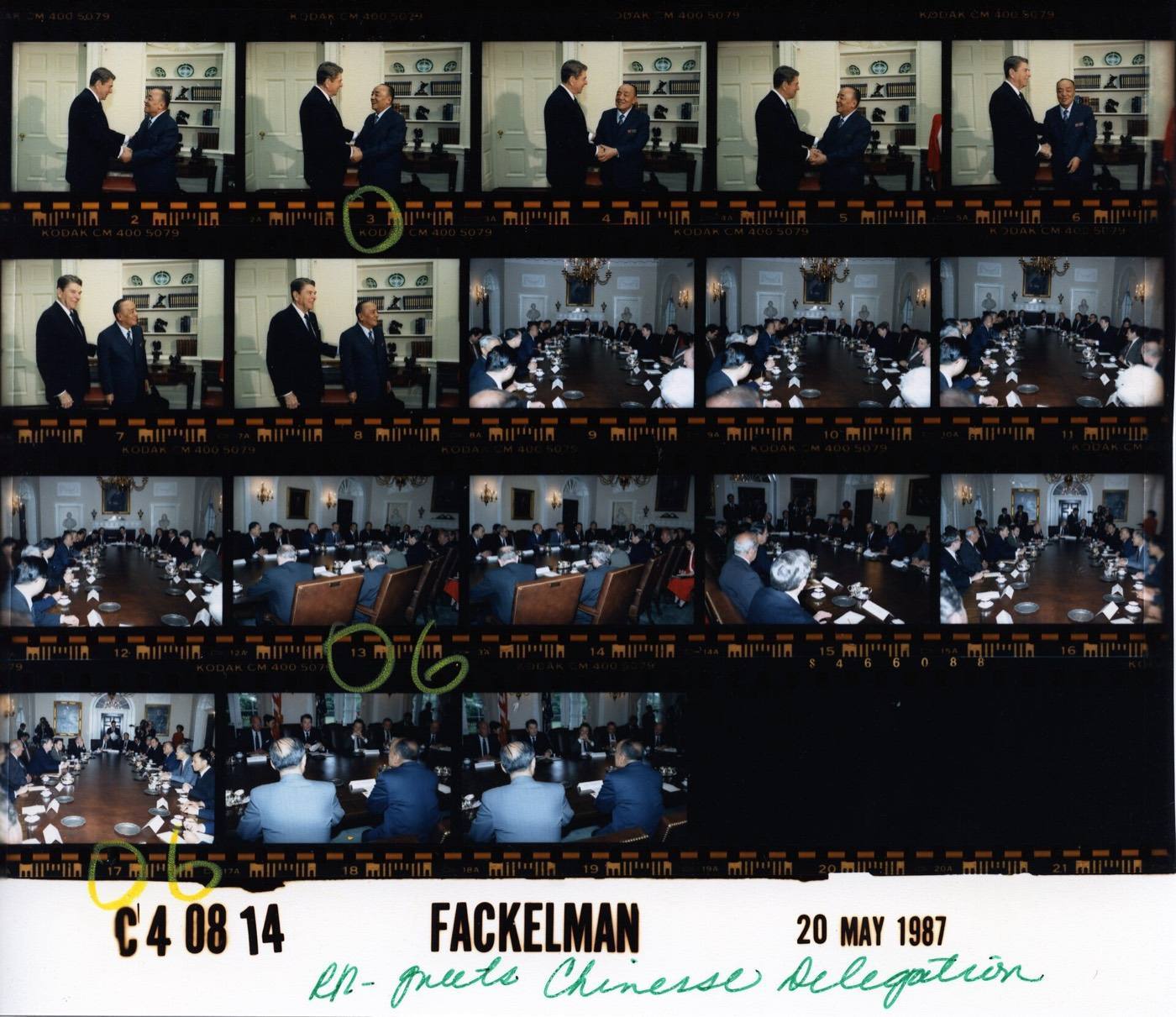
Conversely, critics of this view emphasize the necessity of congressional oversight. They argue that unchecked executive power risks dragging the nation into conflicts that may not serve the American public interest. The War Powers Resolution of 1973 was a direct response to the overreach of power witnessed during the Vietnam War, and many believe it is essential to uphold it to prevent future misadventures.
A Matter of Identity
At the heart of this debate is a question of national identity. Americans pride themselves on a democratic system that mandates accountability and deliberation. The idea that one individual can unilaterally decide to send troops into harm's way raises alarms about the very nature of American democracy. But how do we reconcile this with the need for rapid response in a world filled with hostility?
Moreover, the identity of America on the global stage is at stake. As we navigate these tumultuous waters, the image of the United States as a beacon of democracy faces scrutiny, both domestically and internationally. Are we to be seen as a nation that honors its democratic principles, or one that prioritizes military might over diplomatic engagement?
The pendulum of public opinion swings in response to immediate events, making it difficult to discern a clear path forward. Support for military action often ebbs and flows with news cycles, creating an environment ripe for political exploitation. Leaders on both sides of the aisle have been accused of manipulating public sentiment to further their own agendas. The left often rallies around anti-war sentiments, while the right can be quick to bolster nationalist fervor, framing military interventions as necessary for American supremacy.
Critique of Left and Right Excesses
As we observe the extremes of both sides, the left's tendency to vilify military action can lead to a paralysis in decision-making. While advocating for peace is noble, the outright rejection of military intervention can sometimes ignore the realities of global threats. The need for a balanced approach is paramount, where the desirability of diplomacy does not come at the expense of national security.
On the right, the allure of militaristic solutions can overshadow the importance of multilateral diplomacy. There is a danger in viewing military action as the first line of defense rather than a last resort. This perspective risks entrenching the United States in conflicts that may ultimately counteract our interests and weaken our moral standing internationally.
"In an increasingly complex world, a nuanced understanding of power dynamics is essential for both sides."
As citizens, we must demand that our leaders engage in a more thoughtful dialogue about war powers, one that transcends party lines. It is crucial that we hold our elected officials accountable for their decisions, ensuring they consider the consequences of military action not just in terms of immediate threats, but also in the context of long-term national identity and values.
Conclusion: A Call for Reflection
The war powers debate is not merely an academic exercise; it is a reflection of who we are as a nation. As the political climate continues to shift, it is vital that we remain vigilant in our pursuit of a balanced approach to foreign policy. The stakes are high, and the choices we make today will resonate for generations to come.
✦ ✦ ✦