From the file. Written for the paper dated August 1981. Opened in the public stacks July 14, 2026.
In a time when public trust in government is increasingly fragile, the discrepancies between official claims and the realities captured in diplomatic cables present a troubling picture of our nation’s foreign policy.
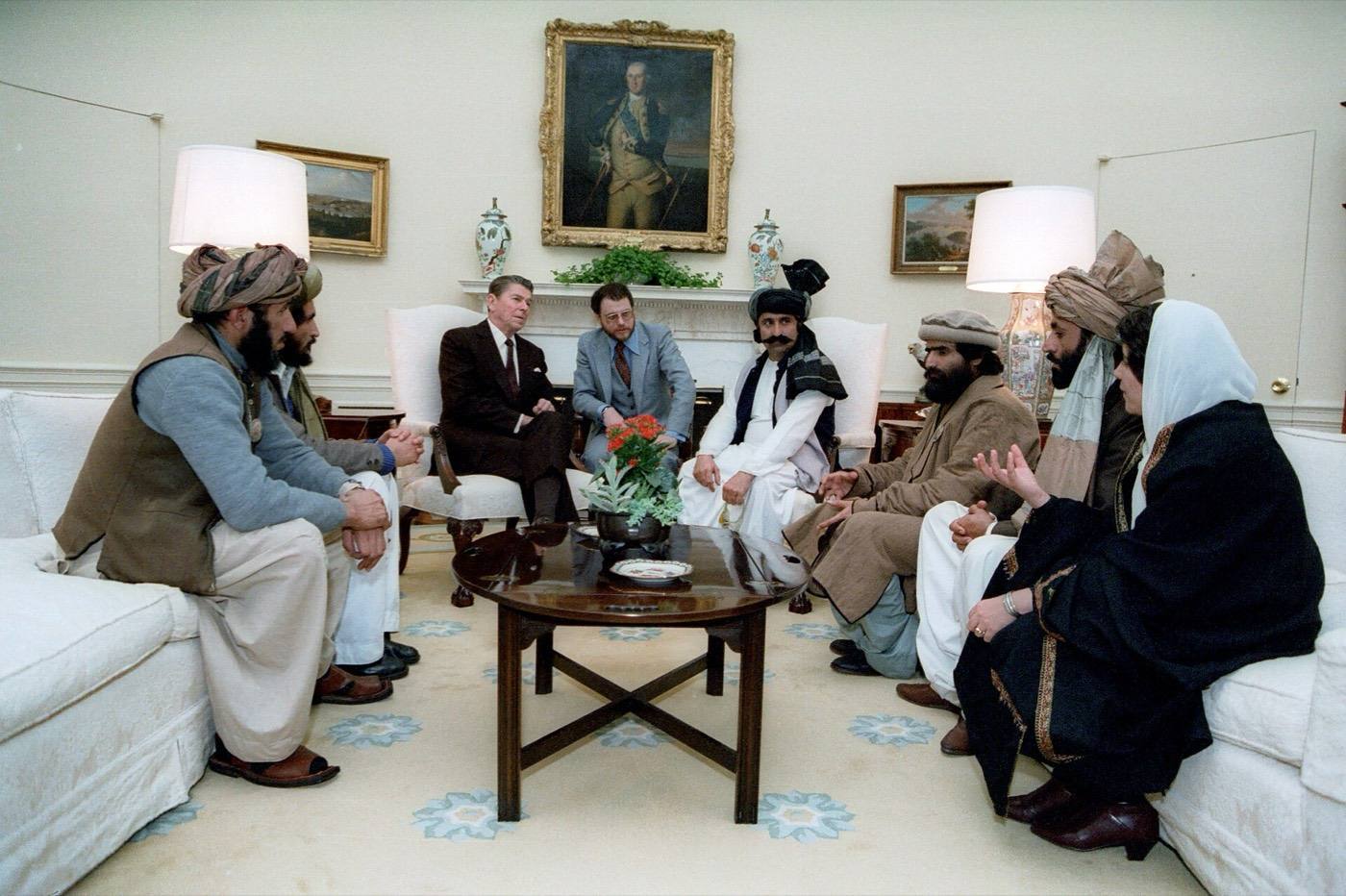
Unpacking the Disconnect
Recent revelations regarding diplomatic cables have sparked debate over the authenticity of government narratives. While officials tout successes abroad, the content of these cables often tells a different story - one that is more complicated and, at times, disheartening. This dissonance raises critical questions about transparency and accountability in Washington.
For instance, when the administration speaks of progress in diplomatic relations with key allies, one must wonder about the nuanced realities that may not align with the optimistic public statements. The cables reveal underlying tensions that are glossed over in public discourse. This pattern suggests a troubling tendency to prioritize image over substance, leading to a public left in the dark about the true state of international relations.
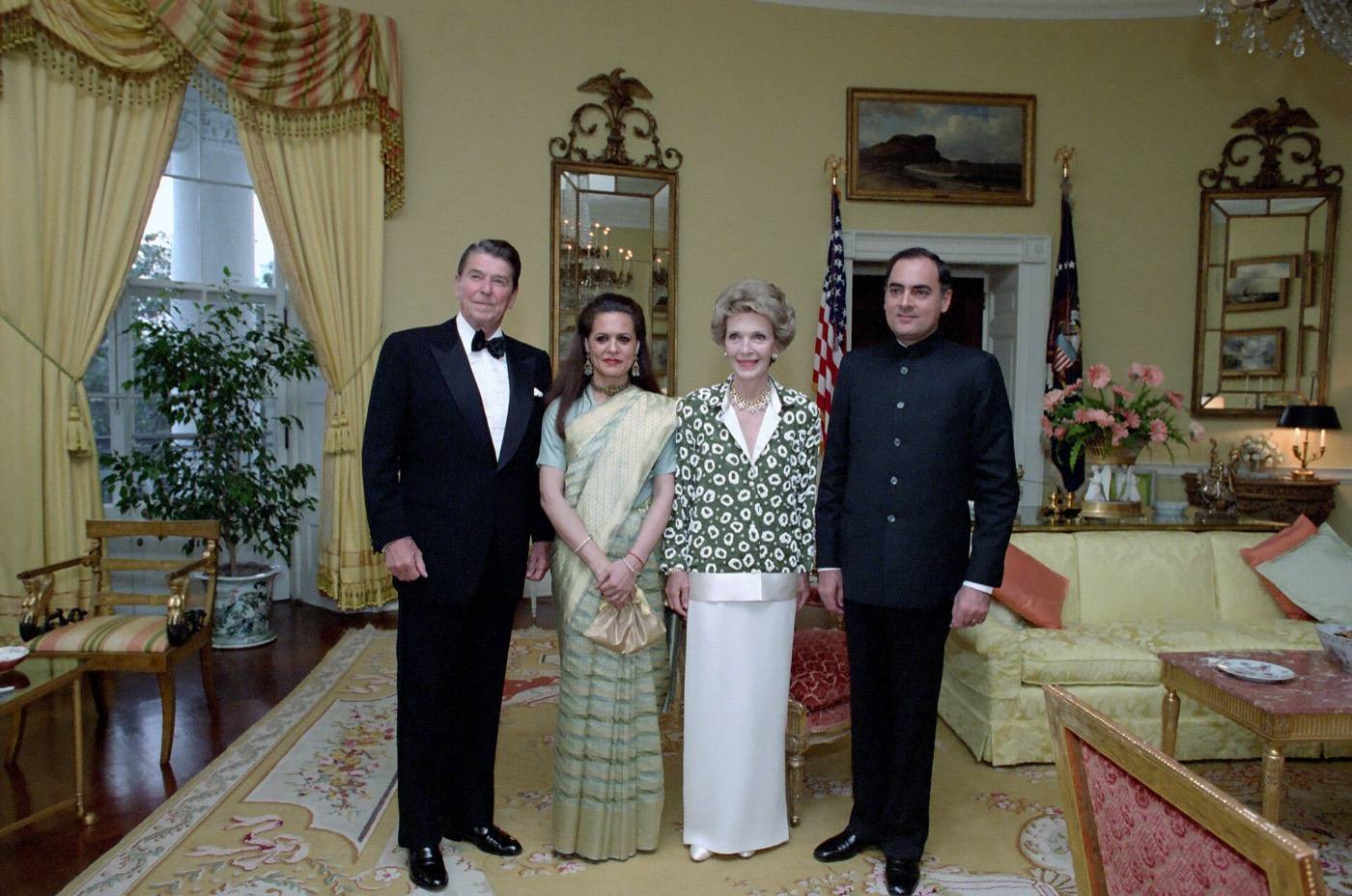
“Diplomatic efforts are often portrayed as triumphs, but the reality is frequently more complex than the rhetoric suggests.”
It is essential to recognize that this issue is not confined to one political party. Both the left and the right have engaged in selective messaging, leveraging diplomatic successes to bolster their respective agendas while downplaying or ignoring failures. This bipartisan trend risks the erosion of public trust, as citizens become increasingly aware of the discrepancies between what they are told and what is actually happening on the ground.
Left-Wing Optimism Versus Right-Wing Realism
The left has been particularly guilty of painting an overly rosy picture of global interactions, often framing initiatives like arms reduction and peace treaties as unqualified victories. While the intentions behind these policies are commendable, the cables sometimes reveal that negotiations are fraught with challenges. For example, while a peace agreement may be signed, underlying animosities and unresolved issues remain. The tendency to celebrate these agreements without acknowledging their tenuous nature risks creating a false sense of security among the populace.
Conversely, the right often adopts a more skeptical stance, emphasizing potential threats and failures in diplomacy. While it is crucial to remain vigilant and address genuine concerns, this approach can lead to alarmism that oversimplifies complex international dynamics. Diplomatic cables frequently reflect a world where cooperation and conflict coexist, yet the narrative from the right can lean towards a binary perspective that does not account for the intricacies involved in foreign relations.
The Importance of Transparency
As citizens, we are entitled to a clear understanding of our government’s actions and intentions abroad. The tension between public claims and the realities outlined in diplomatic cables underscores the necessity for transparency. Without it, the public remains vulnerable to manipulation, left to fill in the blanks with speculation and mistrust.
The stakes are high. A well-informed citizenry is crucial for a functioning democracy, yet the current state of affairs suggests that many are left in the dark. The public deserves to know the full story behind diplomatic efforts, including the difficulties and challenges that may accompany them. This is not merely an issue of political accountability but also one of national security. Misjudgments stemming from incomplete information can have dire consequences, both domestically and internationally.
Conclusion: Bridging the Gap
In this age of information, the gap between public claims and the actual record must be bridged. Citizens must demand clarity from their leaders, while politicians on both sides of the aisle should strive for honesty in their communications. The complexities of diplomacy require a nuanced understanding from the public, and it is incumbent upon our leaders to foster that understanding rather than obfuscate it with overly simplistic narratives.
As we navigate the turbulent waters of international relations, let us not lose sight of the importance of truth. A well-informed populace is not just a passive audience; it is an active participant in the democratic process. It is time for our leaders to reflect this reality in their public statements and for the public to hold them accountable.
✦ ✦ ✦