From the file. Written for the paper dated July 1981. Opened in the public stacks July 14, 2026.
In a world that is increasingly driven by the immediacy of headlines and the fervor of public opinion, the virtue of patience often finds itself overlooked. As news cycles accelerate and the demands for rapid responses intensify, we must ask ourselves: what is the cost of this impatience?

The Erosion of Thoughtfulness
In our quest for quick resolutions to pressing issues, both the left and the right have exhibited a troubling tendency toward hasty judgments and rash actions. Such behaviors not only endanger the integrity of political discourse but also threaten the very institutions that underpin our society. The left, in its zeal for justice and reform, sometimes forgets the importance of measured progression. Meanwhile, the right frequently rushes to defend traditional values without fully considering the implications of their stances.
These extremes, while often well-intentioned, can lead to a kind of institutional fragility. Institutions - whether they be government agencies, educational entities, or even the media itself - require time to adapt and respond to societal changes. Yet, as the pace of demands increases, these bodies risk becoming reactive rather than proactive. The result is a landscape where knee-jerk reactions overshadow thoughtful deliberation.
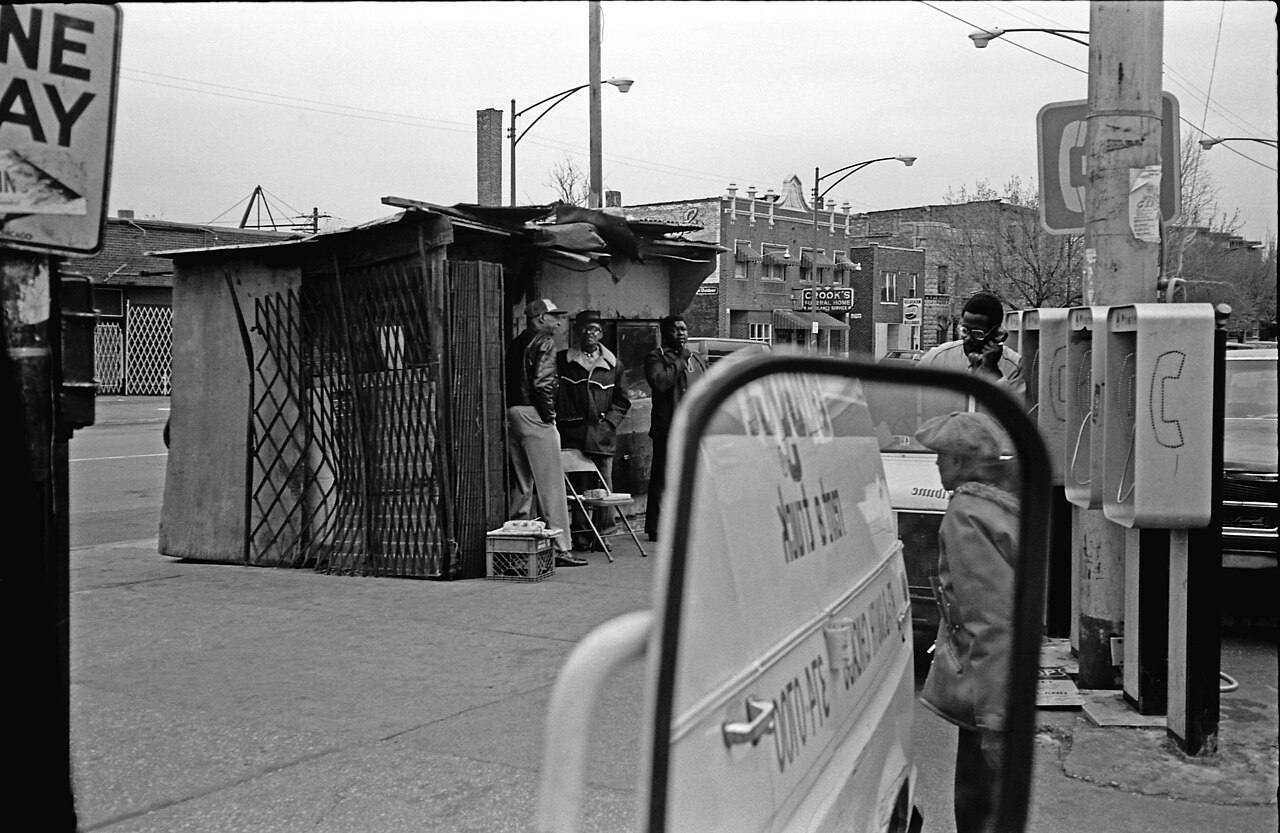
“In the race for immediate answers, we often sacrifice the quality of our discourse.”
Institutional Loyalty vs. Public Accountability
Our institutions often cloak themselves in a veneer of loyalty, prioritizing their own survival over public accountability. This is evident in the way various agencies respond to crises. When faced with scrutiny, they may resort to defensive tactics rather than engage with the concerns of the public. This creates a chasm between institutions and the very citizens they serve.
Take, for example, the ongoing discussions surrounding social welfare programs. While the left advocates for expansive reforms to address systemic inequities, the right raises alarms over potential abuses and inefficiencies. In this tug-of-war, both sides tend to overlook the importance of patience in crafting solutions. Instead of rushing to overhaul systems or impose austerity measures, a more prudent approach would involve a thorough examination of existing frameworks, allowing for a more nuanced understanding of what truly serves the public good.
The Media's Role in the Cycle
The media, too, plays a pivotal role in perpetuating this cycle of impatience. Headlines often prioritize sensationalism over substance, favoring stories that capture attention rather than those that foster deep understanding. The result is a public fed a steady diet of quick takes and sound bites, leaving little room for the complex discussions that are necessary for informed decision-making.
In this environment, institutions are further incentivized to respond rapidly, crafting their narratives in a way that sidesteps difficult questions. Yet, in doing so, they sacrifice the very trust that sustains their authority. The left often critiques media bias, while the right decries sensationalism. Yet both camps must recognize their own complicity in this cycle, which rewards the loudest voices over the most reasoned arguments.
Restoring Patience as a Cultural Norm
As we navigate this tumultuous period, it is vital that we collectively restore patience as a cultural norm. This does not mean shying away from necessary change or ignoring pressing issues. Rather, it calls for a commitment to thoughtful discourse, even in the face of urgency. Institutions must be granted the time and space to adapt, ensuring that their responses are not merely reactive but grounded in a comprehensive understanding of the challenges at hand.
Encouraging this patience requires a concerted effort from all sectors of society. Communities can foster environments where dialogue thrives, encouraging diverse perspectives and a willingness to engage with complexity. Educational institutions can prioritize critical thinking over rote memorization, equipping future generations with the tools necessary to navigate the intricacies of governance and social justice.
Conclusion: A Call for Reflection
In conclusion, the virtue of patience is not merely a personal attribute; it is a societal necessity. As we continue to grapple with the challenges that characterize our time, let us strive to cultivate a culture that values deliberation over impulsivity. Both the left and the right must recognize that in the rush to effect change, we risk undermining the very institutions that hold our democracy together. Only through patience can we hope to forge a future that is both just and sustainable.
✦ ✦ ✦