From the file. Written for the paper dated July 1981. Opened in the public stacks July 14, 2026.
In the realm of international relations, the machinations behind closed doors often tell a different story than the headlines that capture public attention. Recent diplomatic cables reveal the lengths to which institutions will go to protect their interests and maintain a favorable narrative.
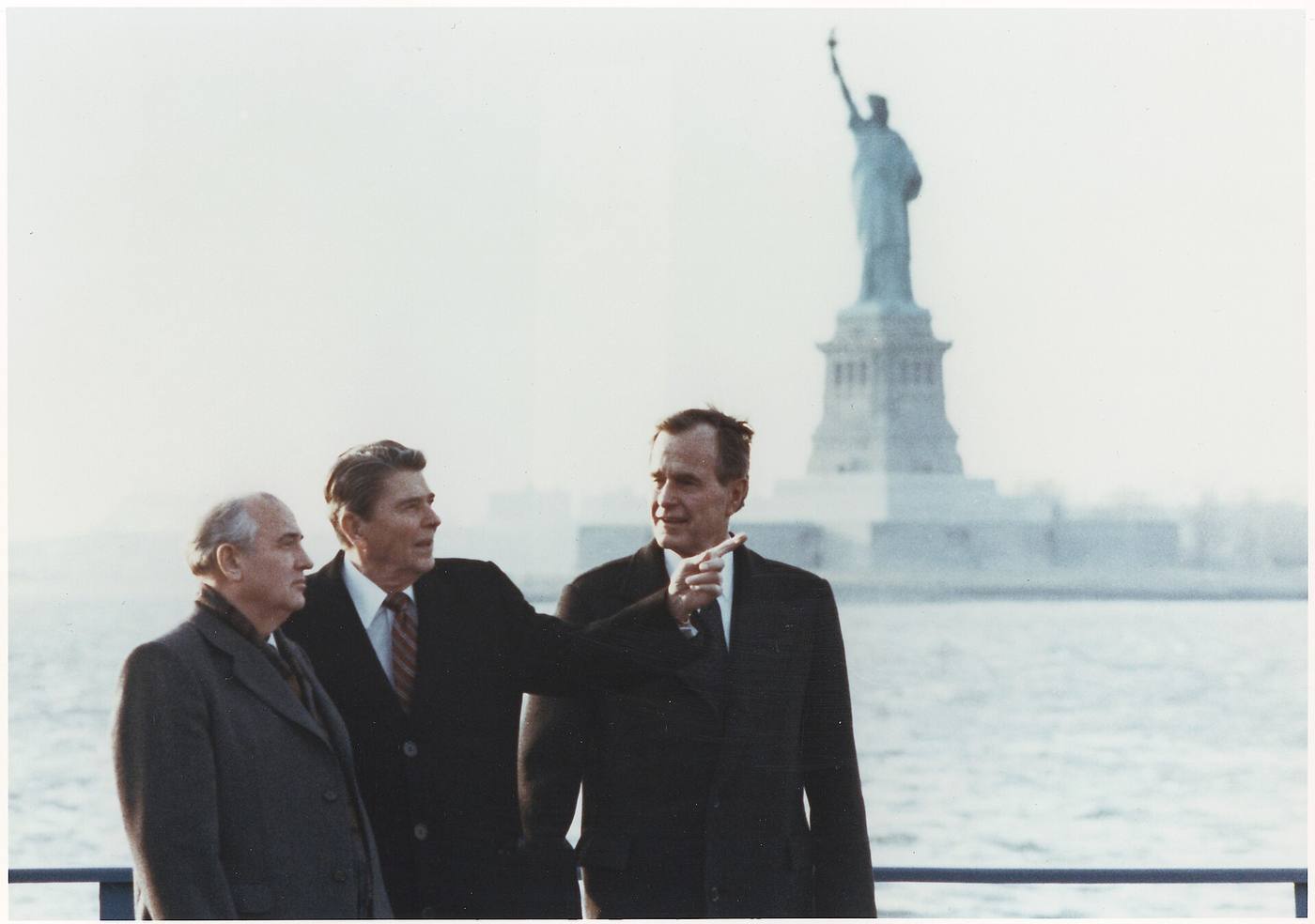
Behind the Curtain
As the tumult of global politics continues to unfold, the documents exchanged between nations serve as a vital lifeline for those in power. These cables, often laden with coded language, reflect not only policy but also the institutions' inherent desire to shield themselves from scrutiny. The tendency to obscure real intentions raises questions about transparency and accountability.
"The language in diplomatic cables is often designed to mislead or downplay the severity of issues at hand."
Take, for instance, the recent tensions in the Middle East. While public statements from both sides might suggest a willingness to engage in dialogue, the cables tell a more complex story of mistrust and caution. Officials craft their messages with the utmost care, often opting for euphemisms rather than direct confrontation. This careful choreography can foster an illusion of stability, while beneath the surface, real tensions simmer.
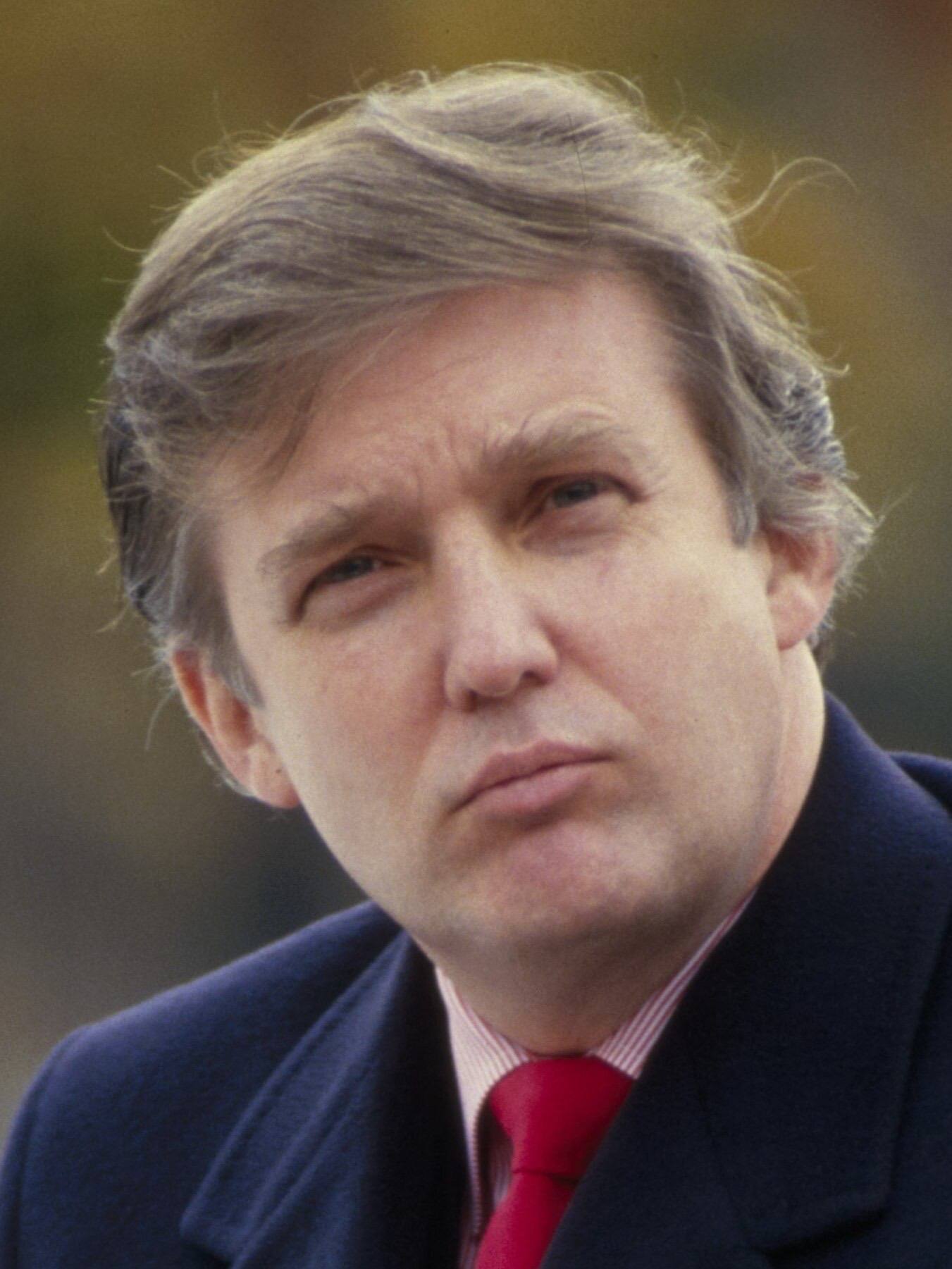
Institutional Self-Preservation
Whether it is a matter of national security or economic interests, institutions prioritize their survival over the truth. The diplomatic cables reflect this instinct for self-preservation. When crises arise, the first instinct is often to downplay the situation, projecting an image of control to both domestic and international audiences. This protective strategy can lead to a cycle of misinformation, where the truth is obscured in favor of maintaining the status quo.
In the current political environment, both left and right extremes contribute to this phenomenon. While the left often champions transparency and accountability, their calls can sometimes be drowned out by the very institutions they seek to reform. Leftist activists may find themselves frustrated by the slow pace of change, yet the reality is that entrenched institutions are rarely eager to relinquish their grip on power.
On the other end, the right frequently leans on nationalist rhetoric that can cloud judgment and obscure genuine diplomatic efforts. This tendency to prioritize national pride over pragmatic solutions can lead to an isolationist stance that ultimately undermines the very interests they seek to protect. The result is a political landscape where extreme positions perpetuate a cycle of mistrust and retreat from meaningful engagement.
A Call for Balance
What we need now is a balanced approach that recognizes the complexities of international diplomacy. Both sides of the political spectrum must engage in a dialogue that encourages genuine transparency while also fostering a spirit of cooperation. The current climate is charged with divisive rhetoric, making it all the more crucial for leaders to break free from the constraints of institutional self-interest.
"A balanced approach to diplomacy is essential for overcoming the polarization that stifles progress."
As citizens, we must demand accountability from our leaders, urging them to prioritize the truth over the politics of convenience. The consequences of ignoring these diplomatic dynamics can be dire, leading to miscalculations that jeopardize national security and global stability. As we sift through the noise of political posturing, let us remain vigilant in seeking the truth behind the headlines.
Conclusion: The Path Forward
In conclusion, the diplomatic cables of our time reveal a troubling reality: institutions will often prioritize their own survival over the truth. This self-serving instinct is exacerbated by the extreme positions taken by both the left and right, each contributing to a fractured political discourse. To foster genuine progress, we must demand greater transparency and accountability from our leaders, striving for a balanced approach to diplomacy that embraces the complexities of our world.
✦ ✦ ✦