From the file. Written for the paper dated June 1981. Opened in the public stacks July 14, 2026.
As the United States grapples with increasing health crises, the response to epidemics has become a divisive issue, revealing stark contrasts in the approaches of the political left and right. Both sides have their excesses, hindering effective action in a time when clear minds and practical solutions are sorely needed.
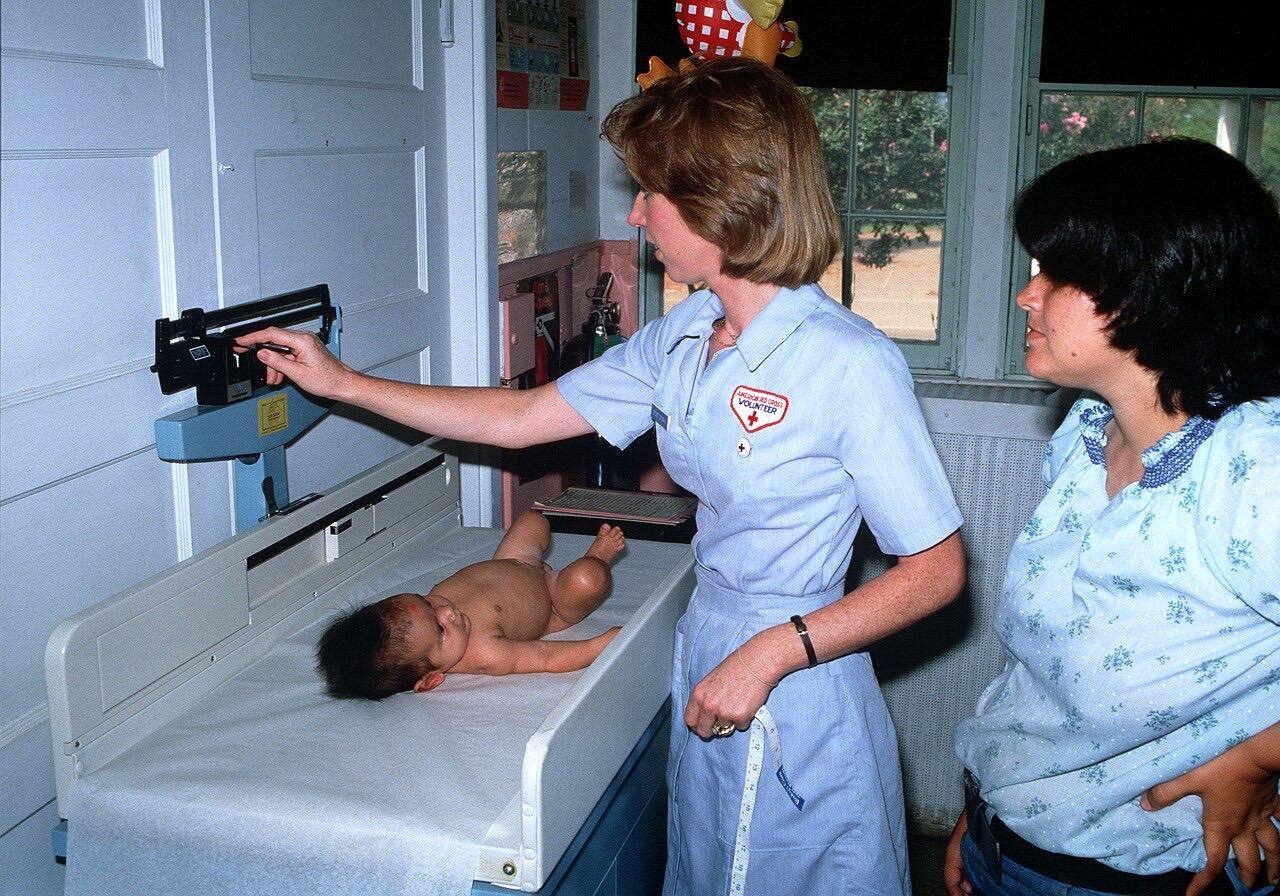
The Left's Overreach
On the left, the call for extensive government intervention in public health is often met with a fervor that can border on hysteria. While it is undeniable that the government has a role in safeguarding public health, the tendency among some progressive factions to advocate for sweeping regulations can lead to unintended consequences. For instance, proposals for strict regulations and heavy taxation on tobacco and alcohol are often presented without adequate consideration for personal freedoms and economic realities. This zeal can alienate moderate voices who may support public health initiatives but resist authoritarian measures.
"In their quest for utopia, the left often forgets the importance of individual choice."
Moreover, the left has sometimes promoted anxiety around health issues to garner support for their initiatives. While raising awareness about diseases is vital, sensationalism can create panic rather than informed action. The focus should be on education and the dissemination of reliable information rather than fostering fear. This approach could not only produce more constructive dialogue but also encourage individuals to take personal responsibility for their health.
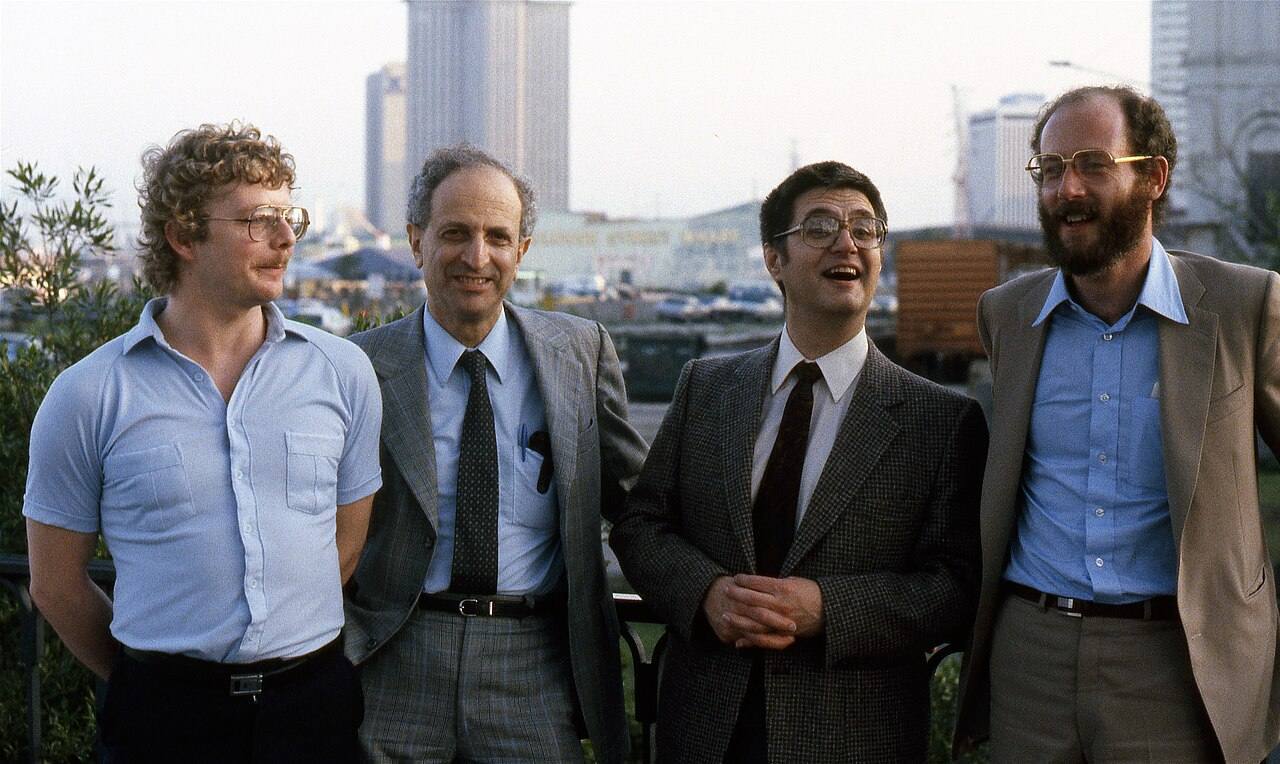
The Right's Neglect
Conversely, the right often exhibits a troubling tendency to downplay the severity of health crises. In the name of free-market principles, some conservative lawmakers resist proposed measures that could help mitigate the impact of epidemics, arguing that government intervention stifles innovation and personal liberties. However, this ideological stance can be detrimental to public health. The refusal to acknowledge problems like the rising rates of infectious diseases can lead to a lack of preparedness and a failure to allocate resources where they are most needed.
"In the pursuit of profit, the right often forgets that health is a community concern."
Furthermore, prioritizing economic interests over health can result in tragic consequences. The recent outbreaks of diseases that were once thought to be under control serve as a stark reminder that the health of the public cannot be compromised for the sake of profit margins. By neglecting the responsibilities that come with free-market ideologies, the right risks endangering not just vulnerable populations, but society as a whole.
The Middle Ground
A balanced approach is essential to effective epidemic response. Both sides must recognize that public health is not merely a political issue, but a human one. Collaboration between the private sector and government agencies can yield innovative solutions that respect individual rights while ensuring community welfare. For instance, partnerships in vaccine development and distribution between pharmaceutical companies and government institutions could effectively address public health concerns without sacrificing innovation.
Moreover, public education campaigns that promote healthy behaviors and preventive measures should be a bipartisan effort. Such initiatives can empower individuals to make informed choices while also alleviating the burden on healthcare systems. By focusing on education rather than regulation, both sides can contribute to a healthier society.
Conclusion
As we move forward, it is imperative that political leaders from both sides of the aisle recognize the urgency of addressing public health crises. Excesses in ideology can lead to inertia, but a commitment to collaborative, evidence-based solutions can pave the way for a healthier nation. The stakes are too high for partisan bickering; it is time to prioritize the well-being of the American people above all else.
✦ ✦ ✦