From the file. Written for the paper dated June 1981. Opened in the public stacks July 14, 2026.
As the summer of 1981 unfolds, the political landscape in Washington is marked by the tension of ideological extremes, with both the left and right engaging in a tug-of-war that affects not only domestic policies but our nation's standing in the global arena. Recent diplomatic cables reveal the complexities of this situation, as incentives are offered on both sides of the aisle.
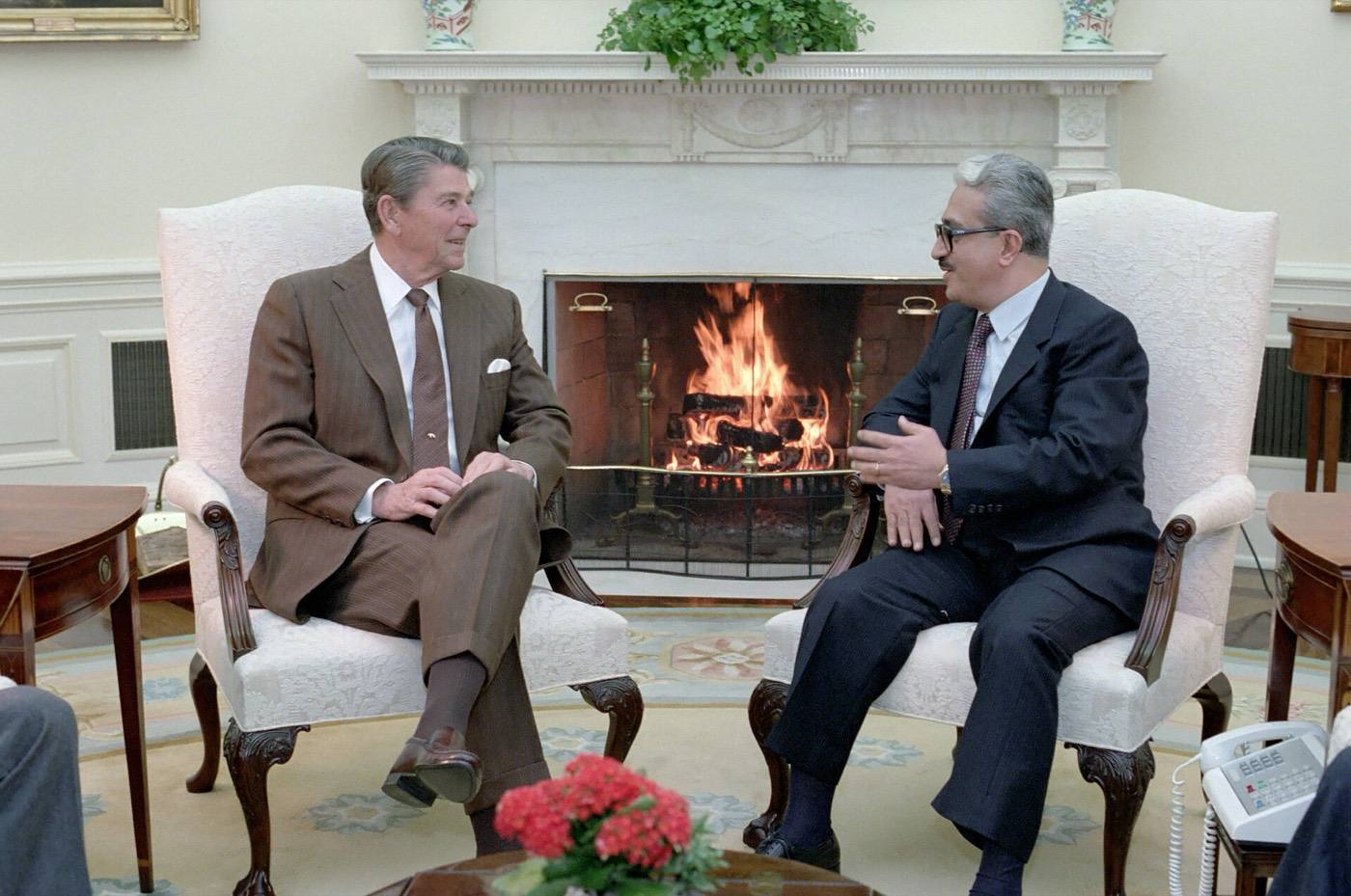
The Left's Approach: Idealism at a Cost
The left, championing a vision of international cooperation, has increasingly pushed for a foreign policy based on diplomatic engagement rather than military intervention. The call for humanitarian aid and support for developing nations resonates deeply with a large segment of the American populace. Yet, as noble as these intentions may be, they often overlook the practicalities that accompany such policies. The cables indicate that while the desire for peace is sincere, the lack of concrete strategies has left many diplomatic initiatives floundering.
"If we do not act with clarity and purpose, our ideals risk becoming mere platitudes." - A diplomatic cable from the State Department.
One cannot ignore the implications of these ideals in a world where adversarial powers like the Soviet Union continue to expand their influence. The left's reluctance to acknowledge the need for a robust defense strategy may inadvertently embolden authoritarian regimes, undermining the very humanitarian principles it seeks to uphold. In this delicate balance, the left must grapple with the reality that idealism, without a solid foundation, can lead to disillusionment both domestically and abroad.
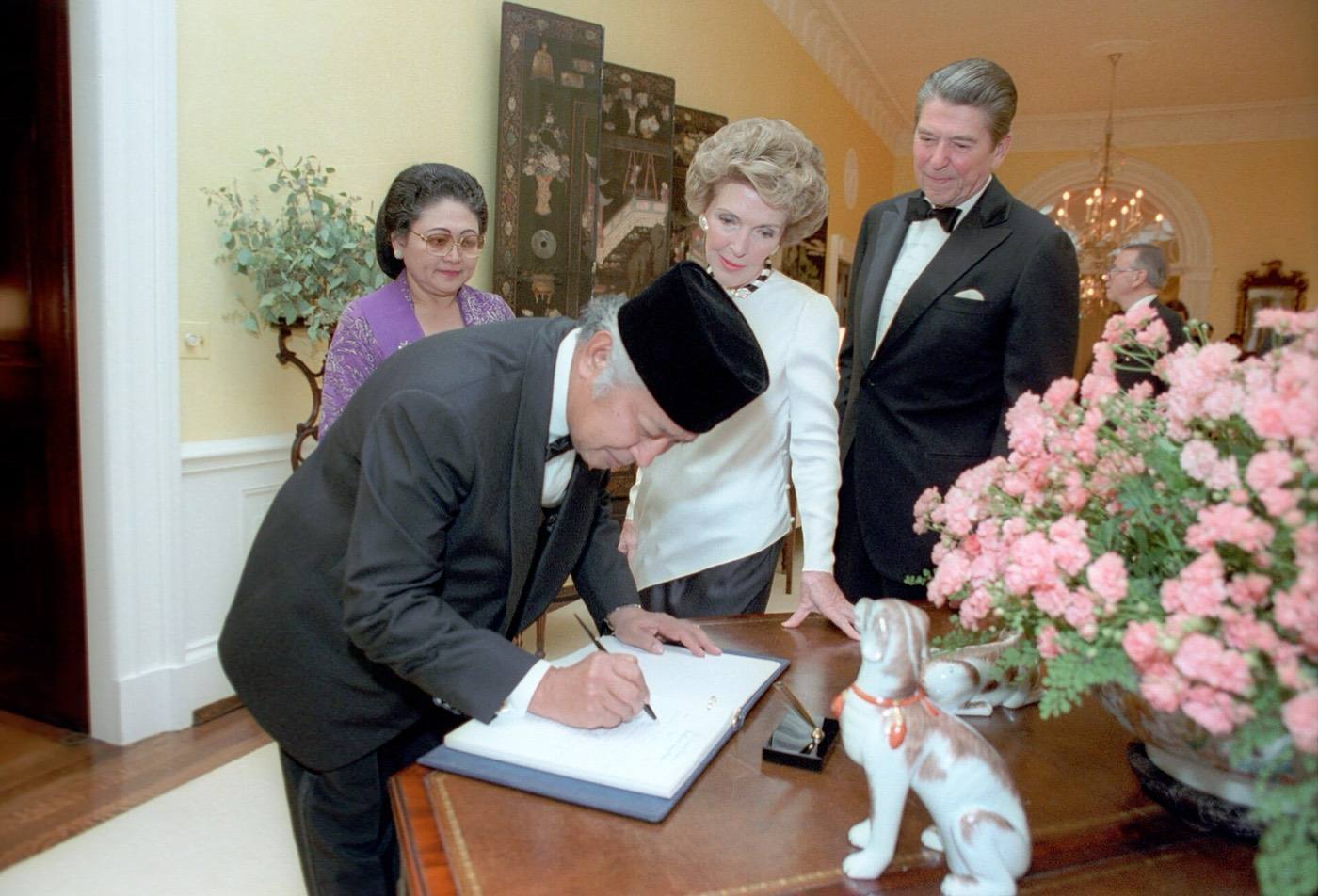
The Right's Reaction: Militarism and Fear
On the other end of the spectrum, the right has embraced a more hawkish stance, advocating for increased military funding and a hardline approach to foreign policy. The recent diplomatic cables suggest that this militarization is not just a response to perceived threats but also a reflection of an underlying fear that America is losing its place as a global leader. This sentiment has given rise to a series of aggressive policies that prioritize military solutions over diplomacy.
"Peace through strength" has become a rallying cry, but at what cost to our diplomatic relationships?
While a strong military is undoubtedly essential for national security, the right's inclination toward escalated military spending raises concerns about the long-term implications for international relations. An overreliance on military might may alienate potential allies and jeopardize ongoing negotiations that could lead to peaceful resolutions. The cables suggest that the current administration's approach risks creating an environment where dialogue takes a backseat to confrontation.
The Middle Ground: A Call for Balance
Amidst the excesses of both sides, a call for a more balanced approach to foreign policy emerges. The diplomatic cables reveal the necessity for dialogue that transcends partisan divides. Recognizing the strengths and weaknesses of both idealism and militarism can pave the way for a more pragmatic policy framework. For instance, a combination of humanitarian aid and strategic defense investments could foster goodwill while ensuring the nation's security.
As we navigate the complexities of the current geopolitical landscape, it is imperative that both sides of the aisle reevaluate their strategies. The diplomatic cables serve as a reminder that the challenges we face are not merely political but are deeply intertwined with our values as a nation. A commitment to diplomacy, tempered with a realistic understanding of global dynamics, must take precedence over partisan agendas.
Conclusion: Bridging the Divide
In this era of heightened ideological division, the American public deserves a government that is willing to engage in thoughtful discourse rather than resorting to extremes. The incentives outlined in recent diplomatic cables underscore the imperative for collaboration, as both sides must recognize that the stakes are too high for partisan bickering. A commitment to responsible diplomacy could not only restore America's standing in the world but also serve as a testament to our capacity for unity and progress.
✦ ✦ ✦